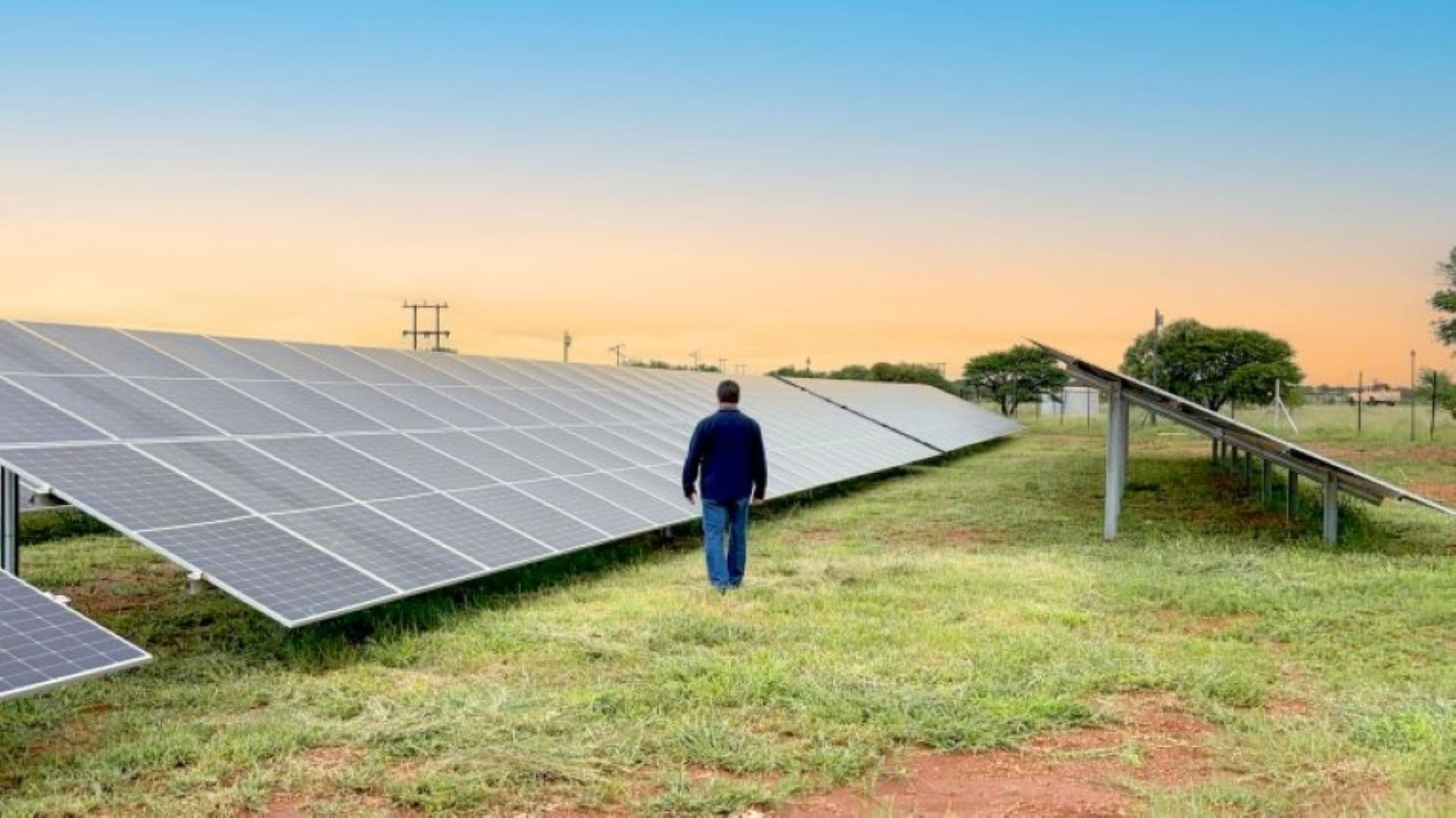
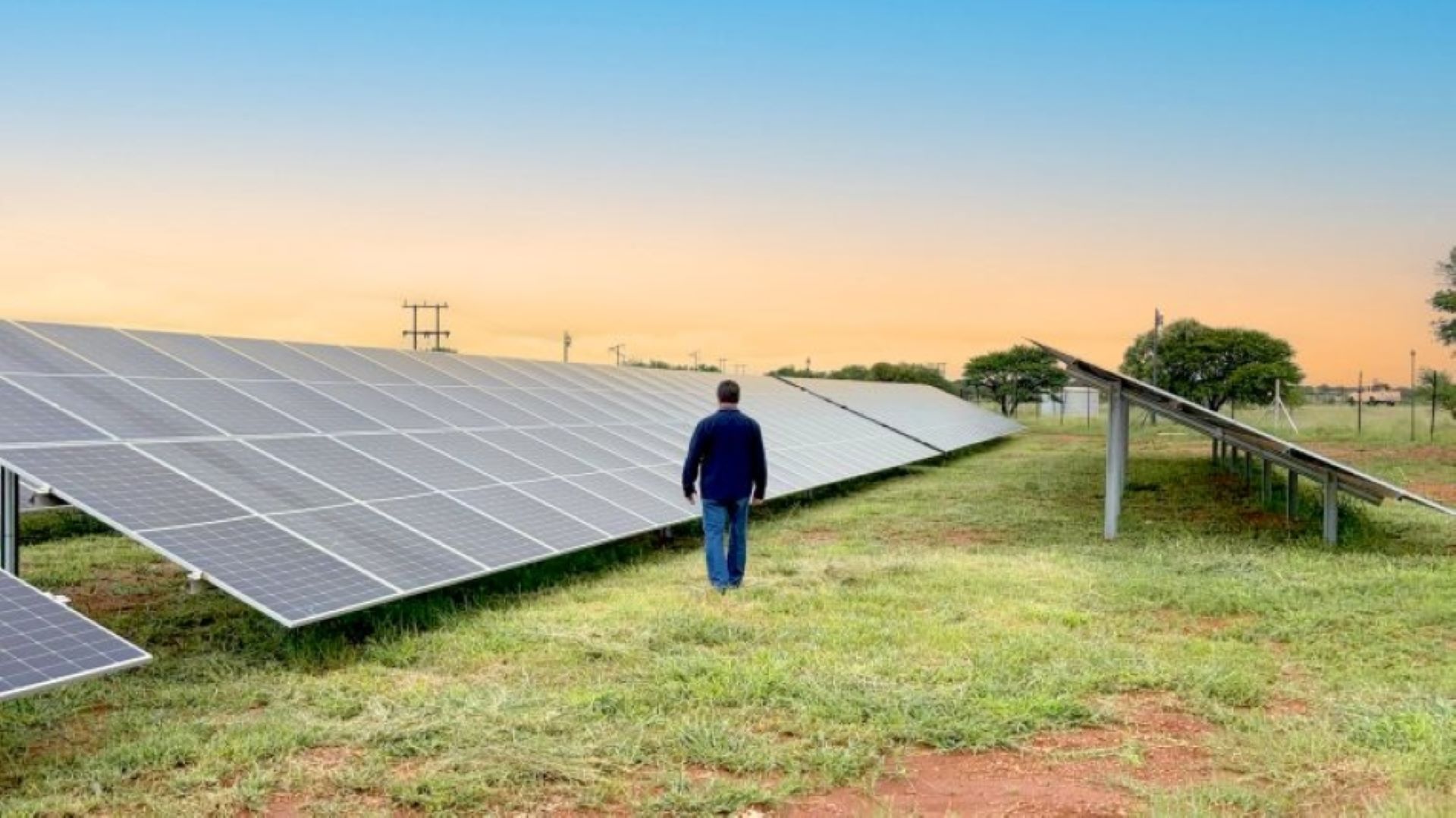
The Development Bank of Southern Africa (DBSA) has confirmed a R100 million equity investment in Zero Carbon Charge (CHARGE), the pioneering company behind the country’s first nationwide network of off-grid, solar-powered ultra-fast charging stations.
This development promises not only to support electric vehicle (EV) owners but also to reshape the role of the auto repair and service industry in the years ahead.
Following its initial approval earlier this year, the DBSA finalised agreements after extensive due diligence, ensuring the project’s readiness for immediate rollout. With construction of the next charging sites along the N3 between Johannesburg and Durban now set to begin, CHARGE is positioning itself as a key partner in the EV ecosystem.
Spiwe Sibanda of the DBSA said, “At the DBSA, we are committed to backing catalytic projects that stimulate both economic growth and societal benefit. CHARGE’s off-grid charging model is a future-proof solution that supports the expansion of South Africa’s electric vehicle market while strengthening consumer trust in green energy and mobility.”
For the auto repair industry, the expansion of EV infrastructure is significant. Independent workshops, service providers and dealerships will have to adapt to the growing presence of EVs on local roads. A reliable charging network reduces consumer hesitation, which in turn increases demand for EV-specific maintenance and repair expertise.
The financial closure was supported by Absa’s Corporate and Investment Banking Division, which advised CHARGE over two years. The Head of Advisory at Absa CIB said, “Absa believes in the future of sustainability, and CHARGE embodies this vision. Its model aligns with our values and South Africa’s long-term economic prospects, which is why we are proud to have supported this landmark transaction.”
CHARGE co-founder Joubert Roux reflected on the achievement: “Our first station was built as a self-funded proof of concept to showcase our dream to all, and today, this investment validates our business model as the future of South Africa’s green transport infrastructure.”
As EV uptake grows, repair and service industries must prepare for an era in which skills, tools and diagnostics evolve in line with renewable transport.