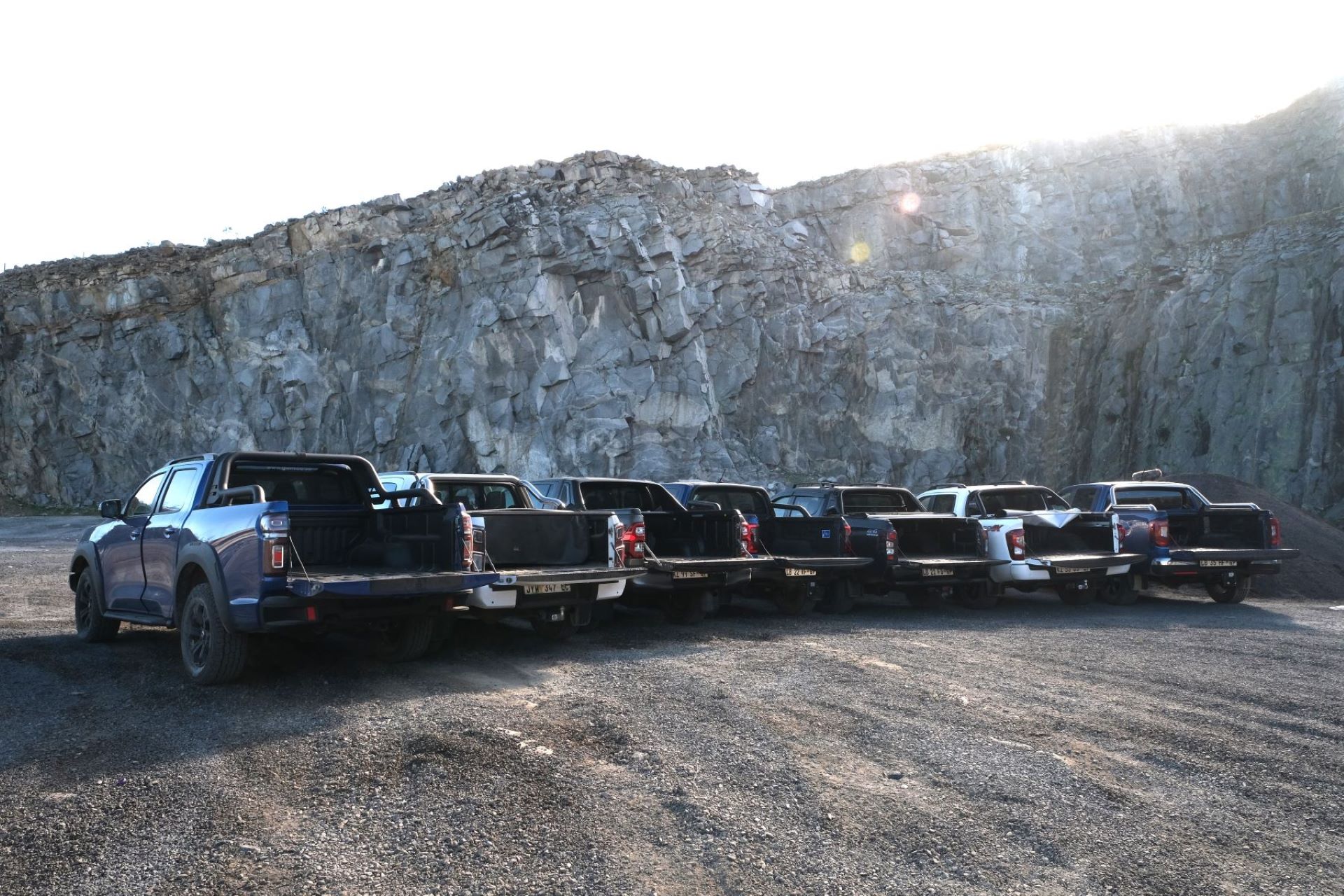
The South African auto repair industry is experiencing a major adjustment as consumer preferences shift away from German sedans and towards double-cab bakkies.
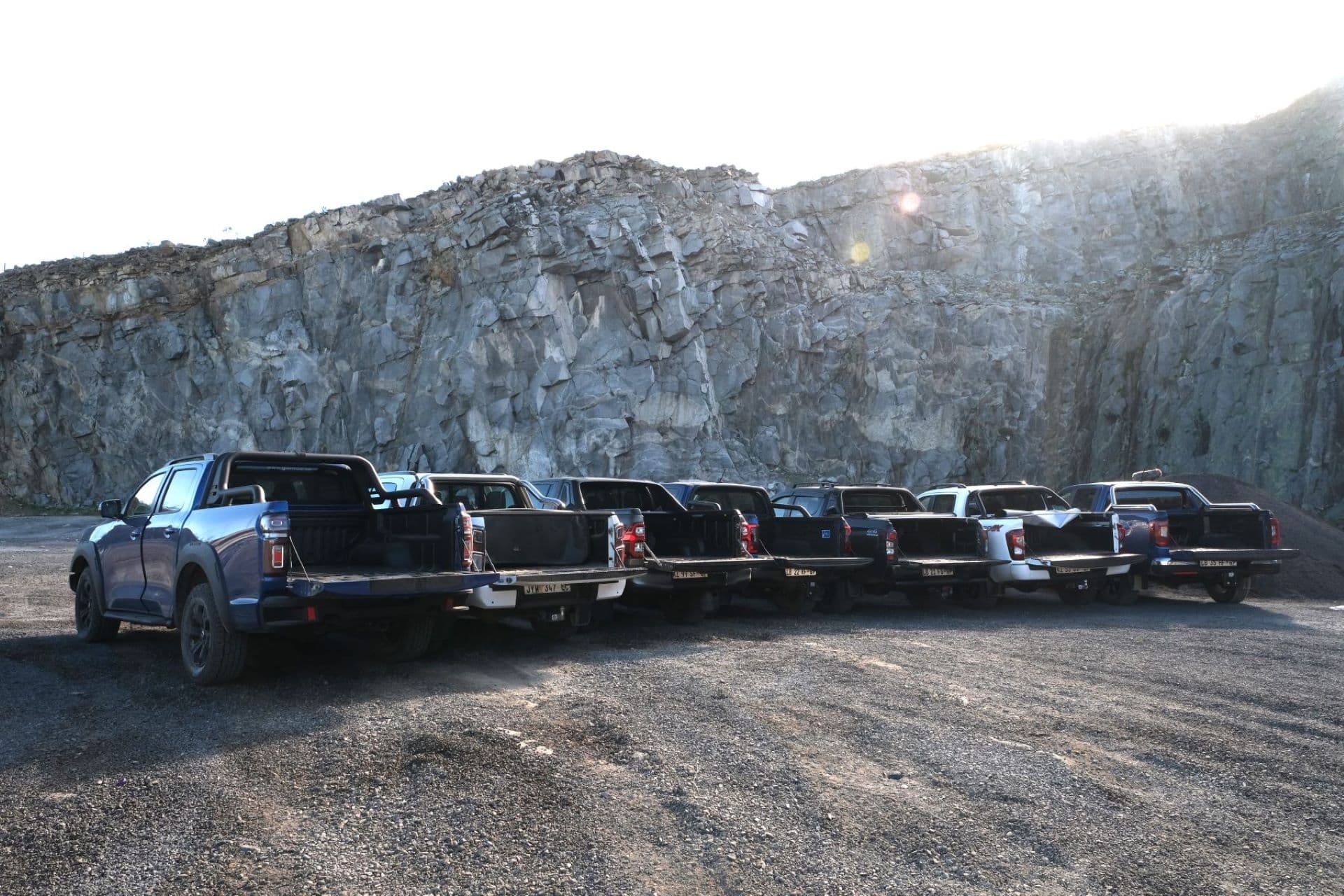
According to the Cars.co.za Industry Report 2025, the once-dominant luxury sedans such as the Audi A4, BMW 3 Series and Mercedes-Benz C-Class are rapidly losing ground to locally produced models like the Toyota Hilux, Ford Ranger and Isuzu D-Max.
“Our data shows a dramatic shift away from German sedans, such as the Audi A4, BMW 3 Series and Mercedes-Benz C-Class, which dominated the South African luxury vehicle market less than a decade ago, in favour of flagship bakkies,” says Alan Quinn, Executive: Product and Partnerships at Cars.co.za.
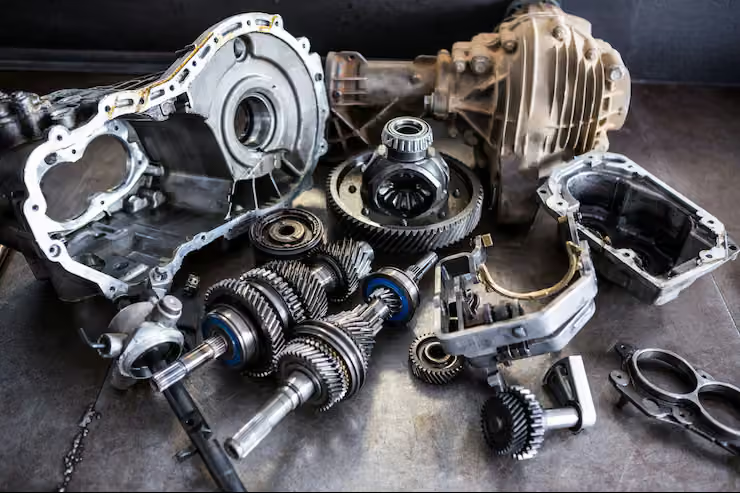
For workshops, this change means adapting their service offering. Repairs and maintenance for bakkies differ from those of luxury sedans. With demand for double cabs growing by more than 70% since 2015, repairers are dealing with higher volumes of diesel engines, larger components and more rugged suspension systems. Automatic transmissions are also increasingly common, with 70.91% of double-cab stock now automatic compared to just 25.03% a decade ago.
This trend could requires specialised diagnostic tools and technician training. Independent workshops are investing in equipment suited for these vehicles, as well as strengthening supply chains for parts unique to popular models. Bakkies are often used for both leisure and work, meaning owners demand durability as well as quick turnaround times on repairs.
While prestige sedans have become less viable due to high prices and reduced desirability, bakkies offer versatility and strong resale values. “Interestingly, the cross-consideration charts suggest BMW 3 Series owners or buyers prefer the Ford Ranger, while those considering a Mercedes-Benz C-Class are increasingly also considering a Toyota Hilux,” Quinn adds.
For the repair industry, this translates into a steady flow of work and long-term sustainability. Bakkies may have started as workhorses, but their rise to luxury status ensures they will remain central to the automotive aftersales landscape for years to come.