Fitness trackers, smartwatches and health-monitoring apps have become a normal part of everyday life. From counting daily steps to tracking heart rate and sleep patterns, millions of people are now comfortable collecting and analysing personal health data.
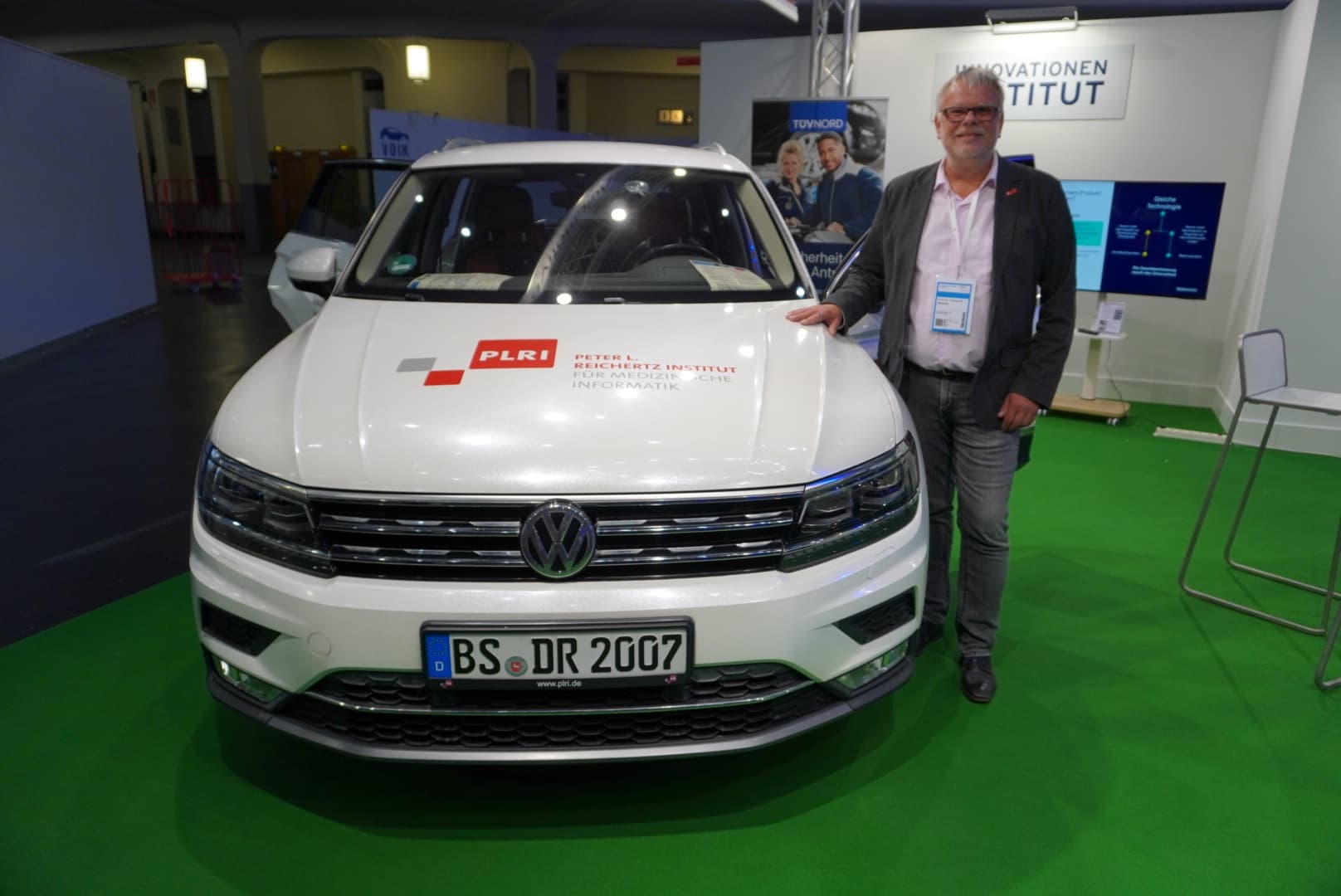
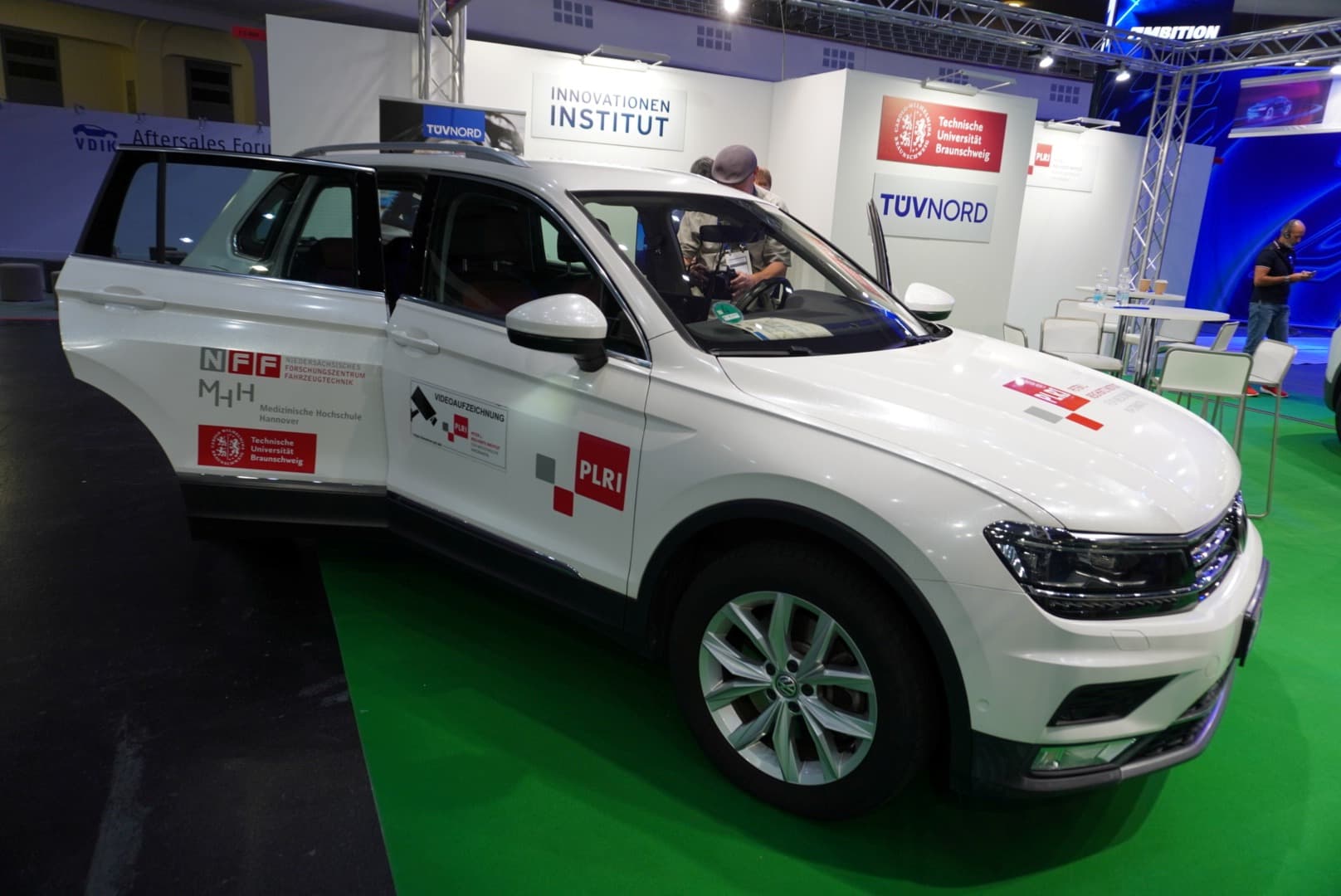
Inspired by this growing acceptance of wearable technology, researchers at the Institut für Fahrzeugtechnik (Institute for Automotive Engineering) and the Peter L. Reichertz Institute for Medical Informatics at the Technical University of Braunschweig, together with TÜV Nord, are investigating whether vehicles themselves could become advanced health-monitoring platforms.
The collaborative project was showcased at Automechanika Frankfurt, the world's largest automotive aftermarket exhibition. The research aims to explore how modern vehicle technology can be used to continuously assess a driver's health while they travel.
According to Professor Thomas Deserno of the Technical University of Braunschweig, the concept is based on a simple observation: modern vehicles are essentially powerful computers on wheels, and people spend a significant portion of their day inside them. This creates an opportunity to integrate medical monitoring systems into an environment that drivers already use regularly.
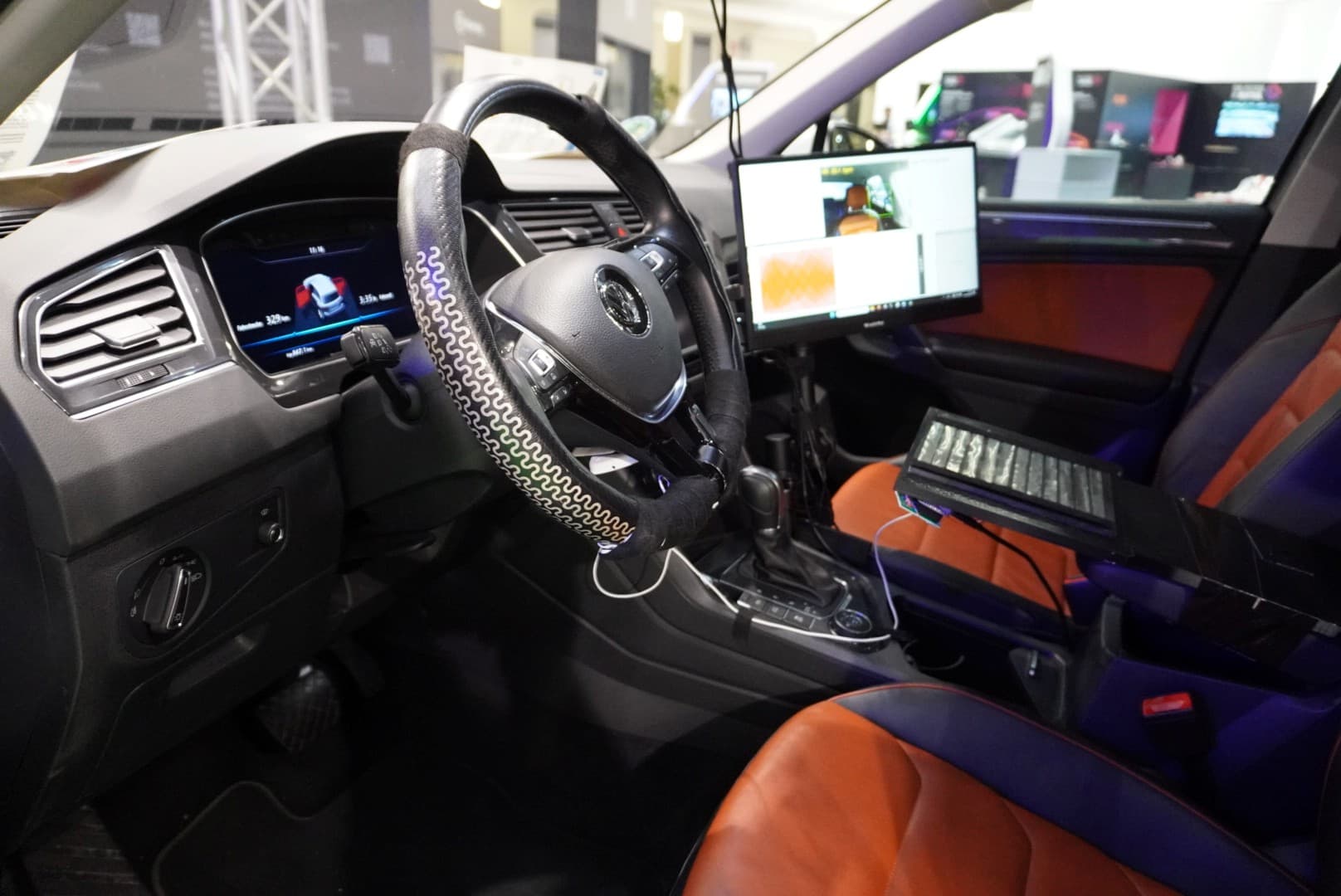
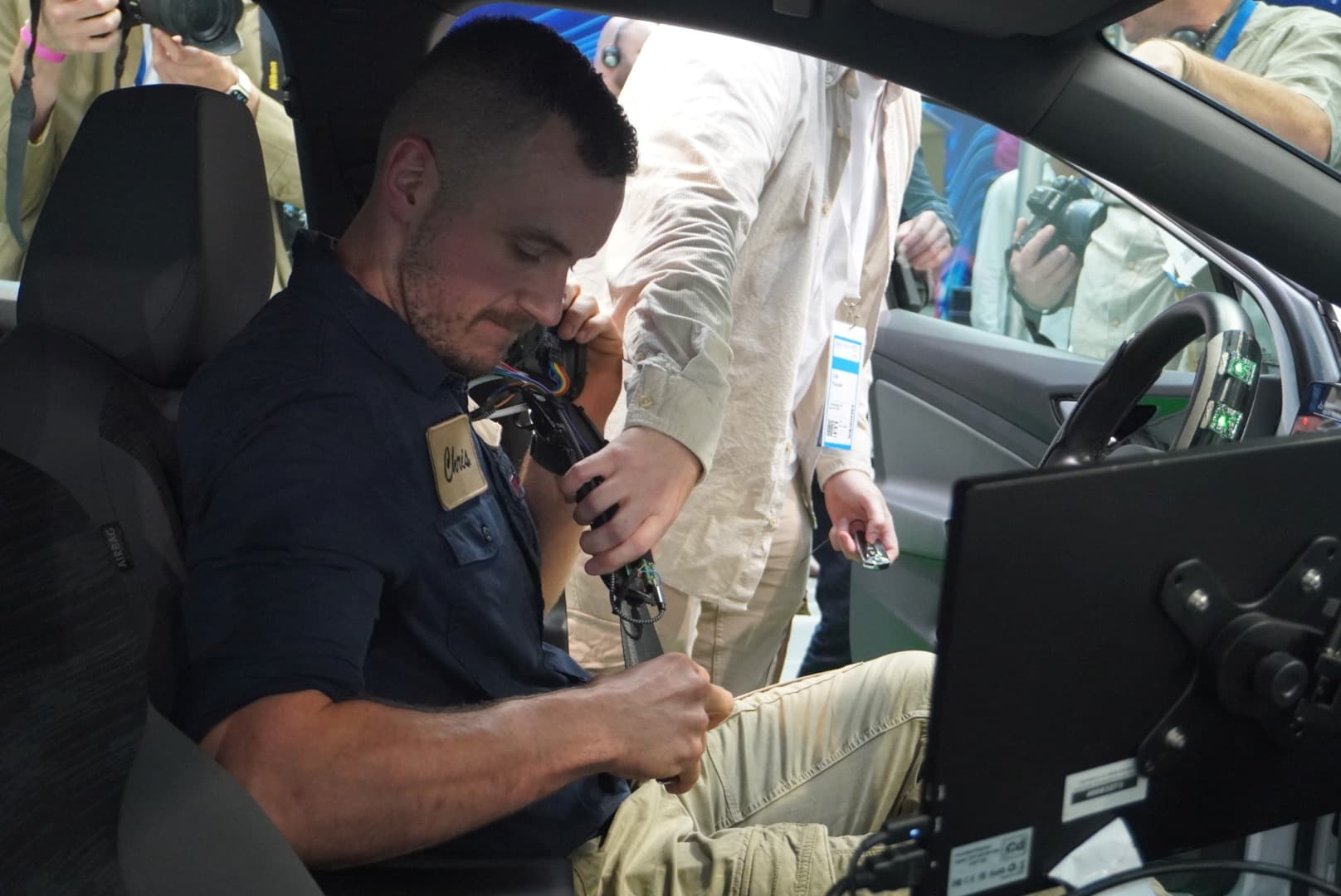
To test the concept, researchers equipped a vehicle with a variety of health-monitoring technologies. Sensors were integrated into the steering wheel to measure physiological indicators such as heart rate, while additional equipment was incorporated into a prototype seatbelt system. Cameras were also installed to monitor facial characteristics and other visual health indicators.
All of the collected data is transmitted through the vehicle's Controller Area Network (CAN) bus system, the communication backbone that links the vehicle's electronic systems. Information from the various sensors is combined and processed by a central computer capable of evaluating the driver's condition in real time.
Artificial intelligence plays a central role in the project. By analysing data from multiple sources simultaneously, the system can identify patterns and provide diagnostic insights that may indicate the early development of health conditions or potential medical emergencies.
The researchers believe the technology could offer benefits that extend far beyond convenience. Germany has set ambitious road-safety objectives, including reducing traffic fatalities significantly in the coming years. A vehicle capable of detecting warning signs associated with conditions such as heart attacks, strokes or other serious medical events could potentially help prevent accidents caused by sudden health emergencies.
Professor Deserno notes that younger individuals may be among the groups that benefit most from early detection technologies. Research suggests that younger people do not always respond promptly to warning signs associated with cardiovascular or chronic illnesses, making continuous monitoring a potentially valuable preventive tool.
The benefits for older drivers may be even greater. Future systems could be integrated with Advanced Driver Assistance Systems (ADAS) and autonomous driving technologies, enabling a vehicle to respond proactively if a medical emergency is detected. In such a scenario, the vehicle could assist the driver, initiate emergency protocols or safely take control of certain driving functions until help arrives.
While the concept remains in the research phase, it offers a glimpse into a future where vehicles serve not only as transportation tools but also as intelligent health companions, continuously monitoring wellbeing and potentially helping to save lives.