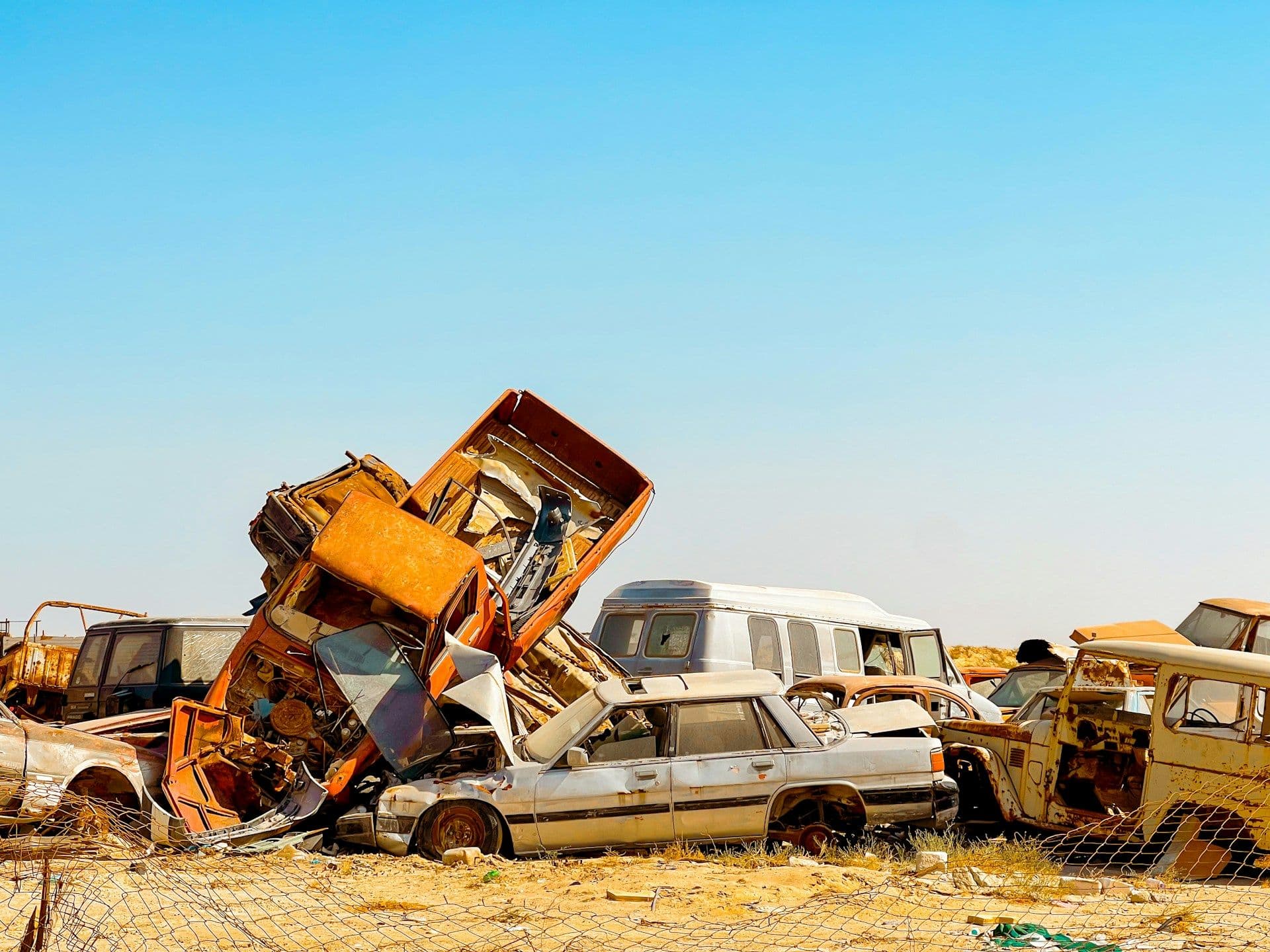
For car makers, the circular economy is shifting from a compliance obligation into a competitive capability.
The aim is straightforward: keep vehicles, components and materials in use for longer, reduce reliance on virgin resources, and offer customers lower-cost, quality-assured alternatives in the aftermarket.
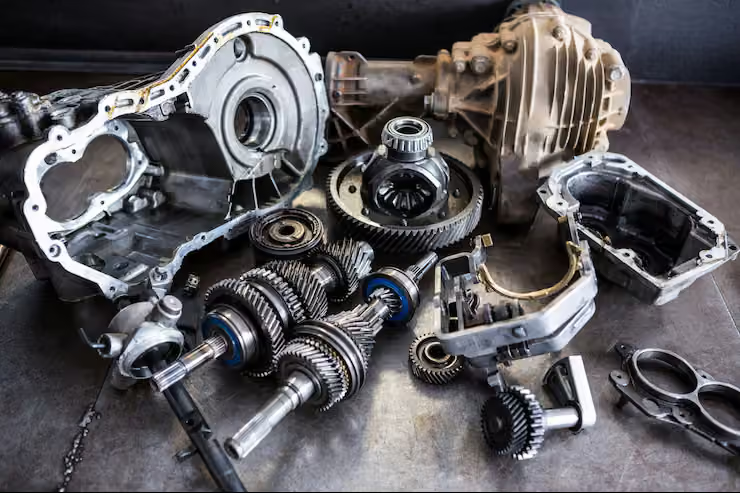
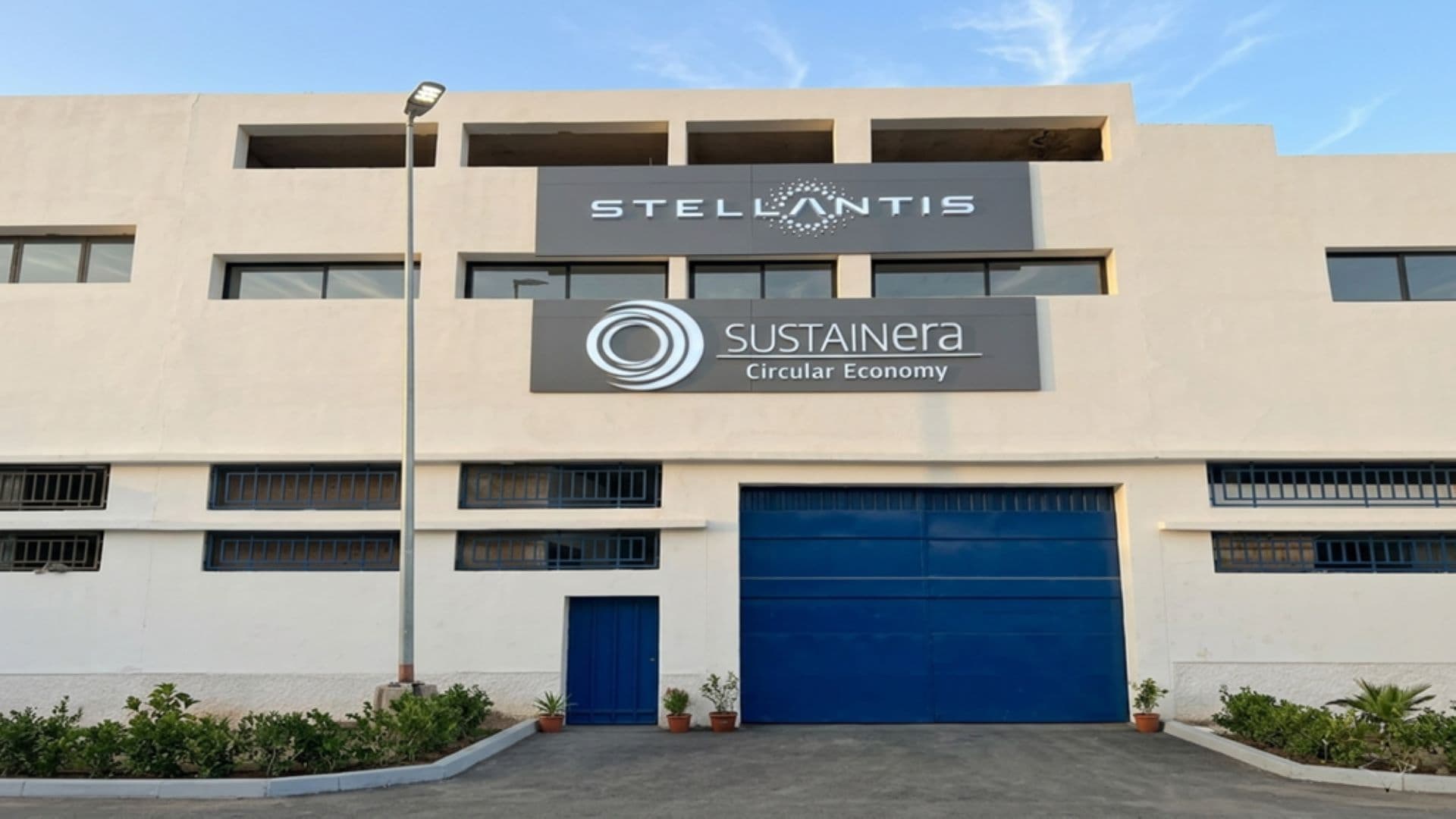
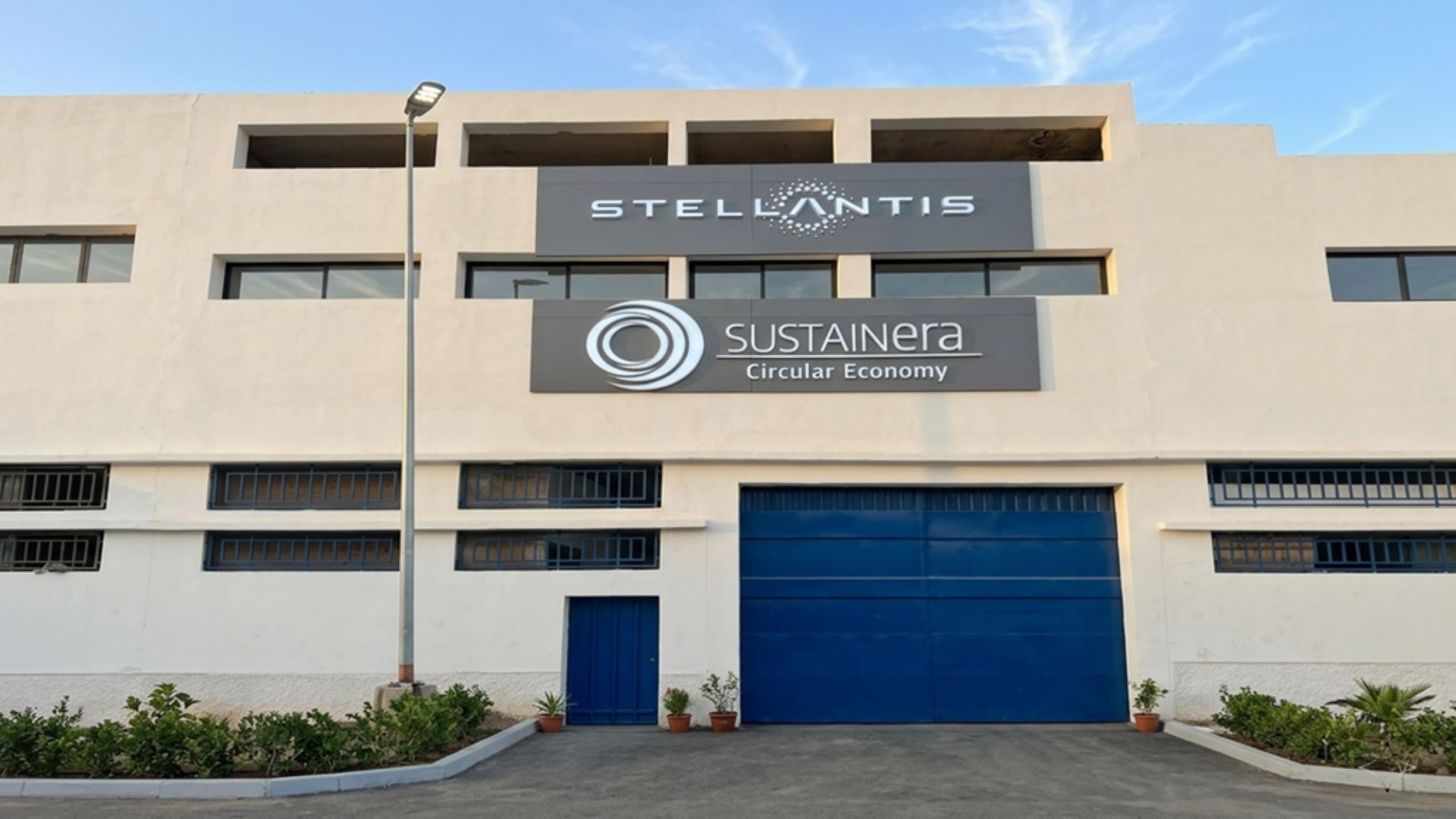
In the Middle East and Africa, Stellantis is rolling out this approach through SUSTAINera, its dedicated circular economy business. The programme industrialises the “4Rs” of remanufacturing, repair, reuse and recycling, helping extend the life of vehicles and parts while cutting waste. A key milestone is the group’s first vehicle dismantling centre in the region, opened in Casablanca, Morocco, to help build a more structured and traceable end-of-life vehicle ecosystem.
Designed as an industrial operation rather than a small-scale breaker’s yard, the Casablanca facility sources vehicles via insurance channels, auctions and regulated end-of-life routes. It dismantles cars, selects fully functional original components for resale, and collects remaining materials for recycling. Stellantis says reusable families include high-voltage traction batteries, and that parts are distributed through its aftersales network, partner repairers and logistics hubs, as well as digital platforms. At full capacity, the site is intended to dismantle up to 10,000 vehicles a year and support around 150 direct and indirect jobs, with an investment of about €1.6 million.
Across the industry, the direction of travel is similar, but the emphasis differs. Renault has made circularity a site-level strategy through its Flins “Refactory”, combining vehicle refurbishment, parts remanufacturing and end-of-life processing in one ecosystem. BMW on the other hand focuses strongly upstream, embedding “design for circularity” and a “secondary first” approach that aims to increase recycled content while making future vehicles easier to dismantle and recycle.
Volkswagen Group has concentrated on batteries and critical materials, running a battery recycling pilot in Salzgitter designed for closed-loop recovery of metals such as lithium, nickel and cobalt, alongside second-life use where batteries remain fit for purpose. Th other German giant, Mercedes-Benz, has invested in its own battery recycling factory in Kuppenheim, using an integrated mechanical and hydrometallurgical process with a stated recovery rate above 96% for key battery materials.
Toyota Motor Europe is building capability around end-of-life processing through its Toyota Circular Factory concept, starting in the UK to validate parts for reuse, assess components like batteries for remanufacture, and recover metals and plastics for recycling.