Bodyshop News Africa recently attempted to gauge the state of the collisionrepair industry in South Africa as we approach the end of 2024.We did this over the course of three separate interviews with different stakeholders in the industry.
- It seems there have been several key changes in crucial positions in the organisation and one cannot be blamed for being uncertain as to who is where now. Can you shed some light on this? In other words, who is running the show now at SAMBRA, and why were these changes made?
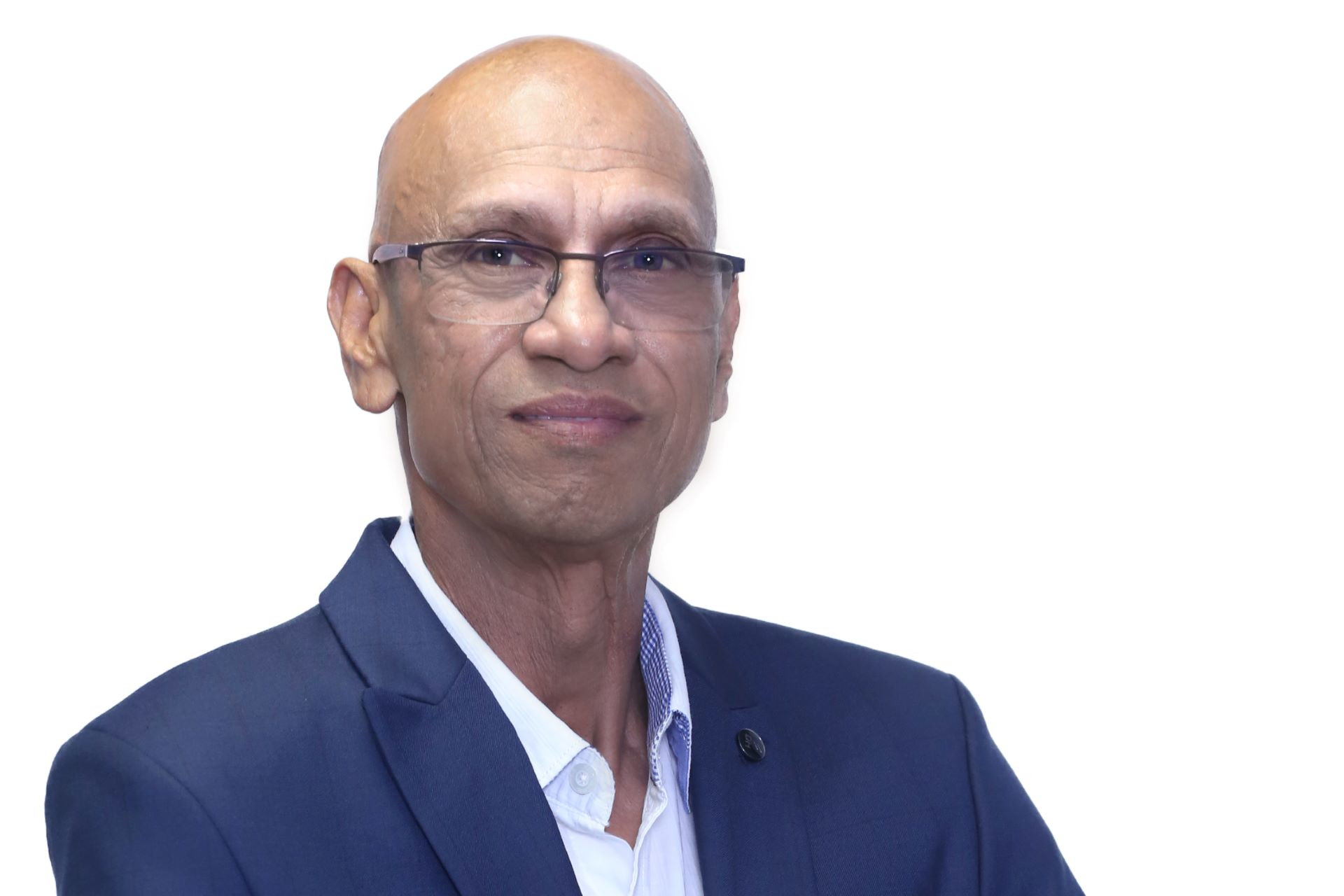
SAMBRA is in a strong position. There have been some changes but those were individuals who chose to resign as office bearers of RMI and SAMBRA. We now have a newly elected National Executive Committee under chairman, Dev Moodley, and strongly aligned Regional Committees that all share a common vision for the betterment of the industry and its stakeholders. “Members all own and manage their own MBR businesses so they fully understand what is required to nurture the sustainability and prosperity of the MBR sector of the industry,” says Moodley.
RMI, together with SAMBRA, is currently in the process of finalising the appointment of a National Director and that announcement is imminent.
- Can you maybe lift the veil on what is in store for SAMBRA in the remaining three months of 2024? And are there any exciting plans, projects for 2025?
The new NEC has a keen focus on adding value for our members. “We appreciate that business is challenging for many of our members so we have specifically focused on finding tools and services that will create a more enabling environment for our members. We really are going back to basics, placing members at the centre of everything we do. We particularly appreciate the importance of more frequent communication with members to illicit feedback and find solutions to on-the-ground challenges,” says Moodley.
Member focus
Moodley says challenging economic times definitely impact our smaller businesses, and we are also looking at ways in which we can best support them. The launch of the SAMBRA Toolbox this year is setting new standards for the autobody repair sector. “In response to the constant evolution taking place, SAMBRA has launched a digital earning and support tool for its members, in the form of a digital toolbox - a toolbox designed for better trading and adding value to its members’ customers. “Access to business process resources and information is key to the future sustainability and success of our member businesses,” notes Moodley. The toolbox is a culmination of industry best practices, expert insights and practical tools aimed at helping members streamline operations, enhance service quality, improve customer care and the achievement of business excellence.
Rather than being prescriptive, it has been designed as a reference guide for developing a member’s own specific standard operation procedures or operations manual. Soft launches have already been held around the country and the national launch will take place later in October.
Industry focus
SAMBRA has also commenced engagement with OEMs, insurers and other industry stakeholders, addressing the concerns of members while reinforcing a positive platform for dialogue with its business partners. “SAMBRA, OEMs and insurers are cooperating to allow for industry progression, better operational understanding and improved cost efficiencies,” says Moodley.
Consumer focus
The safety of motorists remains our number one priority, and a lack of access to the complete history of a vehicle from Cradle to Grave is hindering efforts by industry players to establish transparency and disclosure in the market and open the doors to a safer mobility solution that meets the needs of all stakeholders and builds confidence within the greater automotive value chain. For years, SAMBRA has been lobbying for an open and transparent Vehicle Salvage Database (VSD) to be made available to not only the public, but to all stakeholders, including dealers, banks and insurers. “We are concerned that efforts to resolve the problem are only focusing on one element of the value chain. Efforts should be focused closer to the source so informed decisions can be made and a full life history of a vehicle can be checked,” says Moodley. He says adding legislation to define and legislate the Code status of vehicles, which can then be uploaded and housed on the existing electronic national traffic information system (eNaTIS), is potentially the only way to manage the historical record of a vehicle and open up this information to the entire car parc and not just the 30% insured segment of the vehicle population. Consumers will be the biggest beneficiaries of the proposed approach that is relatively easy and cost effective to implement.
“The infrastructure is already there, we just need to legislate the codes.”
Moodley says this will mean South Africans will finally have access to vehicles with the appropriate history allowing transparent asset and kilometre validation. From a trade perspective, it opens up the opportunity for insurance companies and banks to expand their offering to include “approved” code 3 vehicles that have been safely repaired. Further along the value chain, it also positively impacts repairers, vehicle testers, parts suppliers and vehicle maintenance workshops.
Over the next couple of months, it is envisaged that SAMBRA, together with the RMI and its associations, will be driving more robust conversation around this approach with all relevant stakeholders.
- There are currently three major collision repair associations in the country, SAMBRA, CRA and HALO. What is the relationship between these three like? Is there room for improving relationships? Any common goals that are being cooperated on?
At present there are two groups of motor body employer organisations serving the sector, namely SAMBRA as an association of the RMI and then CRA which stands independently. We believe Halo is busy establishing itself as a non-profit organisation. The relationship between SAMBRA and CRA is one of mutual respect and we both have agreed to collaborate on industry concerns as more can be achieved through cohesive alignment strategies. At the end of the day, the bottom line is that we all need to work in the best interests of the businesses we represent and the consumer, and that is what the RMI remains committed to. Positive goals can be achieved through the cohesive alignment of their strategies.
- How would you describe the current state of the collision repair industry, especially considering recent technological advancements and challenges posed by the economy?
We are in a dynamic ever-evolving environment. The new Asian Luxury car segment has drastically turned the market around. To keep pace, the repairer segment must align its goals to ensure comprehensive staff training. “Developing various repair segments not only facilitates the natural progression of the youth but also attracts them to our industry,” says Moodley. Like the entire automotive sector, the motor body repair sector is also facing a critical shortage of skills. We not only need to attract new talent to the sector, but we need to ensure the necessary mentorship takes place. Without skills transfer, we could ultimately see our sector declining. “Utilising SETA training grants and any mechanisms available is essential to stay current with global technology trends and to professionalise the industry.
- With the rise of electric vehicles (EVs), autonomous driving technology and advanced driver-assistance systems (ADAS), how is the collision repair industry adapting to repair these highly complex vehicles?
There are two main areas of concern in this sector. Firstly, the E-Car platform needs to be expanded to a larger number of repairers, as the current footprint is too small. We don’t believe training from the OEM sector alone should be viewed as the sole solution. Appointing willing technicians who are encouraged to embrace industry changes is crucial.
This can be achieved through SETAS and planned staff training.
“Furthermore, OEMs and paint suppliers may be of assistance to equip training centres with equipment and knowledge to meet the required certifications. We are passionate about developing new talent, and investing in skills development is essential.”
Finally, all ADAS should calibrate at dealerships to ensure compliance with OEM specifications.
- Many industries are facing a shortage of skilled labour. Is the collision repair industry experiencing a similar issue, and what strategies are being implemented to address this?
As mentioned above, the entire automotive industry is facing a critical skills shortage and this is not a South African problem alone. At the recent Automechanika in Germany it was highlighted as a global problem.
Training is essential for the future of the motor industry, and investment by its stakeholders is of paramount importance if we are to attract youth to our industry to ensure a sustainable workforce. We believe SAMBRA should collaborate closely with technical schools and TVET Colleges and merSETA to specify projects to identify the skills needs. Through the RMI, we are also currently involved in a number of projects with the Chamber of Crafts Erfurt, also more popularly known as Handwerkskammer Erfurt (HWK Erfurt ) to successfully drive vocational training in the automotive aftermarket by upskilling lecturers at TVET Colleges.
VDQ Qualification
Motor body repairer estimators and Insurance companies’ vehicle assessors play a crucial role in the daily lives of South Africans. They bridge the gap in the event of an accident between the insurer and the motor body repairer to quantify damage to or loss of a vehicle.
There are currently more than 4 000 short-term insurance assessors and estimators in the country. Up until now, they operated without any formal occupational specific qualification and this was the reason for the initial drive to establish a formal VDQ (Vehicle Damage Quantifier) qualification, which is endorsed by both the insurance and the motor body repairer (MBR) sector (Occupational Certificate: Vehicle Damage Quantifier: SAQA ID 99507).
SAMBRA has been integrally involved in the Manufacturing, Engineering and Related Services Sector Education and Training Authority (merSETA), in the curriculum development and meeting, amongst others, the qualification assessment specification requirements of the Quality Council for Trades and Occupations (QCTO), the custodian of occupational qualifications in South Africa. In developing the curriculum, an international comparability study was undertaken and articulation options, both vertical and horizontal, have been provided for learners after completion of the qualification.
The VDQ is an approved occupational qualification registered on the country’s national qualifications framework (NQF level 5). Several subject matter experts have subsequently been engaged and worked tirelessly to ensure that assessment tools meet the requirements of the QCTO, including the Recognition of Prior Learning (RPL) assessment toolkit and External Integrated Summative Assessment (EISA).
“This is an exciting qualification for current estimators and assessors to acquire as it will improve professionalism in dealing with the client. The qualification can be obtained by young entrants into the industry through the conventional method of attending the programme at a VDQ-accredited skills development provider (SDP). The second option to obtain this qualification is by way of the VDQ RPL process. A potential candidate needs to enrol at an accredited VDQ SDP or at an accredited occupational assessment centre. Within the specified RPL process, a toolkit is applied to identify possible knowledge and practical skills gaps. These gaps are closed to ensure successful completion of the EISA whereafter certification is done by the QCTO,” says Moodley.
To date, 24 VDQ learners have completed their qualification as well as 3 VDQ RPL candidates. The 24 learners are now eligible to sit for the VDQ EISA.
- Supply chain disruptions have impacted many industries post-pandemic. How are collision repair shops managing parts shortages, and what long-term solutions are being considered?
The collision repair sector faces significant challenges, including cash flow issues, business interruptions, and service delivery delays. “Recently, we've observed a shift in client brand preferences. The Motor Body Repair (MBR) sector is increasingly being advised to repair rather than replace parts. Members must accurately determine the cost of repairs to ensure profitability and maintain workforce efficiency.”
- Collision repair shops often deal with insurance companies, which can lead to disputes over repair costs and reimbursements. How is the association working to balance the needs of repair shops with those of insurance providers?
Robust engagements are a reality of the industry. What is important, however, is how the engagement is managed.
“We have embraced issues of contention and approached industry stakeholders in an amicable manner, offering suggestions rather than making demands. To facilitate this, we need to establish Operational Forums and standardised operational protocols. We have also recommended certified estimators. We would like to hold quarterly meetings to address and resolve any challenges moving forward.”
- As environmental regulations tighten, especially around emissions and waste disposal, how is the collision repair industry responding to pressures to become more sustainable?
The industry, together with its stakeholders, needs to invest in management tools to regulate this business sector. “SAMBRA is actively involved in sourcing and manufacturing solvent-recycling machinery. This initiative is still in its early stages, and its feasibility will be investigated.”
- Larger companies and chains are increasingly dominating many industries. How are small, independent collision repair shops faring in this environment, and what support is your association providing to help them stay competitive?
SAMBRA is currently in the process of organising Cell Groups in different regions to encourage interaction among members. “We emphasise viewing each other as business partners rather than competitors, promoting the mantra ‘Together we can achieve’.
Moodley says this collaborative environment is further supported by mentoring smaller members and providing SAMBRA’s mediation, where necessary. We have also investigated and will continue to investigate ways of making business simpler and easier for our members. The SAMBRA Toolkit is one such tool that is now available to enhance their businesses. It is a dynamic toolkit and will be expanded in line with membership needs.
“SAMBRA is actively questioning the costs imposed on members by various industry sectors and will, where necessary, lobby on behalf of member businesses.”
- With vehicles becoming more technologically advanced, how important is it for collision repair technicians to be certified, and how is your association ensuring the industry’s training standards keep pace with these advancements?
In today’s rapidly evolving automotive landscape, it is crucial for technicians to be highly qualified and to undergo specific training to keep up with the ever-changing technologies. However, it’s equally important to ensure that Motor Body Repairers (MBRs) are not burdened with unnecessary costs from fulfilling excessive criteria. To facilitate this balance, forums need to be established. Currently, the two largest associations, SAMBRA and CRA, are collaborating to address these challenges and support the industry.
Standards are always beneficial for the industry. To ensure that these standards are met, several contributing factors are essential:
- Many consumers are unfamiliar with what happens behind the scenes in a collision repair. How is the industry improving transparency, and are there efforts underway to educate consumers on their rights and options?
The rights and options of consumers are protected by the Consumer Protection Act, which SAMBRA fully supports. Transparency is crucial, especially when repairs are not disclosed to the consumer. In this regard, SAMBRA has an active PR campaign to educate consumers and expose issues of concern. These articles are regularly published in mainstream media and on the SAMBRA website. SAMBRA also has a consumer help section on its website to educate consumers and explain how they can best protect their rights.
You will see on our website a primary ethos of the Association is “Striving to empower our members and facilitate a better understanding of the motor body repair industry as a whole”.
- Looking forward, what do you see as the biggest opportunities and threats facing the collision repair industry over the next year? How is the association positioning itself to lead the industry through these changes?
The biggest opportunity lies in the realisation that members should view their counterparts not as competitors, but as business partners. “It is this collaborative approach that can drive the industry forward. A significant threat, however, is the need for members to understand their role as repairers rather than replacers. Embracing a “repair vs replace” mindset is crucial for their business models.
SAMBRA plans to lead the industry through these changes by identifying both short- and long-term strategic goals through its members. These will be consolidated early in 2025 with the executive team.
- With the increasing use of digital tools like estimating software, artificial intelligence (AI) for damage assessments, and customer-facing apps, how is the collision repair industry embracing digital transformation to improve efficiency and customer experience?
Our sector is preparing itself for the change so that SAMBRA will be well positioned to advise members. The RMI is in fact currently busy with two pilot projects designed to assess business needs for vocational training in modern automotive technology, including e-mobility (electric car technology), responding to the changing needs in workplace skills in the automotive aftermarket.
- How is the collision repair industry navigating the tension between OEM requirements and the independent repair market?
We cannot speak on behalf of the whole industry but SAMBRA has introduced a number of initiatives to work more seamlessly with OEMs. These include:
SAMBRA is currently engaging with the Information Regulator to address the sharing of data in compliance with the requirements of the POPI Act.
- With more cars becoming connected through telematics, how is the industry preparing to access and utilise vehicle data for more accurate repairs, and what privacy or security concerns might arise from this development?
This is a very sensitive subject particularly the question of who will be trusted with in-vehicle data, and would this infringe the POPIA? CITA, the Worldwide Association of Authorities and Authorised companies active in the field of vehicle compliance, has done a positioning White Paper on exactly this indicating the key requirements to establish a future EU legal framework for access to in-vehicle data. We can definitely learn from other countries that have done this but Vehicle telematics records private driver behaviour, and we are not sure if this is premature in South Africa. SAMBRA and the RMI will nevertheless continue to watch developments and engage with the necessary stakeholders and tech partners.