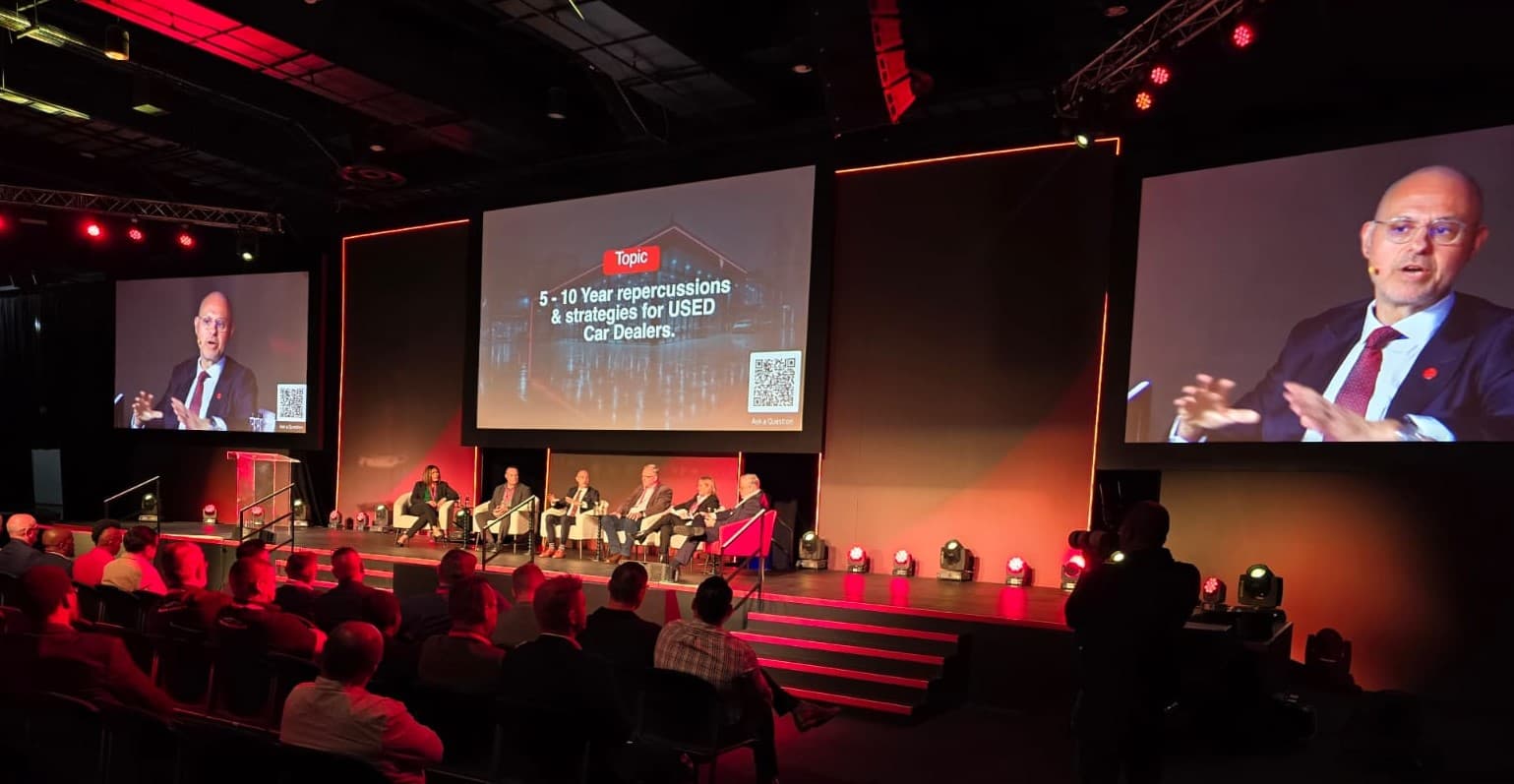
South Africa’s changing car buying landscape came under the spotlight at the inaugural DealerCon, hosted by Cars.co.za and sponsored by Absa. Bringing together motor dealers, OEMs, financiers, insurers and policymakers at the Sandton Convention Centre, the event examined how consumer behaviour, demographics and finance trends are reshaping the automotive retail industry.
Henry Botha, Executive: Strategy & Product, Absa Vehicle and Asset Finance, told delegates: “The vehicle finance landscape is evolving, driven by data, demographics and decisions. Women, mid-life buyers, and value-seekers are reshaping the market – and timing is everything.”
Botha highlighted significant changes over the past decade. “We’ve seen remarkable growth in vehicle finance activity. Applications have increased by 65%, averaging 5% growth a year. Income levels have risen by 35%, and the value of vehicles being financed has grown by 54%. The catch, however, is that affordability has deteriorated.”
A decade ago, the average monthly instalment accounted for 14.3% of a customer’s income. “Today, it’s 16.1%. That’s a significant shift. What does this tell us? It tells us that while demand is growing, consumers are stretching further. Vehicles are becoming more expensive and incomes aren’t keeping pace.”
The demand for used vehicles remains strong, but new vehicles are increasingly attractive to younger and aspirational buyers. Botha also pointed to shifts in brand preferences. “German brands remain the gold standard, especially among men and younger buyers. Chinese and Korean brands are rising fast, particularly among women and buyers aged 35 to 45. Women are open to new brands, technologies and value propositions.”
Absa’s data from 70 000 customers revealed the importance of timing. “We found that the most active period is the 30 days following the lead. There is as much activity in that single month as there was in the six months before and the six months after. Interestingly, women are more likely to apply within 30 days at 40% compared to 33% of men.”
Charl Potgieter, Managing Executive at Absa Vehicle and Asset Finance, added that younger buyers present both similarities and differences to past generations. “Like previous generations, they’re constrained by income and tend to buy vehicles that match their budget and lifestyle needs. However, they are more digitally engaged, doing extensive online research before making decisions. They remain brand conscious and tend to stick with established brands.”
Potgieter also noted that older, higher income consumers are more willing to adopt new brands, while Gen Z tends to prioritise affordability despite valuing technology and sustainability.
With close to 1 000 delegates attending, DealerCon is expected to become an annual thought-leadership platform. Cars.co.za Managing Director, Amasi Mwela, thanked Absa for its partnership, noting: “There’s been such a shift in the industry over the last 10 years… all of us have to change, adapt and move to the next frontier.”
[dflip id="3509"][/dflip]