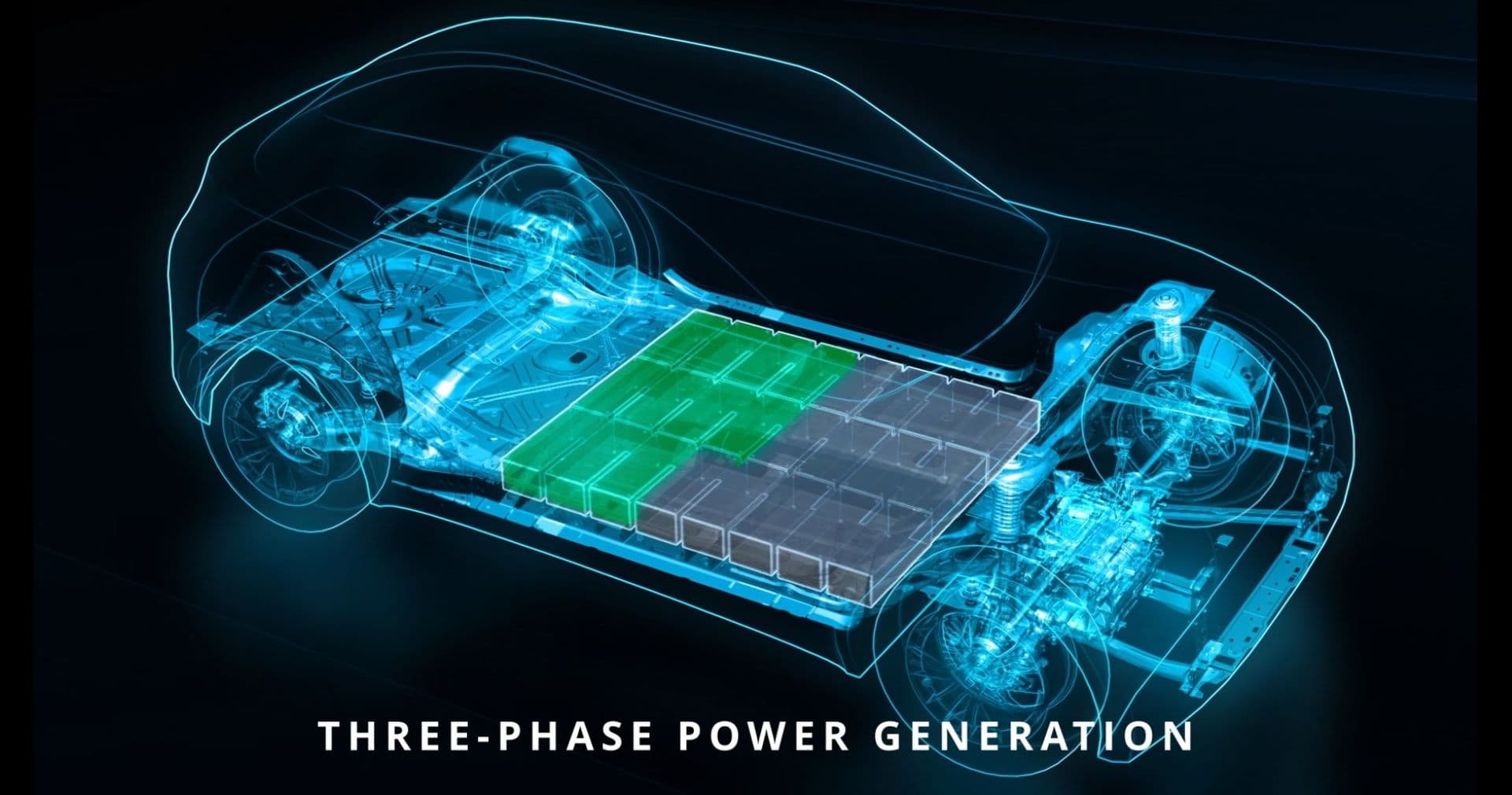
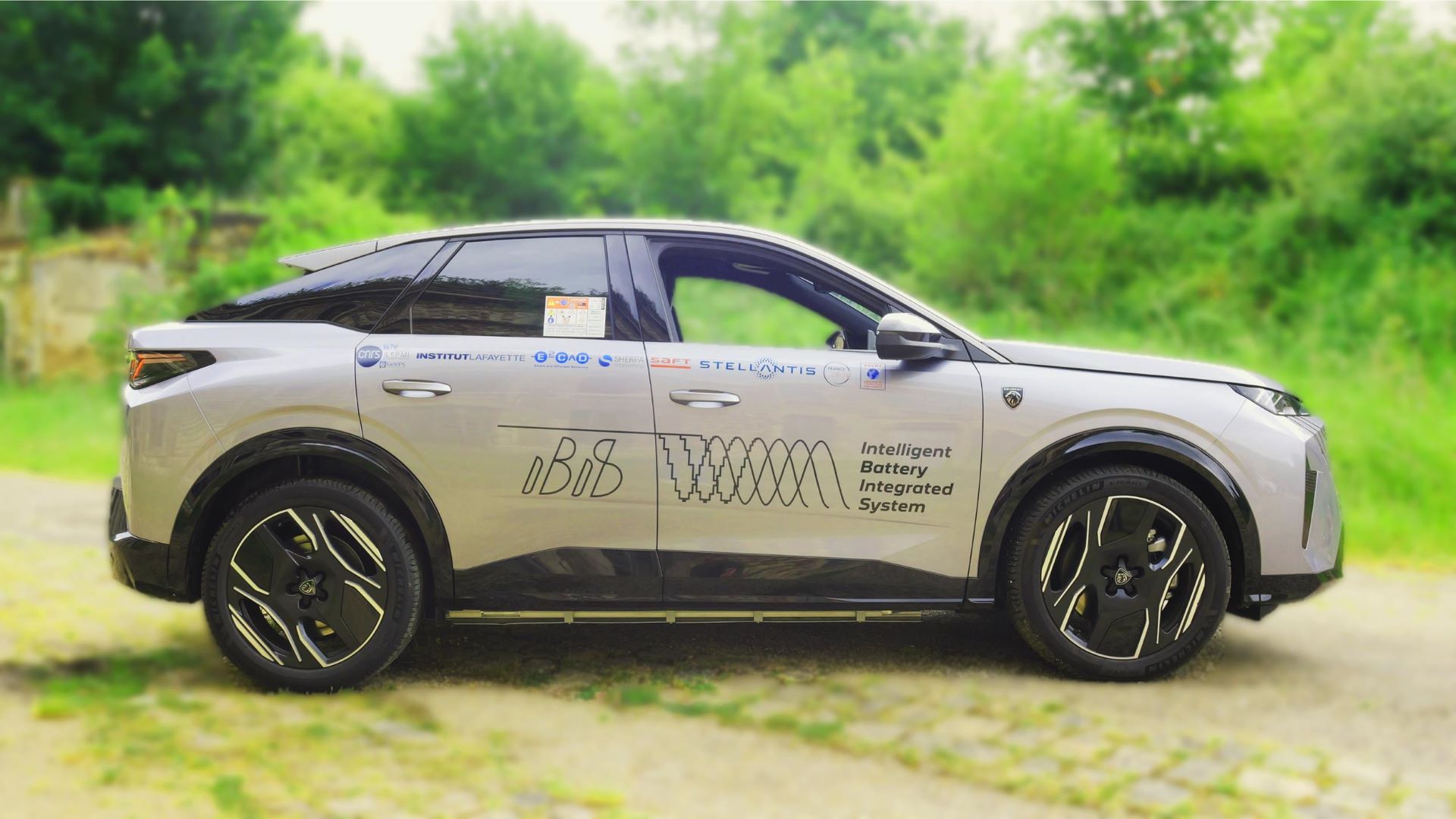
The motor repair industry faces a seismic shift as Stellantis, working with TotalEnergies subsidiary Saft, reveals their Intelligent Battery Integrated System (IBIS) technology. This revolutionary approach embeds inverter and charger functionalities directly into the battery unit, fundamentally changing how technicians will service electric vehicles.
Traditional EV repairs often require complex procedures involving separate battery, inverter, and charging components. IBIS simplifies this architecture dramatically, potentially reducing diagnostic time and parts inventory requirements for garages nationwide. The system's unified design means fewer interconnected components that can fail, translating to more straightforward fault-finding procedures.
"By rethinking and simplifying the electric powertrain architecture, we are making it lighter, more efficient and more cost-effective. These are the kinds of innovations that help us deliver better, more affordable EVs to our customers," explains Ned Curic, Chief Engineering and Technology Officer at Stellantis.
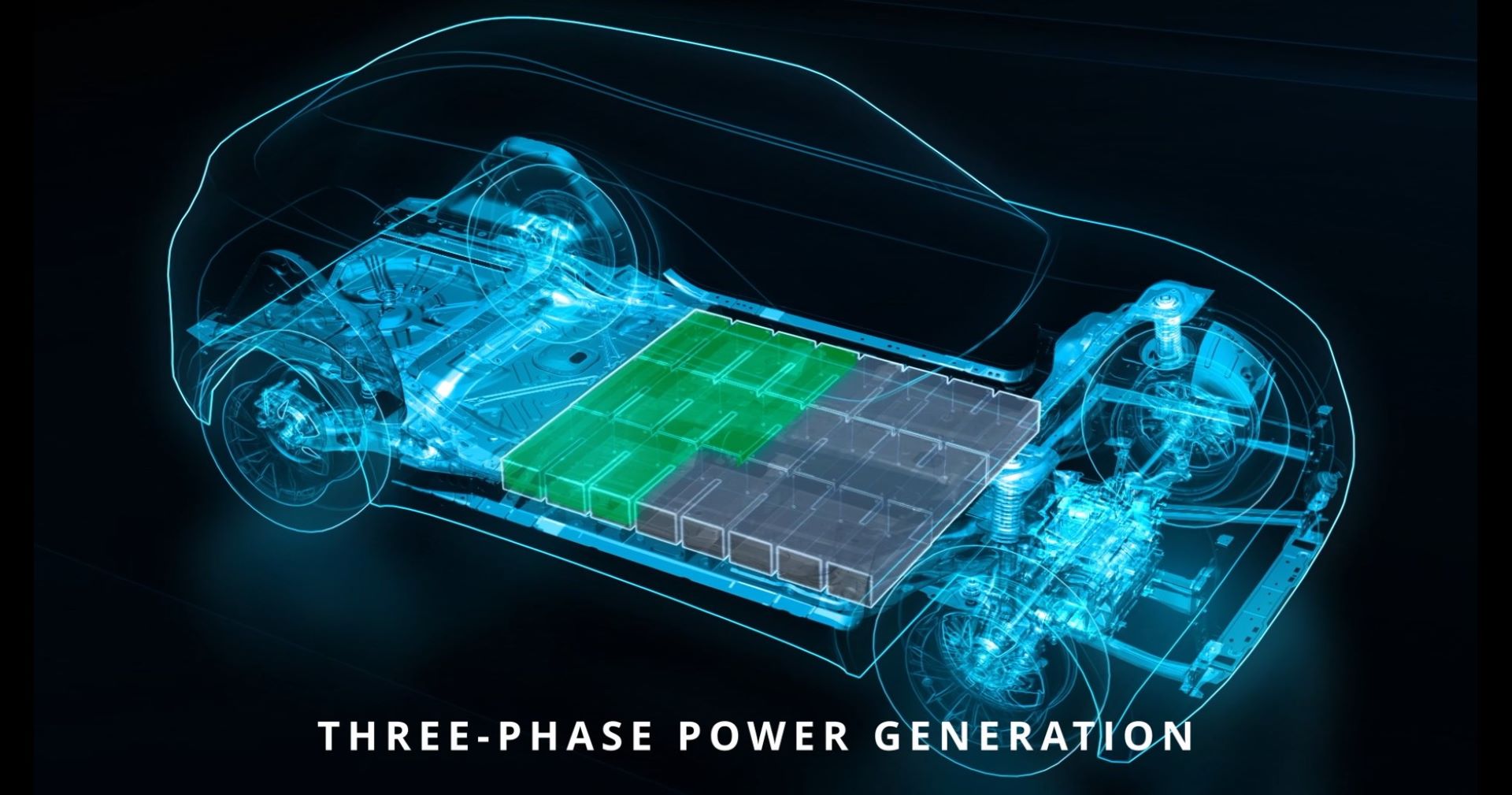
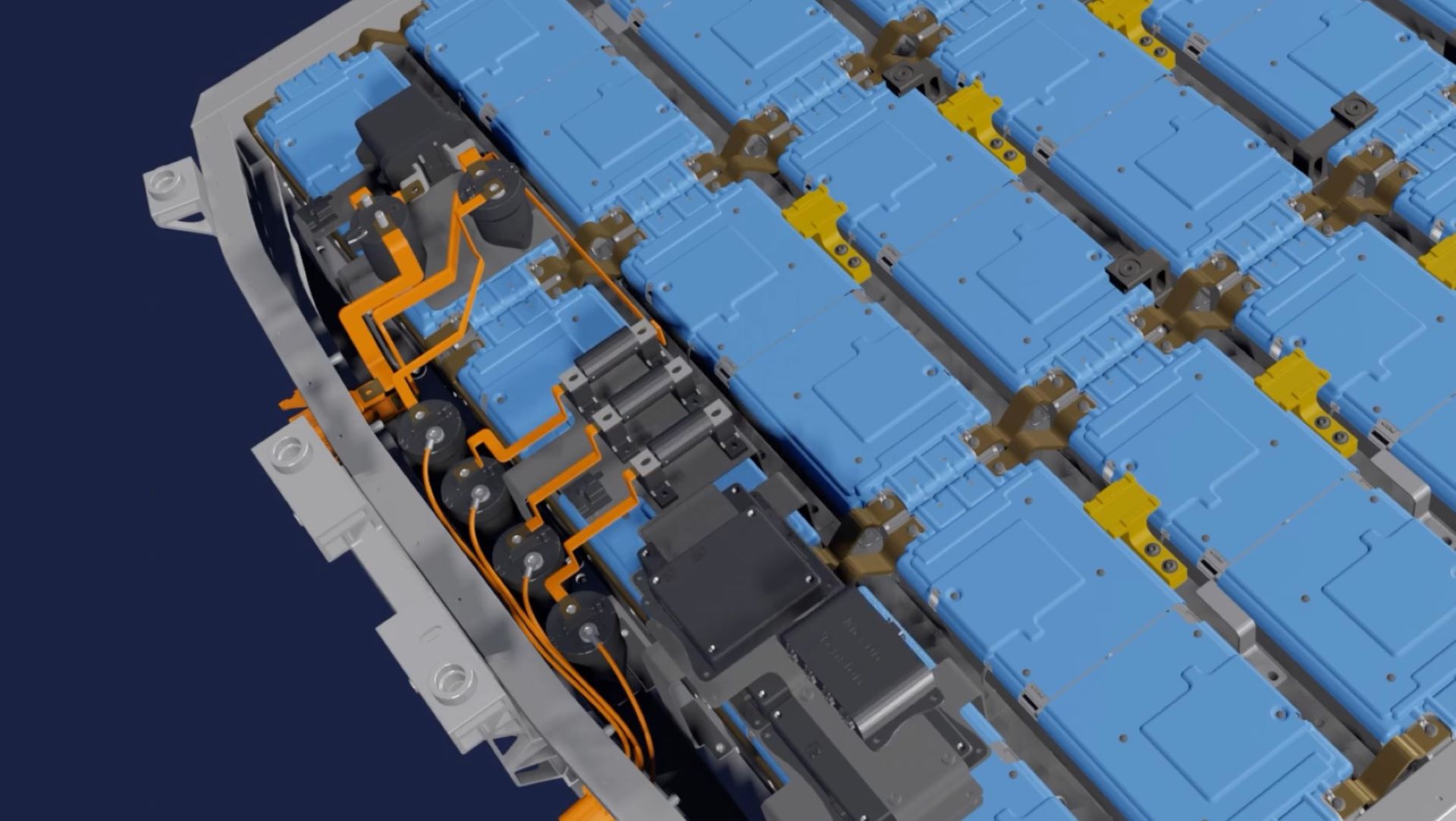
For repair shops, IBIS offers significant advantages. The simplified maintenance profile means technicians won't need to master multiple subsystems. Instead, they'll work with an integrated unit that handles power conversion, charging, and distribution internally. This consolidation should reduce training requirements and specialist equipment needs.
Hervé Amossé, EVP Energy Storage Systems at Saft, highlights the technology's broader implications: "By embedding IBIS technology into our next-generation applications, we're unlocking a new era of intelligent, flexible and sustainable energy solutions."
The system also enhances second-life battery applications, opening new revenue streams for repair businesses specialising in battery reconditioning for stationary energy storage.
With Phase 2 development continuing until 2030, forward-thinking repair shops should prepare for this integrated approach. Production integration is expected by decade's end, giving the industry time to adapt training programmes and equipment procurement.
">