Ford South Africa’s decision to revise its Ranger and Everest engine line-up is sending ripples through the local automotive repair and servicing sector. While customers can look forward to improved performance and new powertrain options, the shift will also alter repair patterns, parts demand and workshop training needs across the country.
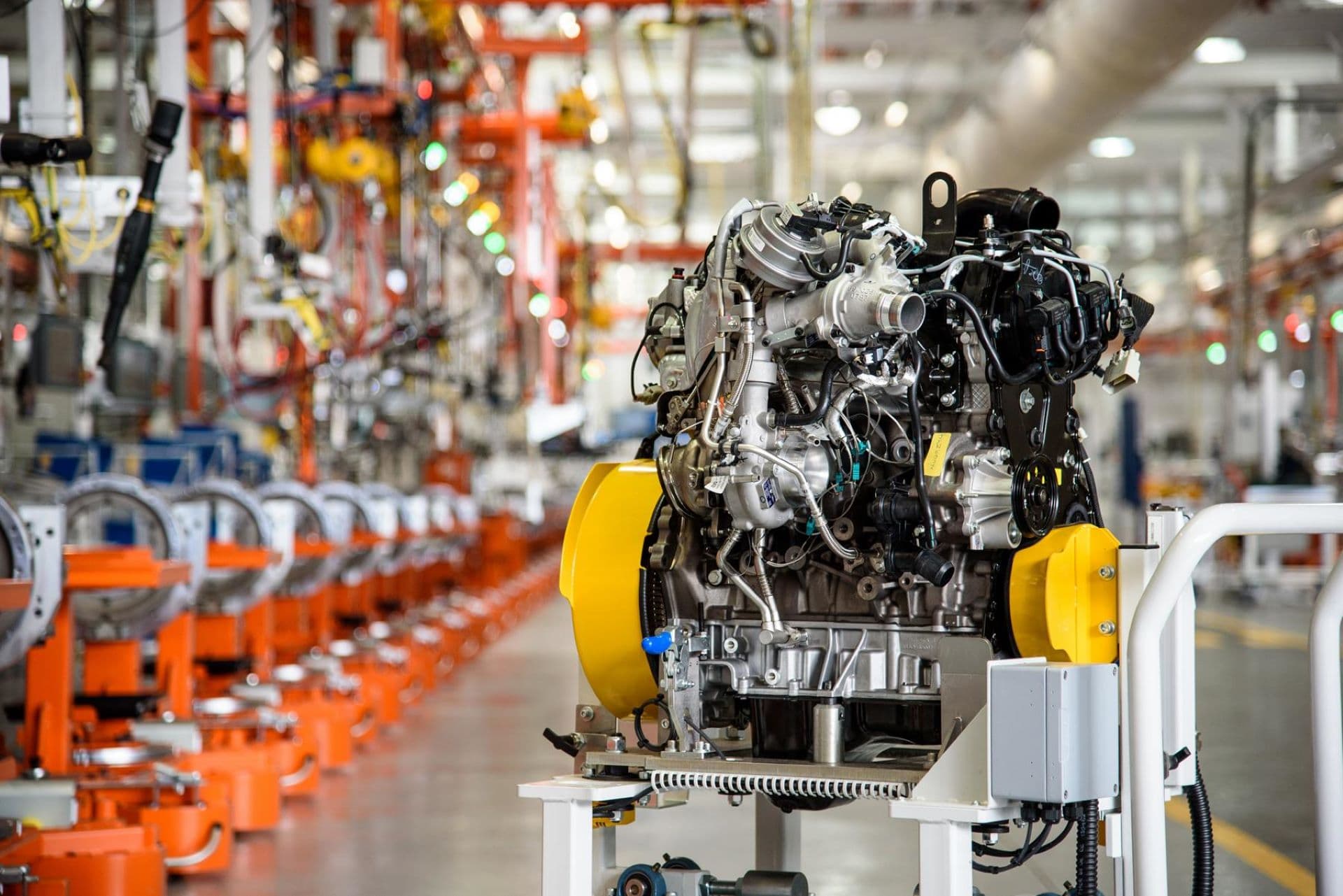
The carmaker confirmed it will add the 2.3-litre EcoBoost turbo petrol engine to both ranges while expanding the use of its 3.0-litre V6 turbo diesel unit. However, both versions of the 2.0-litre turbo diesel engine, currently built at Ford’s Struandale plant in the Eastern Cape, are being discontinued locally. From early next year, the single-turbo diesel will be imported, while the Bi-turbo version will disappear entirely.
According to Ford, these operational changes are necessary to improve efficiency and respond to market demand, but they will also lead to 474 job losses across the Struandale and Silverton plants. The move also means local workshops will need to adapt to different service procedures and parts for imported engines.
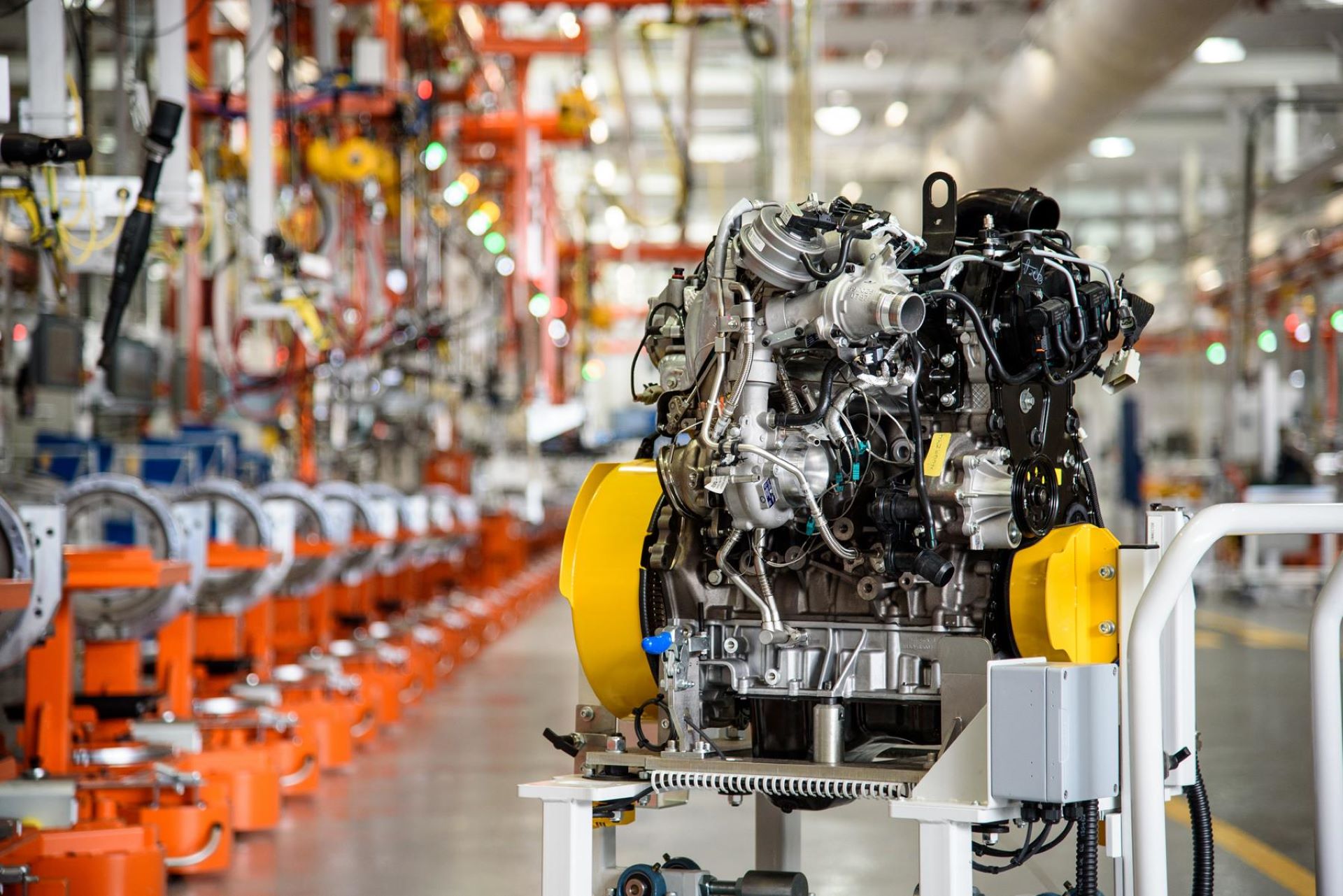
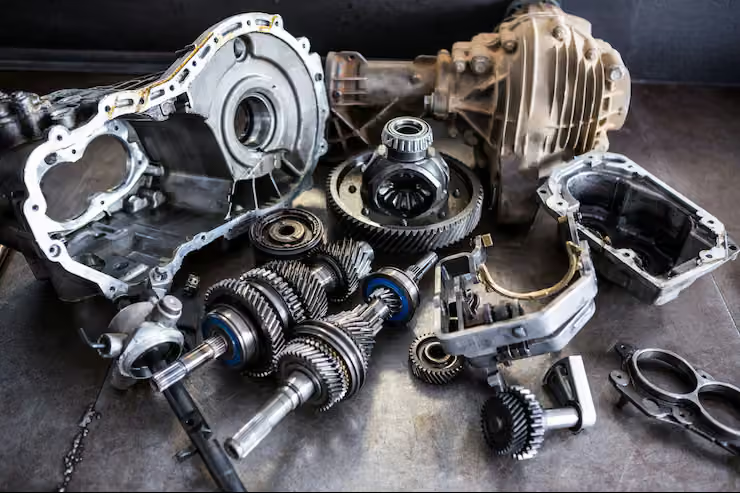
The new 2.3-litre EcoBoost petrol engine, delivering 222kW and 452Nm through a ten-speed automatic transmission, represents a major technological shift for Ford technicians. Its introduction will require retraining in areas such as high-pressure fuel systems, turbo-charging and calibration diagnostics.
“The 2.3-litre EcoBoost engine offers a distinct character, providing exhilarating acceleration, a more dynamic driving feel and a smooth experience,” says Sunil Sewmohan, Director of Product Marketing at Ford South Africa.
For the repair industry, the shift underscores the growing complexity of vehicle maintenance. As manufacturers push for more efficiency and performance, technicians must keep pace with rapid technological change. Ford’s updated line-up, expected in 2026, signals a new era for both vehicle owners and the professionals who keep their engines running.