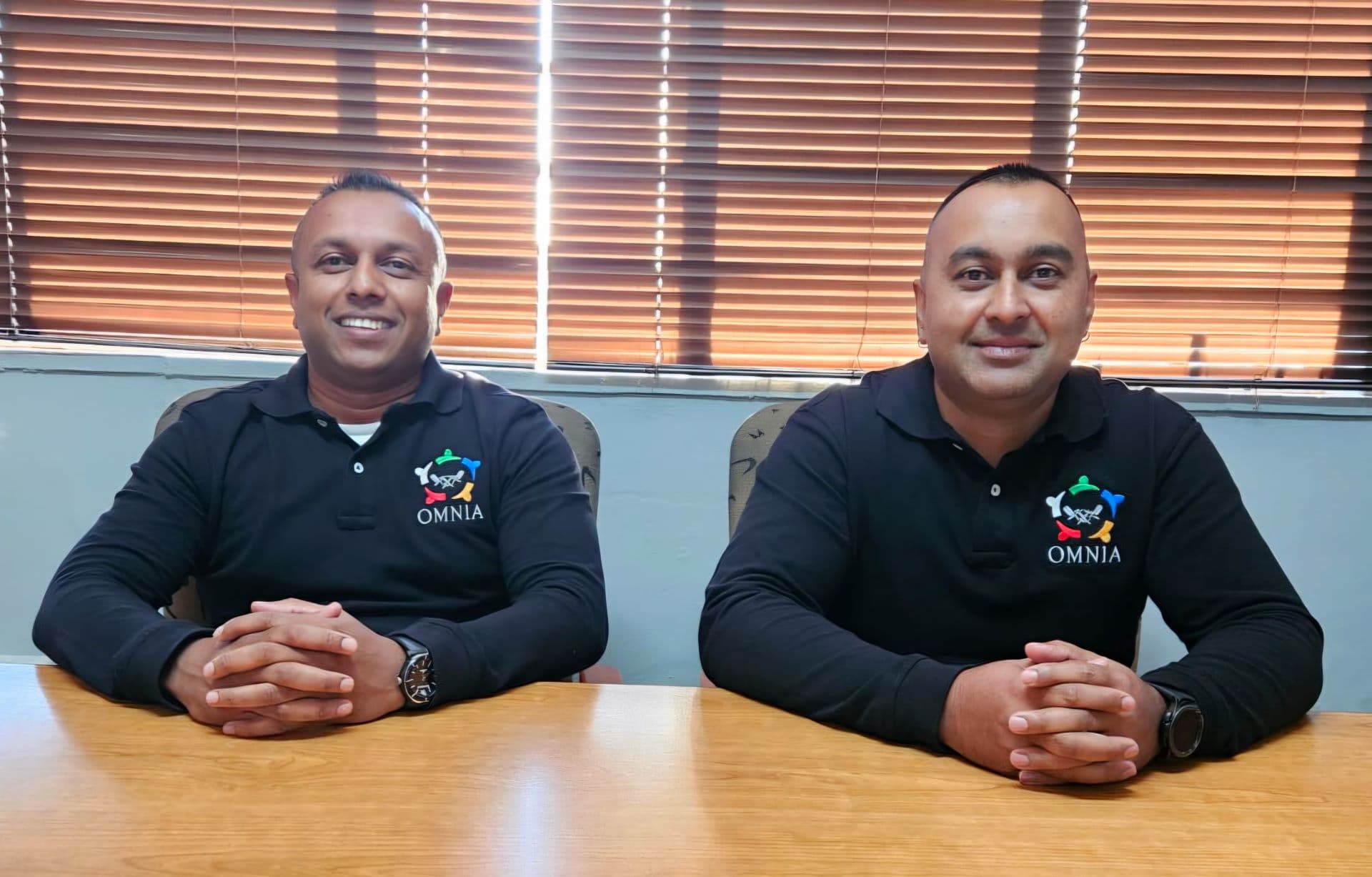
In the bustling collision repair landscape of Edenvale, few businesses embody resilience and innovation quite like Omnia Panelbeaters. At the heart of this transformation is Ronald Janki, part owner and driving force behind the shop’s growth. With a genuine passion for cars and a willingness to rethink traditional approaches, Ronald has helped guide Omnia through post-Covid challenges, digital shifts and the competitive pressures facing small repair shops today. In this interview, he shares the story behind their success, the impact of creative social-media marketing, and the lessons he’s learned along the way.
Your video shorts on social media caught our attention, which means they are clearly successful. Tell us when you started creating them. Is there an interesting story behind it?
We started in 2020, shortly after Covid. There is no dramatic story behind it other than the impact of the Covid period. We essentially had to rebuild our client base from scratch and the most effective way to do that was through social media, which everyone had become accustomed to during that time.
In the beginning we gained only two or three clients and for at least a year it felt as though nothing was happening. However, consistency proved to be the key. Today, around 50 percent of our walk-in business comes from online marketing.
Why did you start creating the short videos, and who is your target audience?
We started by answering frequently asked questions from our clients. The aim was to educate and engage people who might need our services, so our target audience includes current clients, potential clients and anyone interested in collision repair or custom work.
Have you seen measurable results from these short videos? Has a customer ever said they chose your shop because of the videos?
We do not have formal statistics, but many clients tell us they have seen us on Facebook, TikTok and other platforms. Yes, we have had customers choose our shop specifically because they saw our videos online.
You are a member of SAMBRA. Tell us about your relationship and experience with them.
Yes, we are members. Other than the fact that certain insurance companies require the Retail Motor Organisation (RMI) or South African Motor Body Repairers Association (SAMBRA) membership, and that the association’s branding may give clients some reassurance, we are not always sure how else to make full use of SAMBRA’s benefits.
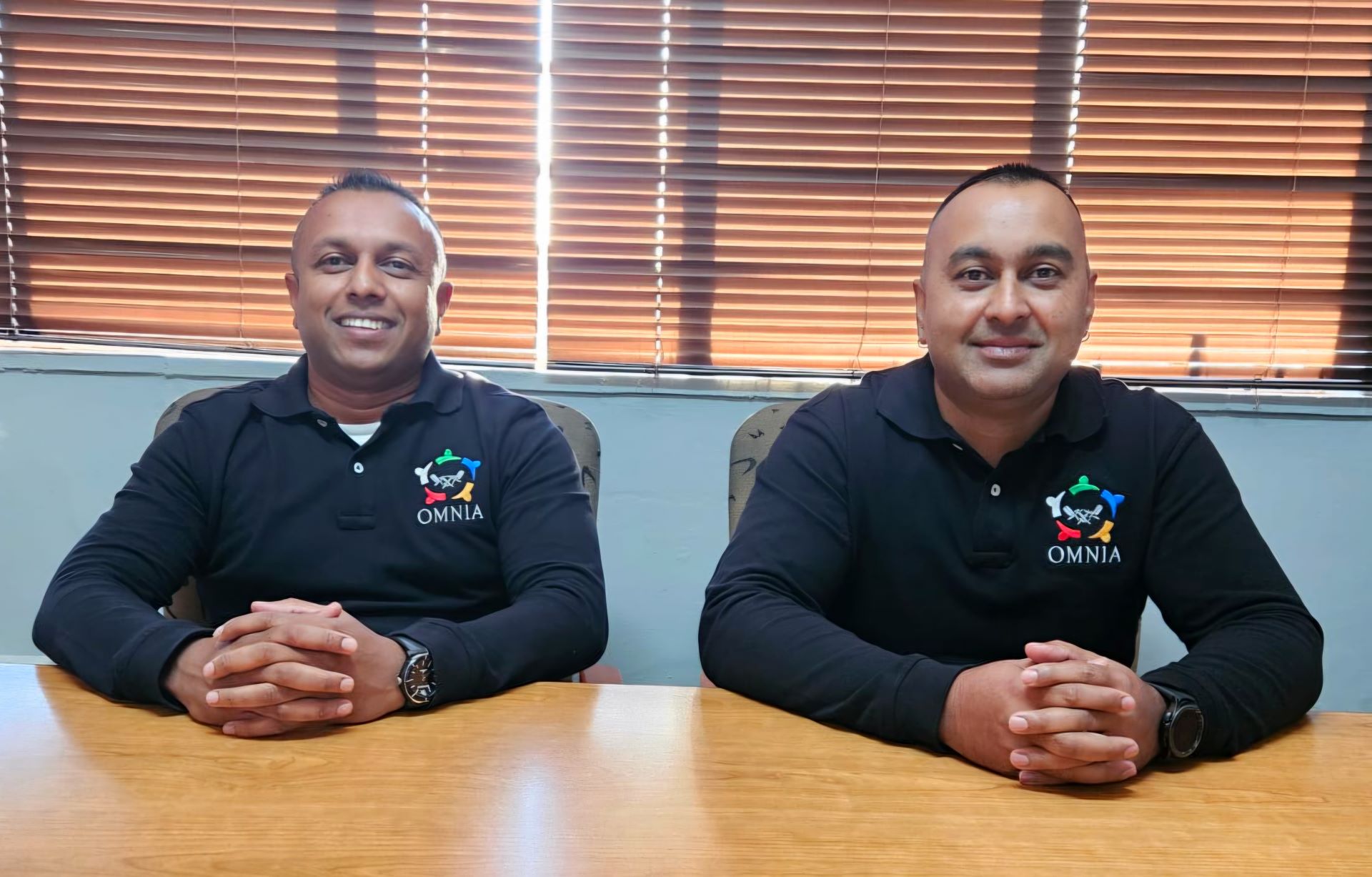
Tell us a little about yourself, your business and how you ended up in the collision repair industry.
I have always had a passion for cars and bikes, especially customising them to my own taste. That is how it all began. I used to buy and sell cars and motorcycles and used this body shop for all my reconditioning work.
In 2016, the owner asked if I wanted to buy the business, and I did. Unfortunately, I soon discovered that it came with a lot of debt and bad habits. I decided to make a complete change by rebranding the business and moving to a new location.
By 2019 the business had grown and I realised I needed help, so I sold shares to a family member who came from the collision industry. Combining our expertise has allowed us to keep developing new ideas and continuously push for improvement. We simply keep trying until we succeed.
What do you see as the biggest current challenge facing collision repair in South Africa?
There is intense economic pressure on smaller shops like ours. Most collision repair work is directed to the larger, well-known shops. The gap between manufacturer-approved shops and small shops is significant because we cannot afford the space, equipment and highly specialised staff required for approval.
Are you experiencing any challenges in repairing electric vehicles?
Not at this stage. We have only carried out body work on electric vehicles so far and have not experienced any problems yet.
What final advice would you offer to other repairers or newcomers entering the industry?
Do not overthink it. Get started and maintain a consistent standard of quality. Remember that you will win some and lose some, and you must simply keep going.