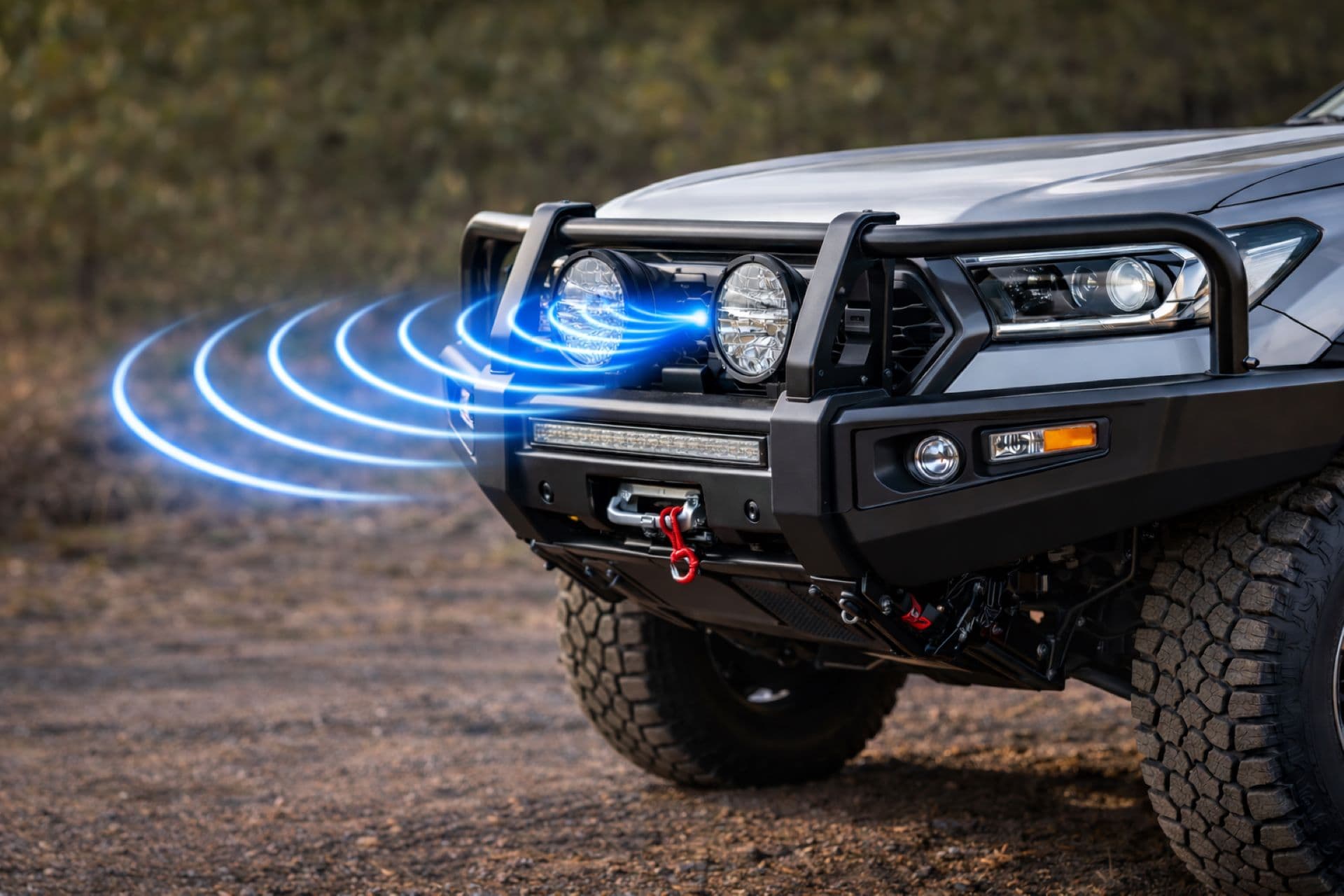
The Australian Automotive Aftermarket Association (AAAA) has unveiled a new advanced driving assistance systems (ADAS) Vehicle Modifications Code of Conduct designed to safeguard the performance of Advanced Emergency Braking (AEB/AEBS) after common vehicle alterations.
The Code introduces a consistent, evidence driven testing method that allows engineers, certifiers, and vehicle modifiers to verify that safety systems remain compliant following changes to suspension, vehicle mass, tyres, or frontal protection equipment. By clearly outlining when recalibration is necessary, the framework helps maintain ADR 98 compliance without requiring full first stage approval testing for every adjustment.
AAAA Chief Executive Stuart Charity said the initiative reflects the need for the aftermarket sector to keep pace with rapidly evolving vehicle technology.
“The Australian aftermarket has always ensured vehicles are fit for purpose—whether for work, towing, or exploring off-road—and that will continue,” he said. “But as safety technologies such as ADAS increasingly define modern vehicles, our responsibility is clear: any modifications must preserve the function of these critical systems.”
Luke Truskinger, Managing Director of the Auto Innovation Centre (AIC), reinforced the importance of objective validation in the sector.
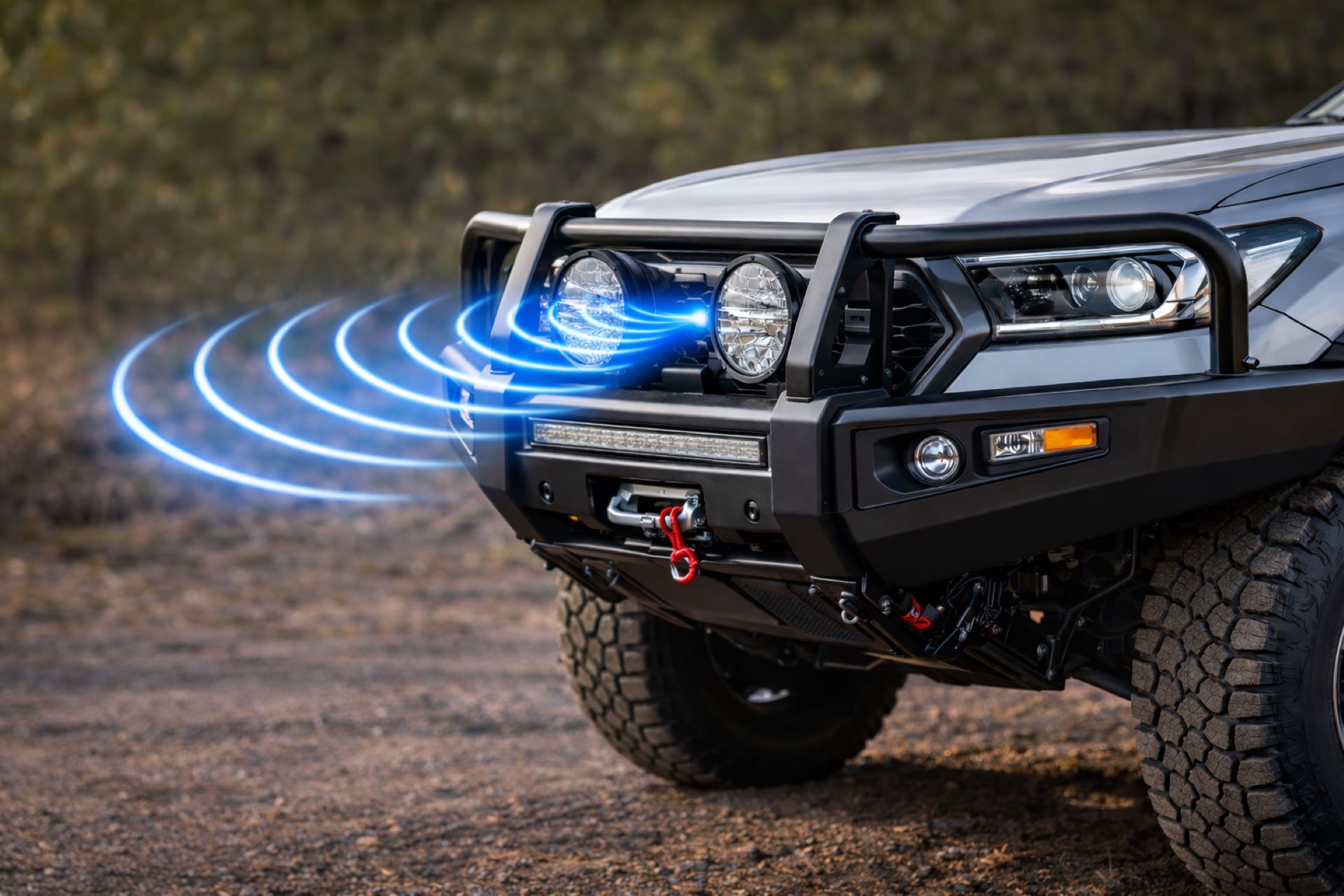
“The Code introduces a repeatable post modification verification process for AEB,” he explained. “It provides a robust method to confirm that AEB capability remains intact and performs as expected. Our working group is now focused on developing a contemporary, standardised test protocol for airbag compatibility that can be adopted nationwide.”
The Code was drafted and tested by a specialist technical working group, with the AIC conducting detailed analysis and validation work.
Alongside the ADAS initiative, the AAAA has launched a new Technical Working Group (TWG) dedicated to Airbag Compatibility Testing for bull bars. This effort seeks to deliver a clear, nationally recognised definition of “airbag compatible”—a term widely used across the industry but lacking consistent scientific grounding.
The TWG will collaborate with manufacturers, automotive engineers, testing facilities, certifiers, and regulators to create a modern, scientifically verifiable test standard. The aim is to ensure frontal protection systems meet contemporary safety requirements while giving businesses and consumers confidence in product performance.
The AAAA is encouraging organisations with direct involvement in vehicle design, manufacturing, and certification to participate in the working group and contribute to the development of these important industry standards.