Africa's automotive sector is experiencing a dramatic shift, with Morocco emerging as a rising force while traditional leader South Africa faces significant challenges. The latest data from the International Organisation of Motor Vehicle Manufacturers reveals this changing continental landscape.
South Africa's automotive industry struggled in 2024, producing 599,755 vehicles—a 5% decline from the previous year. While this maintained the country's 20th global ranking, it fell well short of the 784,509-unit target outlined in the South African Automotive Masterplan 2035. In stark contrast, Morocco demonstrated robust growth, manufacturing 559,645 vehicles—a 5% increase that elevated the North African nation to 23rd place globally.
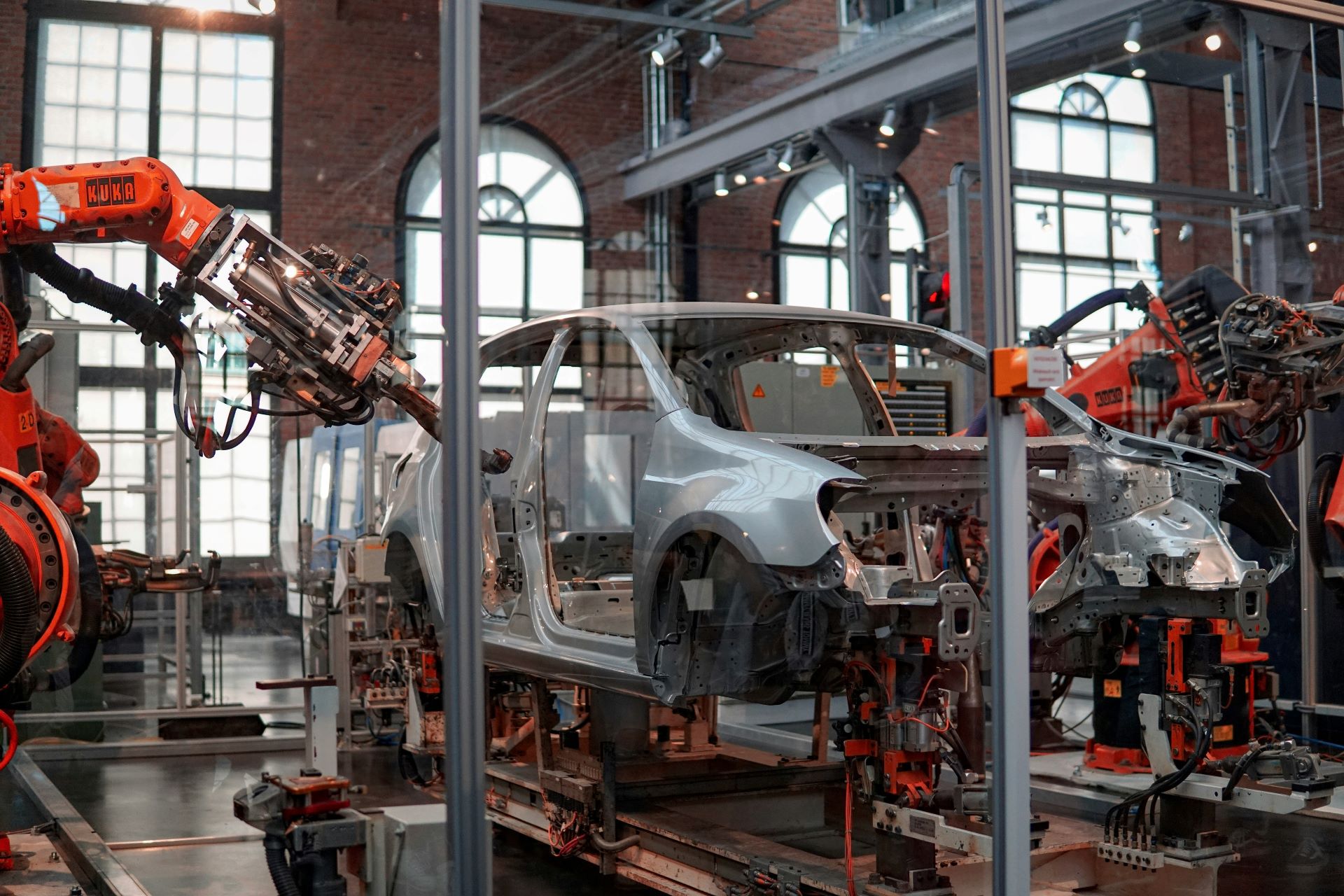
Despite hosting manufacturing facilities for seven major international automakers including Volkswagen, Toyota, and Mercedes-Benz, South Africa's automotive sector faces severe headwinds. The industry has been battered by surging Chinese vehicle imports, weak domestic demand, and insufficient local content integration. Trade Minister Parks Tau highlighted the severity of these challenges, noting that 12 manufacturing plants have closed and over 4,000 jobs have been eliminated in the past two years.
Export markets present additional obstacles for South Africa. Vehicle shipments to the United States plummeted during April and May 2025 following President Trump's implementation of substantial import tariffs, effectively eliminating the preferential market access previously enjoyed under the African Growth and Opportunity Act.
The global automotive landscape remains dominated by manufacturing giants, with China leading at over 31 million vehicles produced in 2024—more than the US and Japan combined. This represents part of the 92 million vehicles manufactured worldwide. China's dominance stems from strong domestic demand, rapid electric vehicle adoption, and expanding export capabilities.
The automotive industry's shift toward emerging markets continues, driven by increasing consumer purchasing power, favorable trade agreements, and manufacturers seeking competitive production locations. While South Africa maintains significant industrial infrastructure, Morocco's growth trajectory suggests a rebalancing of Africa's automotive manufacturing landscape. The concentration of global production among China, the US, and Japan—representing 54% of total output—highlights the competitive pressures facing other producing nations in an increasingly challenging environment.