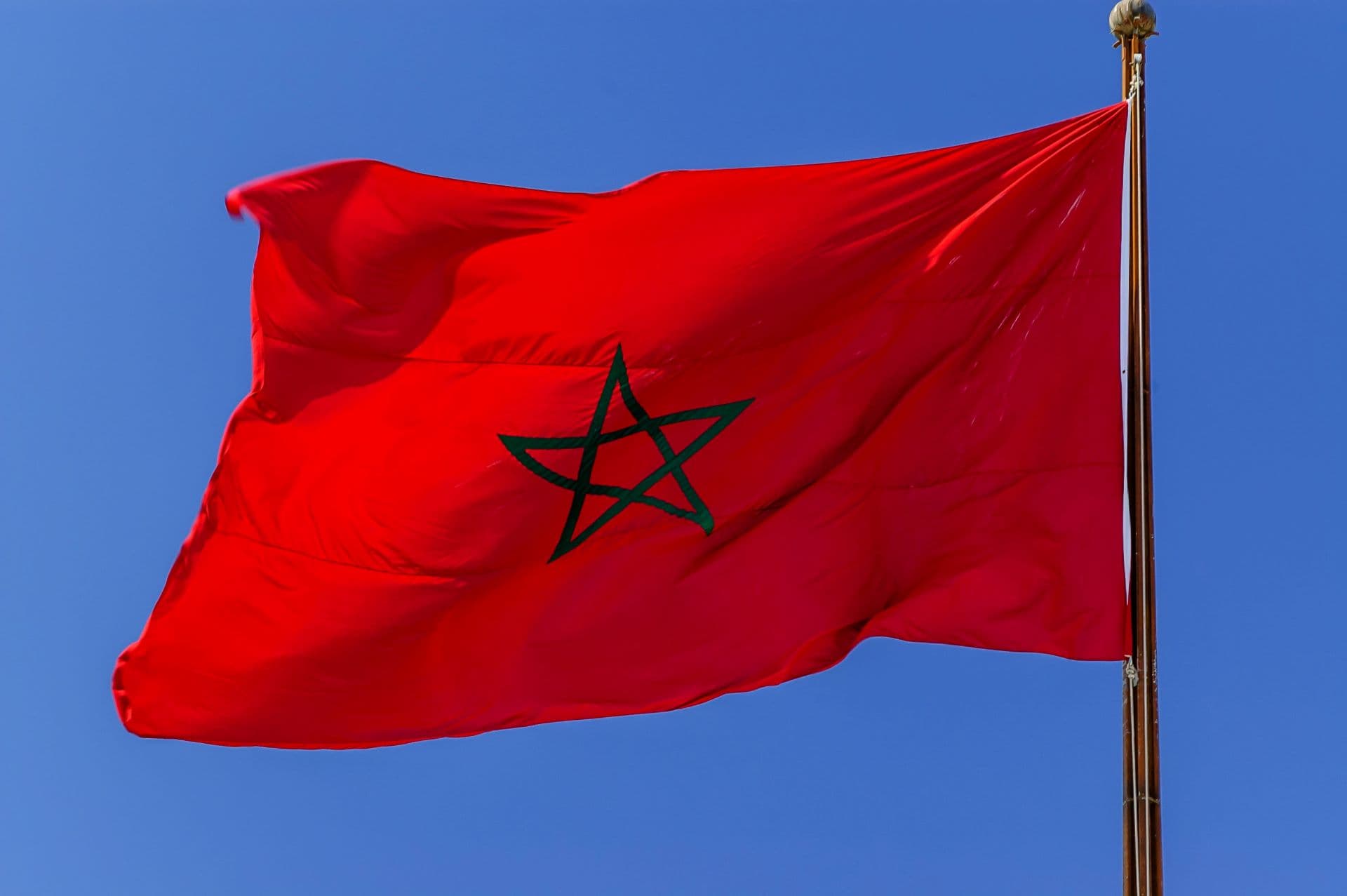
In 2025, Morocco reached a landmark achievement by becoming Africa’s largest vehicle manufacturer, overtaking South Africa for the first time. With production surpassing one million units, the Kingdom has confirmed its status as a central player in the continent’s industrial transformation and a key link in global automotive value chains, particularly as the sector moves towards electric mobility.
Breaking the One-Million Barrier
Morocco’s automotive output exceeded one million vehicles in 2025 across all categories, a symbolic and strategic threshold that places it at the top of African rankings. This represents a dramatic rise from approximately 560,000 units produced in 2024, amounting to growth of nearly 80% in a single year. At the same time, the automotive industry has become the country’s largest export sector, with export revenues estimated at close to €15 billion for the year.
Strong Manufacturers and a Localised Ecosystem
This success is underpinned by a well-structured industrial ecosystem centred on major manufacturers and an extensive supplier base. Renault operates large plants in Tangier and Casablanca, while Stellantis’ facility in Kenitra is rapidly increasing capacity. The Kenitra plant alone is targeting annual production of over 500,000 vehicles, with a particular emphasis on compact electric models such as the Citroën Ami and Fiat Topolino.
Morocco’s industrial policy prioritises local value creation, with plans to raise the local integration rate beyond 80% in the short term and towards 90% by 2030. This approach strengthens domestic supply chains and reduces reliance on imported components.
Logistics, Stability and Industrial Diplomacy
Beyond manufacturing, Morocco’s logistical infrastructure has played a decisive role. The Tangier Med port complex and surrounding free zones provide efficient access to European, African and Middle Eastern markets, offering competitive costs and fast delivery times. Political stability, favourable tax regimes, free trade agreements and a skilled labour force have further enhanced the country’s appeal to global manufacturers.
In addition, Morocco’s heavy investment in renewable energy, particularly solar and wind power, supports manufacturers seeking to decarbonise their operations and comply with increasingly strict environmental standards.
Positioning for the Electric Future
Morocco’s leadership is not limited to conventional vehicles. The country is actively positioning itself within the electric vehicle and e-mobility value chain, investing in battery production, components and new assembly projects. The arrival of additional international players, including Asian suppliers and premium brands, reinforces its role as a “green” manufacturing platform closely linked to the European market.
A New Industrial Balance in Africa
Morocco’s rise is reshaping Africa’s automotive geography, shifting the centre of production northwards. This transformation opens opportunities for regional partnerships in parts manufacturing, logistics and skills development across West, Central and Sahelian Africa. The challenge ahead will be extending these benefits beyond coastal hubs through deeper South–South cooperation and technology transfer, ensuring broader continental industrial growth.