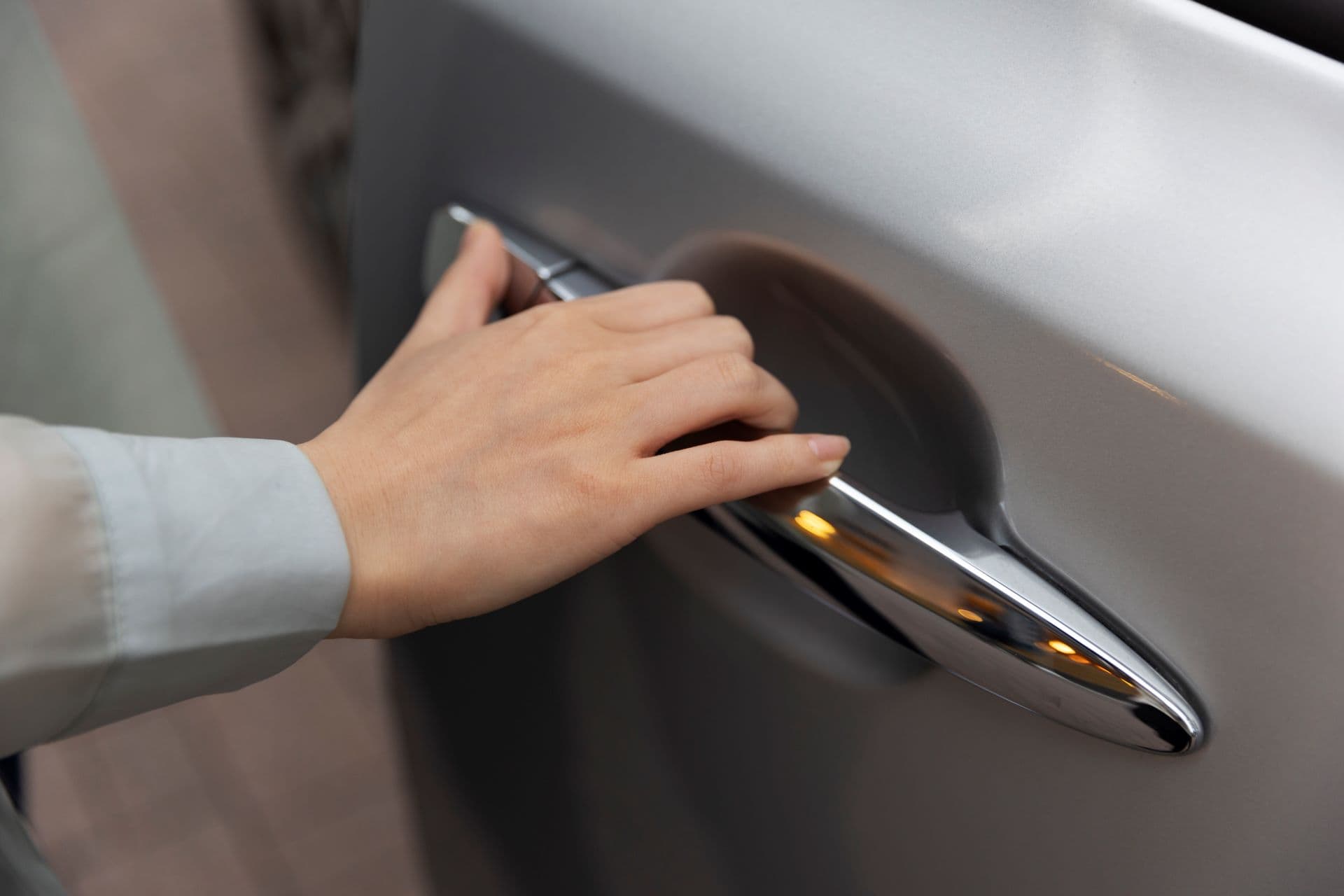
China is introducing a nationwide ban on hidden car door handles, marking a significant move to address longstanding safety concerns surrounding electronically actuated systems. The new regulations, effective from 1 January 2027, position China as the first country to formally require mechanical releases on both the exterior and interior of all passenger doors.
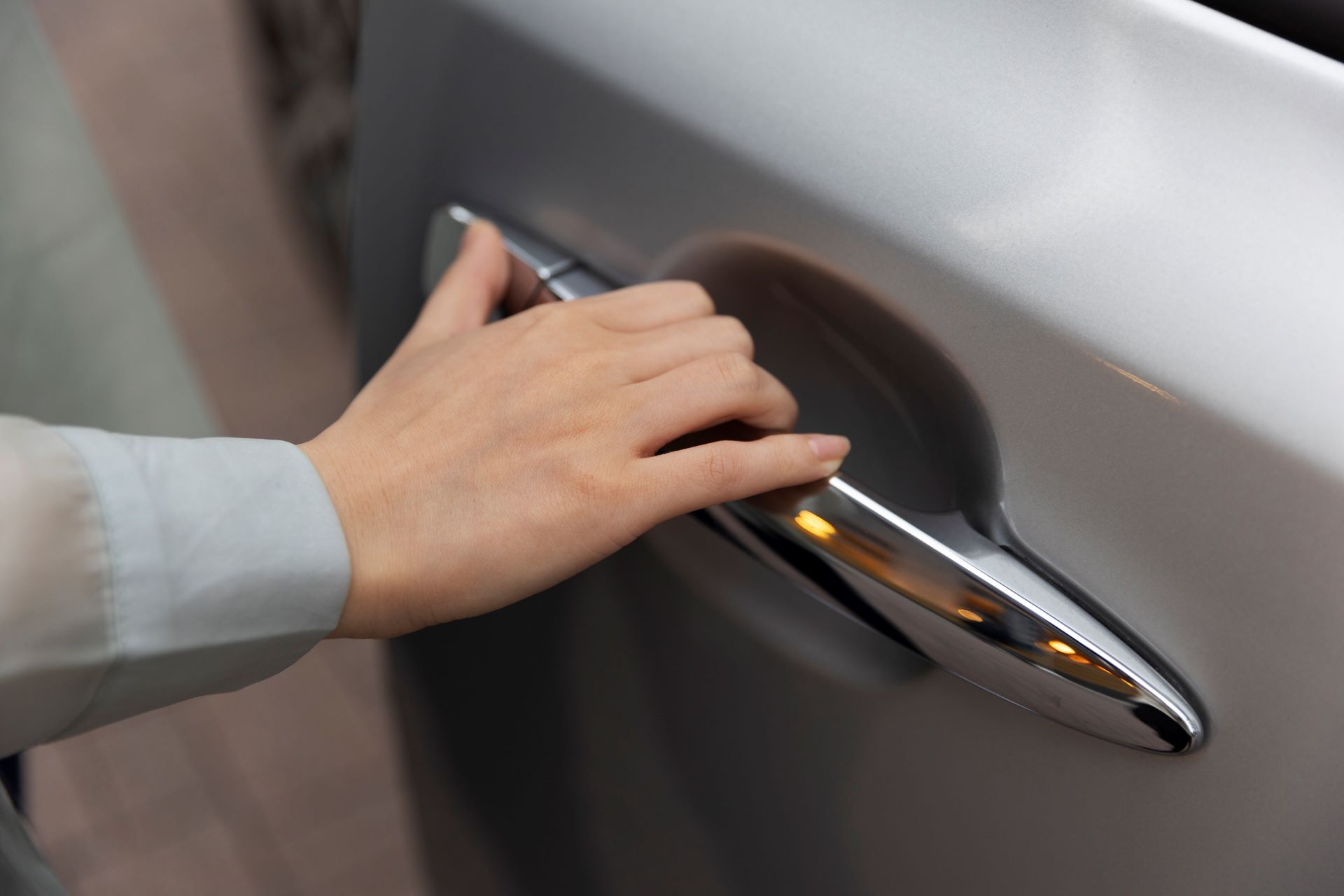
Flush door handles—brought to global attention by Tesla and later incorporated into numerous electric vehicle models by Chinese manufacturers such as Xiaomi, Aion and Nio—have come under increased scrutiny in recent years. Although admired for their sleek integration and aerodynamic efficiency, these designs depend on electronic mechanisms that may fail during emergencies. Several fatal incidents in China, especially those involving Xiaomi vehicles, involved situations where the doors could not be opened after power loss, resulting in trapped occupants.
The Ministry of Industry and Information Technology’s updated technical standards require a clearly accessible external handle with a recessed grip measuring at least 60 mm by 20 mm by 25 mm. Inside, door-release points must be visible from each occupant’s position and marked with permanent signage of at least 10 mm by 7 mm. Tailgates are exempt, and already approved models have until January 2029 to meet the new requirements.
Tesla’s struggles with electronic handle malfunctions have prompted investigations by U.S. authorities, placing the company under further pressure at a time when its global sales face decline and competition intensify in China—its second-largest market. European regulators are also considering adopting comparable rules, underscoring a growing international focus on mechanical fail-safes.
As the world’s largest EV market, China’s regulatory direction is poised to shape automotive design globally. By placing safety ahead of futuristic minimalism, the country is asserting its influence over how emerging vehicle technologies should be engineered. The ban signals a broader shift in the industry: aesthetic innovation must never compromise the basic ability to escape a vehicle in an emergency.