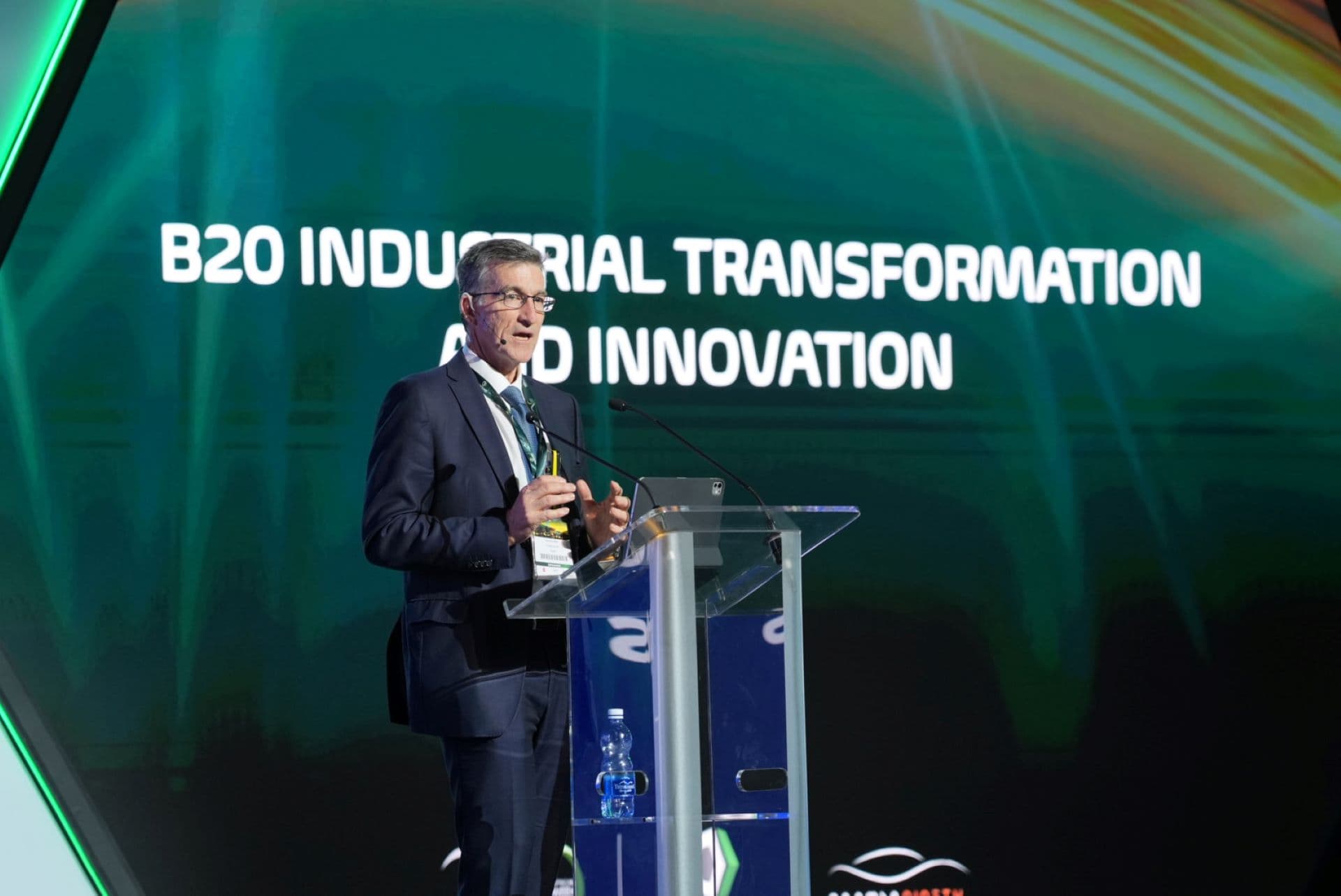
South Africa’s bid to re-industrialise will fail without the strength of its automotive repair and service network, according to Toyota South Africa Motors CEO Andrew Kirby.
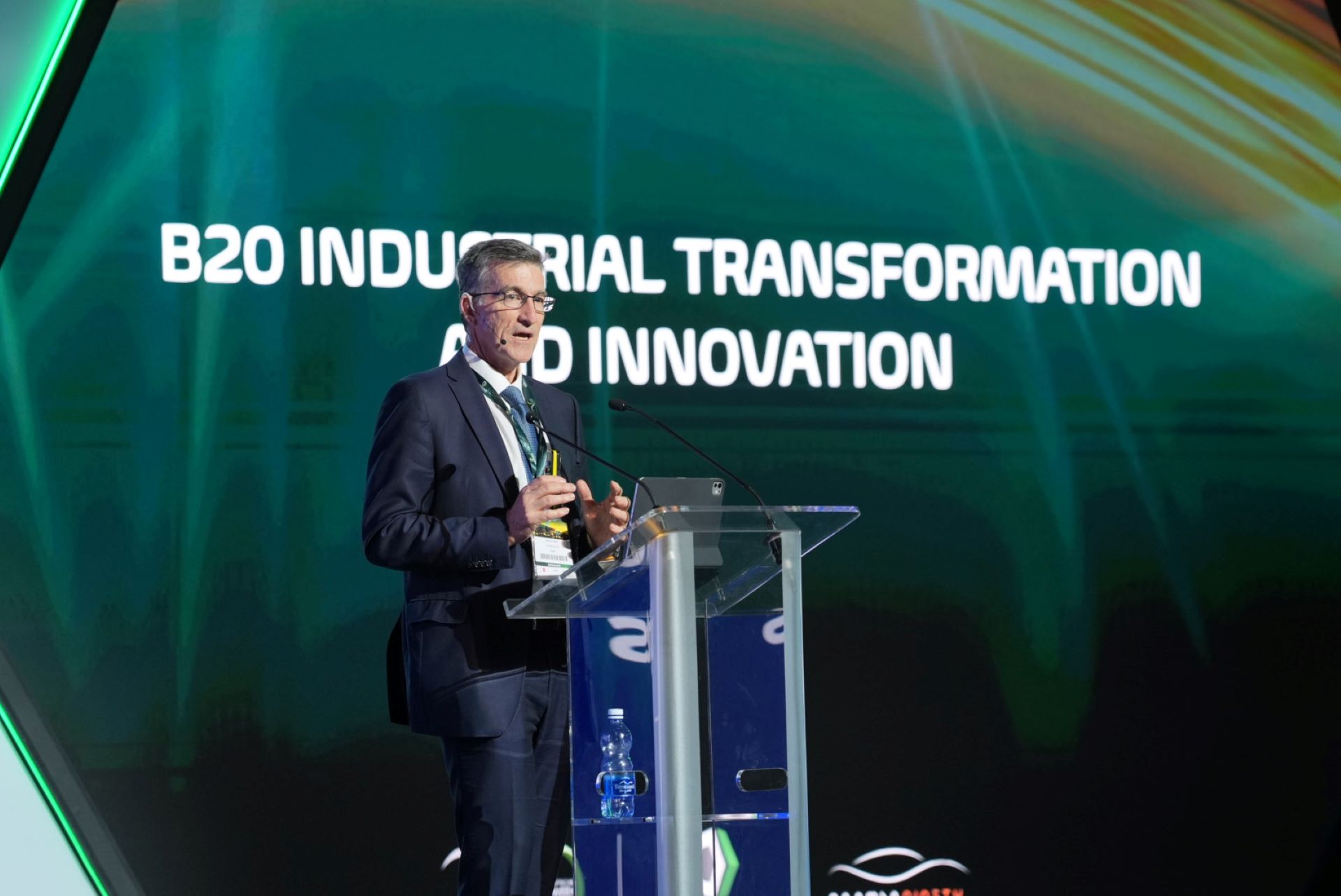
Speaking at an industry event in Gqeberha, he said the automotive sector “has the potential to drive a new wave of industrialisation”, but warned that declining manufacturing capacity and weak domestic demand threaten that vision.
Kirby highlighted the steep fall in manufacturing’s share of GDP from 19 percent in 2000 to 13 percent in 2024. “South Africa’s manufacturing value-added per capita dropped by 11 percent in two decades,” he said. “Meanwhile, Türkiye and India more than doubled theirs.”
He pointed to the automotive industry as an anchor for renewal. The sector contributed R171 billion in manufacturing value last year and sustains 115 000 direct jobs, while retail, repair and service operations support another 175 000. “A unified approach between government and industry is an imperative towards re-industrialising our future,” Kirby noted.
Maintaining depth through local content
Kirby warned that the country’s shift from locally assembled vehicles to imported units has weakened local content and repair capability. “SKD may be cheaper, but it is shallow. CKD is costly but transformative,” he said. The decline of completely knocked-down assembly from 56 percent in 2006 to 33 percent today threatens small manufacturers and component rebuilders.
He described four major pressures facing the industry: weak local demand, import substitution, policy uncertainty around new-energy vehicles (NEVs) and dependence on European exports. Kirby stressed that South Africa must urgently adopt an inclusive NEV policy covering hybrids, plug-ins, battery-electric and fuel-cell vehicles. “It is essential to drive demand, support manufacturing and secure future OEM allocations,” he said.
Opportunities for workshops and suppliers
Kirby argued that aligning the ad valorem tax curve with actual car prices and encouraging local procurement could unlock growth across the automotive ecosystem. A 20 percent increase in domestic production and exports could add R21 billion in value and create 14 500 new jobs.
Such momentum would not only revitalise assembly lines but also strengthen the repair, service and parts-supply industries. For thousands of small workshops and component rebuilders, renewed investment in local manufacturing would mean access to new technologies, training and sustainable work opportunities.
“The automotive value chain is not just about factories,” Kirby concluded. “It is about the people and skills that keep South African mobility alive.”