Ford Motor Company is planning to replace complex assemblies with giant, single-piece aluminium castings for its upcoming electric pickup.
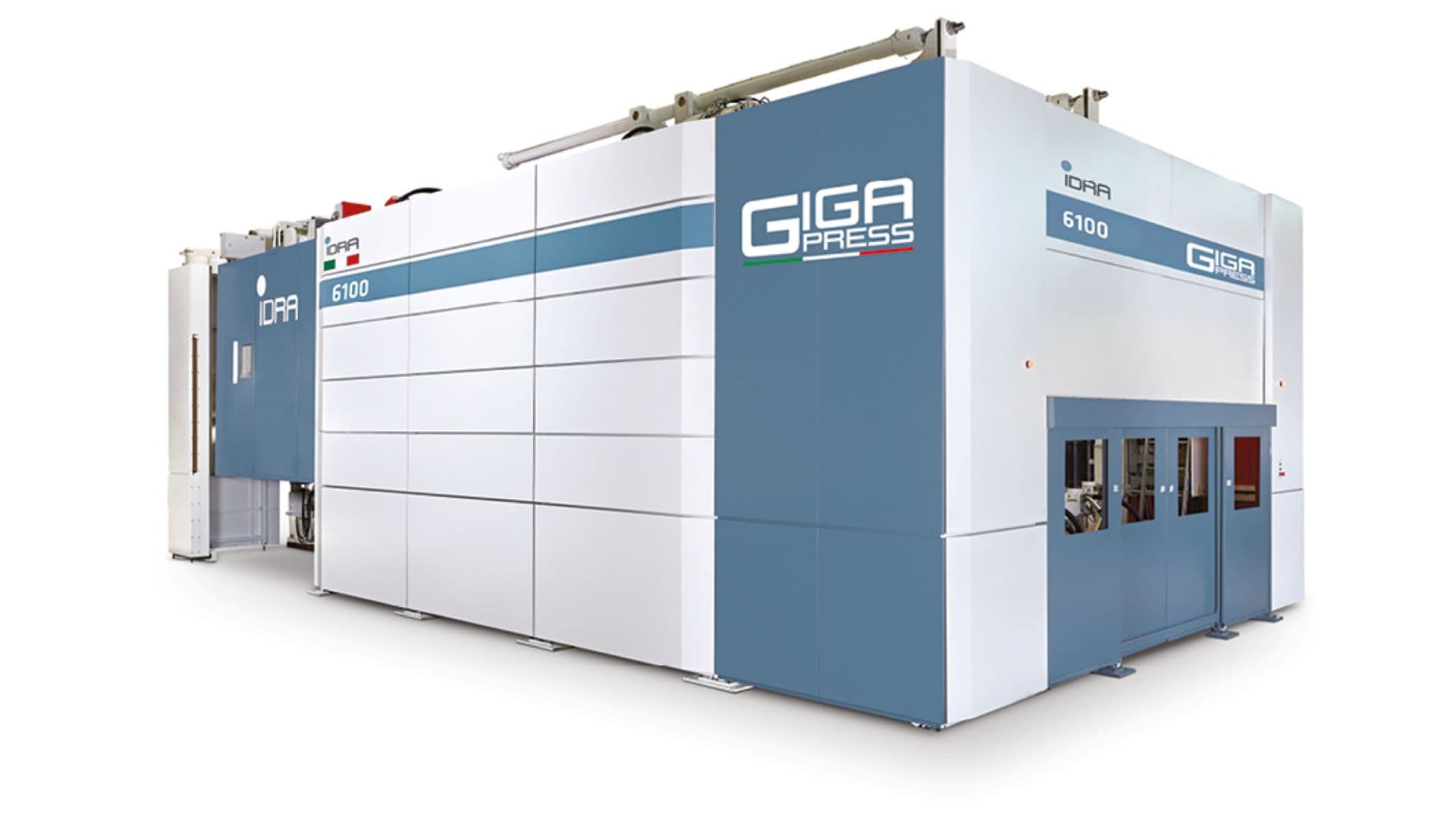
The technique, known as megacasting or unicasting, involves forming large structural sections as single components rather than assembling them from hundreds of smaller parts. Early reporting suggests this strategy is aimed at lowering both production costs and consumer repair bills.
By consolidating many components into one large casting, Ford significantly reduces the complexity of the vehicle’s structure. With fewer joints, welds, and seams, potential failure points are reduced, and certain repairs may become more straightforward. This reflects industry findings that megacasting can lower manufacturing complexity and costs, which in turn can lead to reduced repair expenses.
Historically, insurers and repair technicians have been concerned that replacing a large megacast part could be more expensive than repairing traditional multi-piece steel assemblies. However, studies of similar gigacast structures, such as those used by Tesla, indicate that these fears may not fully materialise. Research from Thatcham and WardsAuto shows that gigacast components can reduce repair costs in both partial and full replacement scenarios compared with multi-piece constructions. For example, Tesla’s gigacast rear structure demonstrated significant savings in real-world crash repairs due to reduced labour and simpler part geometry.
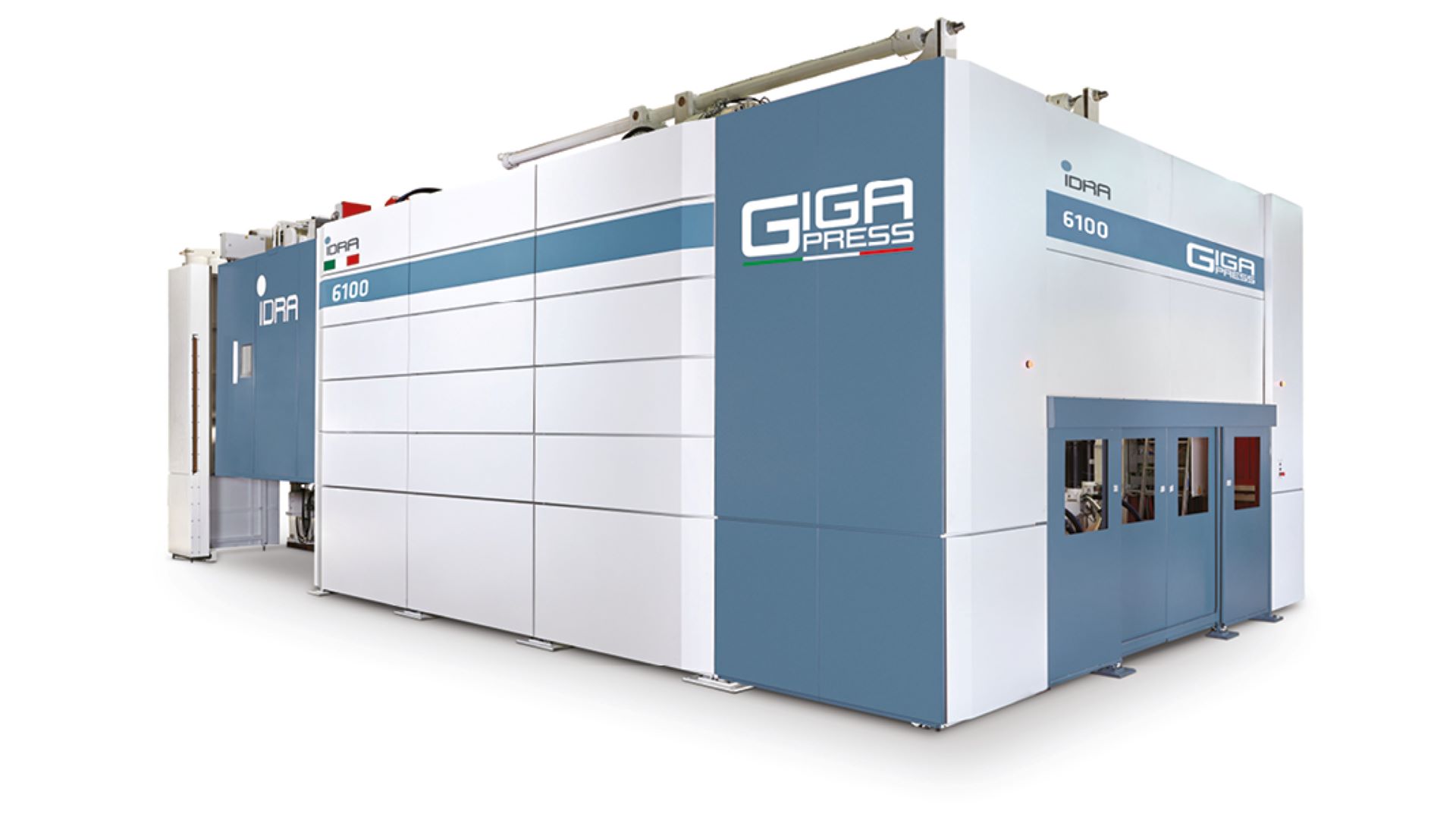
If Ford designs its megacastings with modular repairability, as Tesla has done, owners may experience similar benefits. Features such as sectional replacement areas or “wedged-in” repair inserts allow technicians to repair only the damaged portion rather than the entire casting. This approach has been cited as a major factor enabling lower repair bills for gigacast vehicles.
Despite the promising potential, megacasting introduces new challenges. According to industry analyses, megacast parts, while robust, are more difficult to repair if severely damaged. High scrap rates and the need for specialised tools and training can increase costs for automakers and potentially for repair shops and insurers. Workshops may need new certifications and equipment to manage aluminium megacast repairs, which could initially offset some consumer savings.
Given Ford’s stated intention to reduce repair bills through megacasting, consumers may ultimately benefit from:
• Lower-cost repairs on low to moderate-severity damage where modular repairability is possible.
• Reduced labour hours due to simplified structural designs.
• Faster turnaround times, particularly if Ford invests in standardised repair procedures nationwide.
However, for severe collisions involving structural compromise, repair costs may remain high or even require full casting replacements, a situation that is still evolving as automakers refine repair strategies.
While megacasting brings both opportunities and challenges, available evidence suggests that Ford’s adoption of this manufacturing method will likely reduce repair costs for many types of damage, particularly if the company incorporates repair-friendly design features already proven effective elsewhere.