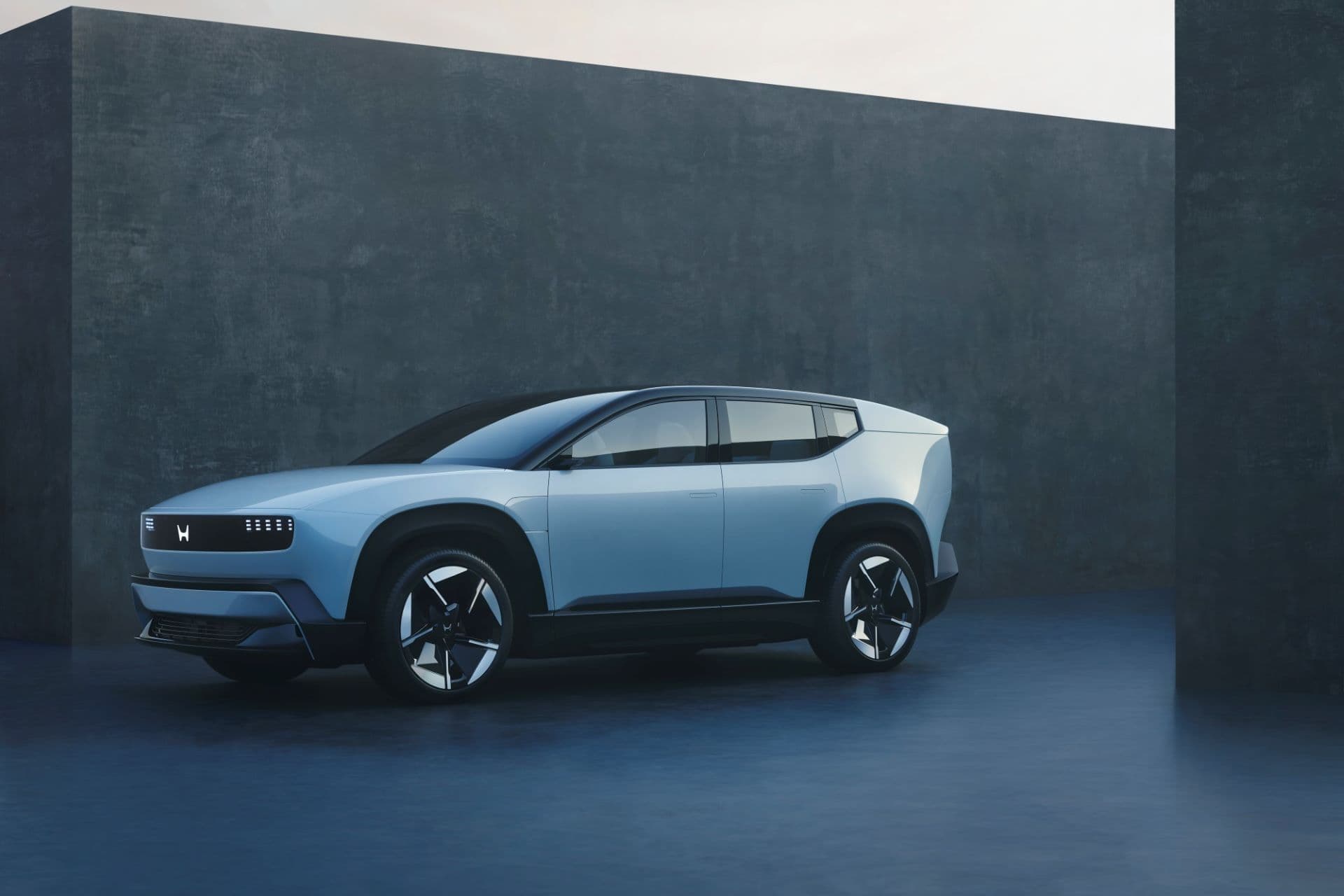
Honda Motor Co. and California-based AI startup Helm.ai have announced a multi-year joint development agreement to accelerate Honda's next-generation autonomous driving capabilities, including its Navigate on Autopilot (NOA) platform. The partnership, announced in August 2025, represents a significant step toward bringing AI-powered self-driving technology to mass-market vehicles.
Helm.ai, which provides autonomous driving AI software for highway and urban autonomy, will leverage its full-stack real-time software and large-scale autolabeling and generative simulation foundation models for development and validation. Central to this collaboration is Helm.ai Vision, a vision-based AI system with real-time path prediction capabilities that was unveiled in June 2025.
The AI systems and offline foundation models are pre-trained on large-scale, diverse, multi-modal datasets and will be further adapted to meet Honda's specifications for safe, reliable, and scalable deployment. Honda's NOA system utilizes an end-to-end (E2E) AI architecture that manages everything from environmental perception to decision-making and vehicle actuation. As a partially automated system, it requires constant driver attention while supporting both highway and complex urban driving scenarios.
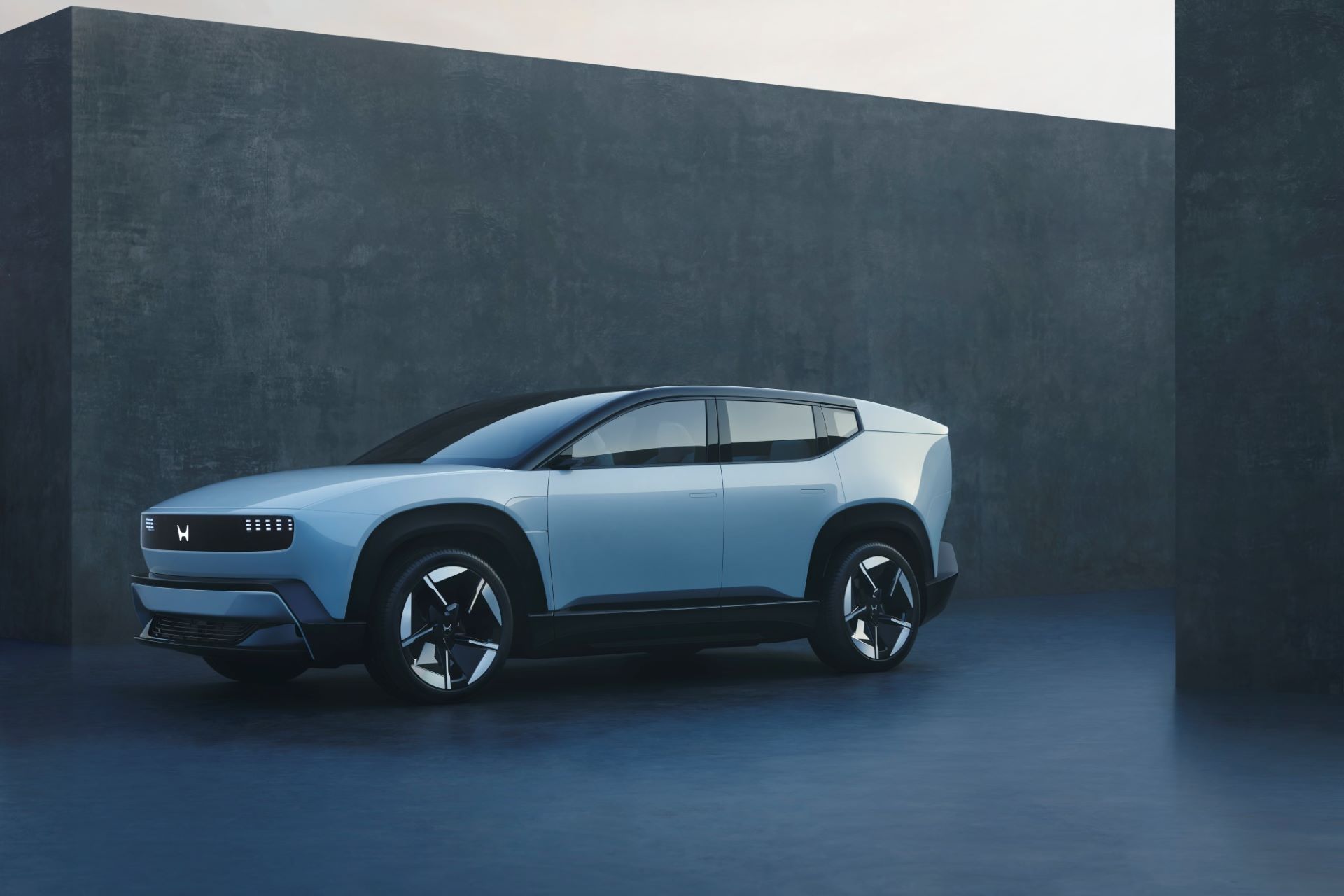
Honda plans to scale this E2E technology across its broader vehicle lineup, developing a system that assists with accelerator and steering operations throughout entire routes without distinguishing between regular roads and highways. The technology is set to debut in Honda's upcoming 0 Series electric vehicles, launching in 2026, with mass production planned for after 2027.
"This joint development supports Honda's goal of realizing safe and affordable automated driving technologies for our global customers," said Mahito Shikama, vice president of Software Defined Vehicle Business Supervisory Unit at Honda Motor. "Through our collaboration with Helm.ai, we are advancing the development of AI technologies that enhance the real-world applicability of autonomous driving systems, bringing us closer to a future with zero traffic collision fatalities."
Honda began investing in Helm.ai in 2021 and later participated in the startup's Series B financing round, which raised $30 million. Helm.ai has raised $102 million to date and represents Honda's strategic move to tap Silicon Valley innovation for autonomous driving development.