Despite growing complaints about blinding headlights, new research reveals that glare plays a surprisingly minor role in night-time accidents. According to a study from the Insurance Institute for Highway Safety in the USA, headlight glare contributed to just one or two out of every thousand night-time crashes between 2015 and 2023 across eleven states.
"Although it can certainly be uncomfortable, headlight glare contributes to far fewer crashes than insufficient visibility," said IIHS President David Harkey. The findings challenge the perception that modern headlights have created a dangerous situation on American roads.
The Headlight Revolution
Since IIHS launched its headlight rating programme in 2016, the automotive industry has undergone a significant transformation. The programme evaluates both visibility and glare, pushing manufacturers to improve headlight design and aim. LED technology has become increasingly common, though the ratings themselves remain technology-neutral.
The results have been dramatic. In 2016, only one of over eighty headlight systems tested earned a good rating. By 2025, that figure jumped to approximately 51 per cent. Meanwhile, poor and marginal ratings plummeted from 82 per cent to just 16 per cent.
This improvement has delivered real safety benefits. Vehicles with good-rated headlights experience 19 per cent fewer night-time single-vehicle crashes and 23 per cent fewer night-time pedestrian crashes compared to those with poor-rated systems.
Who's Most Affected?
Yet the glare rate has remained essentially flat throughout this period of headlight improvement. In fact, the highest glare rate occurred in 2015, with the lowest in 2020.
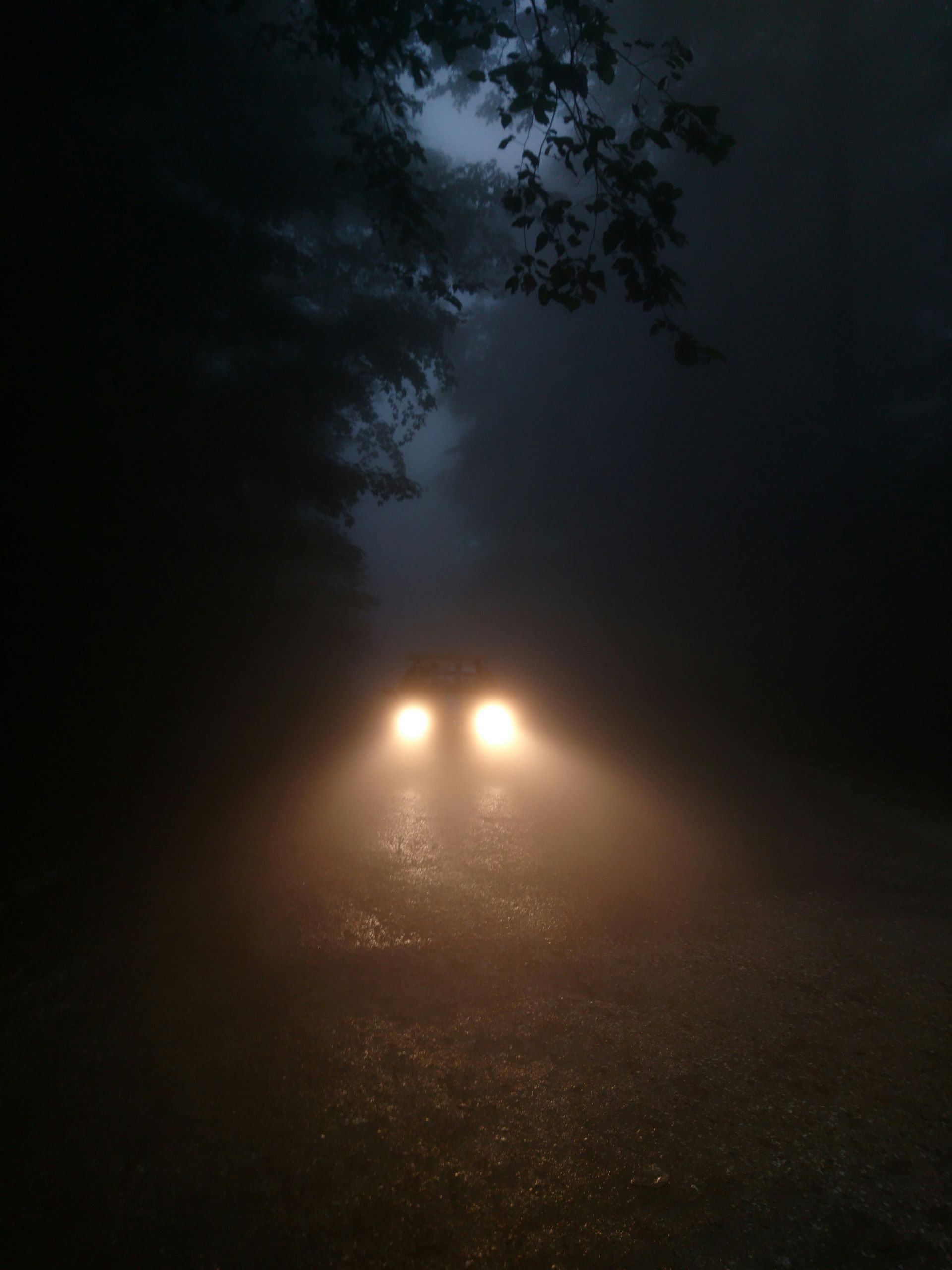
The data reveals interesting patterns about glare-related crashes. They occur more frequently on wet roads and local, undivided two-lane streets with lower speed limits. Most involve single vehicles running off the road after the driver is affected by glare from an oncoming vehicle that isn't involved in the crash itself.
Age appears to be a significant factor. Drivers over 70 show increased vulnerability to glare-related crashes, whilst those between 55 and 60 don't display elevated risk. Researchers suggest that newer vehicles' improved visibility may help their drivers better cope with oncoming glare, similar to how headlights appear less bright during daylight hours.
Looking Ahead
The industry has made notable progress reducing excessive glare. In 2017, 21 per cent of tested headlights produced excessive glare; by 2025, only 3 per cent did. IIHS standards prevent any headlight system producing excessive glare from earning top ratings.
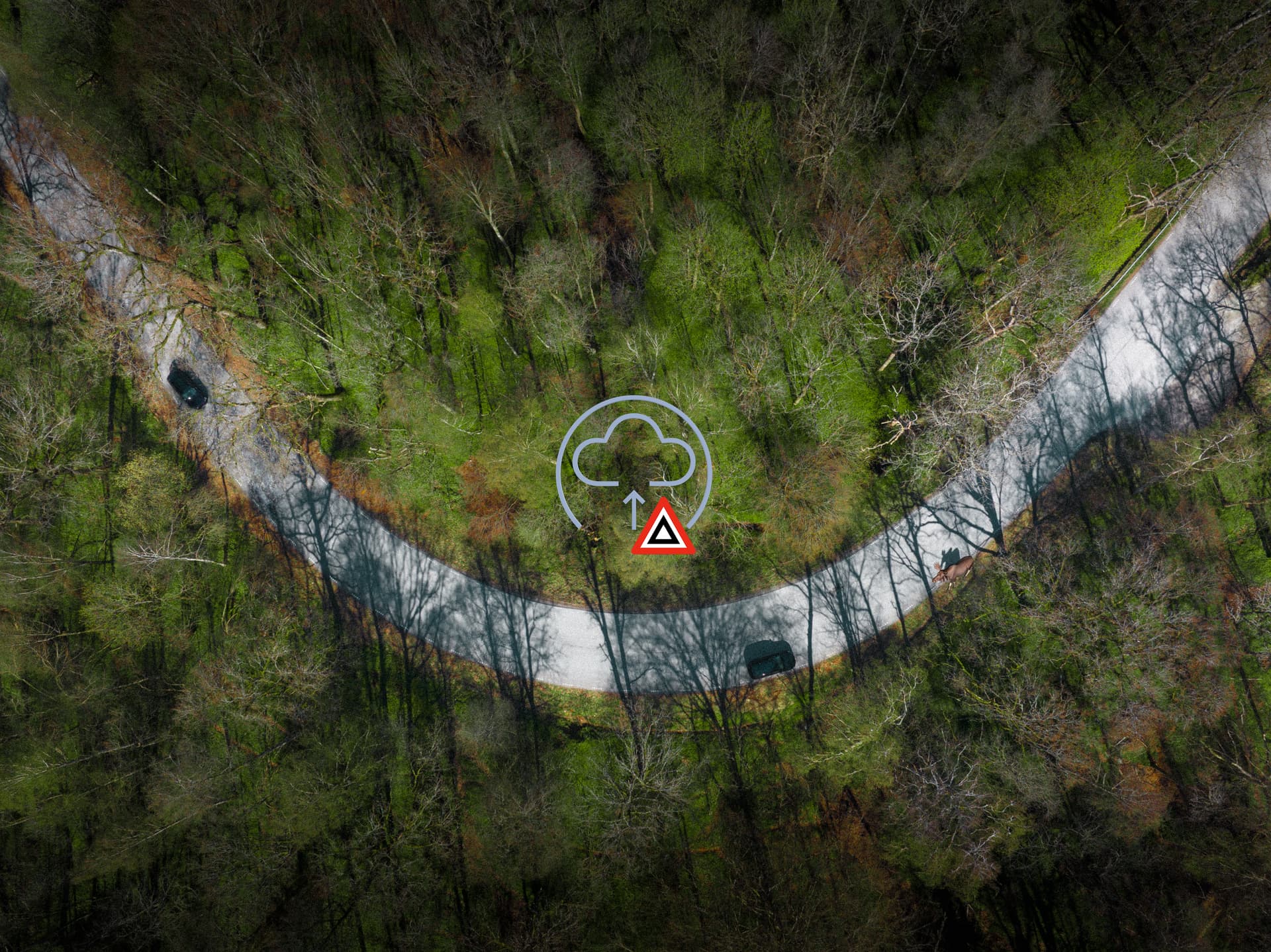
Still, opportunities for improvement remain. Enhanced lane markings and in-vehicle lane departure systems could prevent the majority of glare-related crashes. High-beam assist technology, which automatically dims high beams when detecting oncoming traffic, addresses the problem of drivers failing to switch manually.
Adaptive driving beam technology represents the most promising advancement. These systems selectively dim only the portions of the beam aimed at other vehicles whilst maintaining full illumination elsewhere. Common in Europe for over a decade, regulatory complications have prevented their adoption in the United States, despite federal approval beginning in 2022.
Whilst glare may be uncomfortable for many drivers and particularly challenging for those with certain vision conditions, the evidence suggests that improved headlight technology has made roads safer overall without increasing glare-related crashes.
#headlightglare