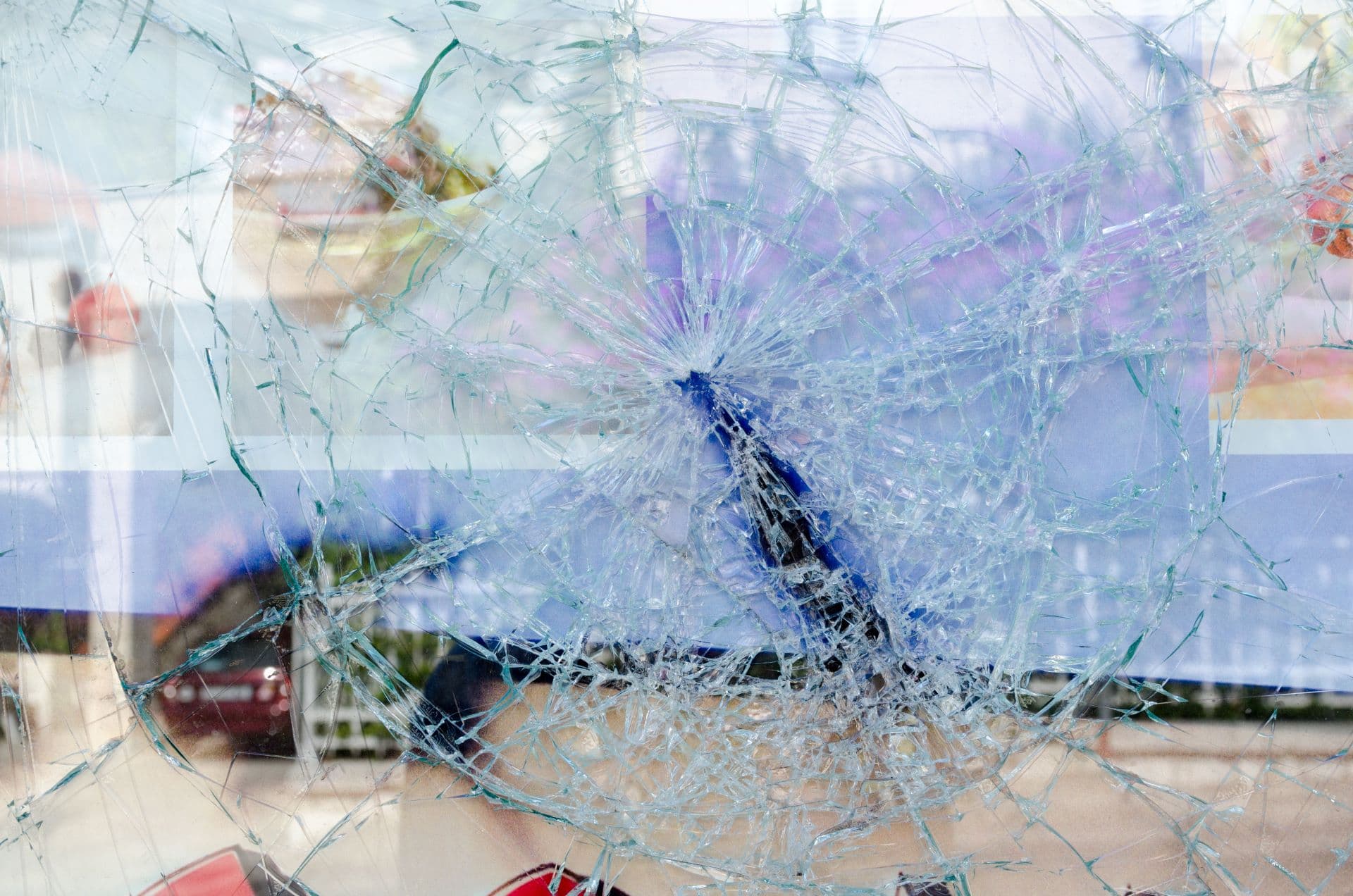
Two of South Africa’s major automotive glass suppliers, PG Glass and Glasfit, are facing prosecution after the Competition Commission referred a complaint to the Competition Tribunal alleging that the companies colluded to fix prices for more than two decades.
According to the Commission, both firms are accused of coordinating annual price increases for laminated and toughened automotive glass supplied to motorists and insurance companies since 2004, raising serious concerns over anti-competitive behaviour in a market relied upon by millions of vehicle owners.
Investigations by the Commission uncovered what it describes as a longstanding arrangement between the two companies to raise prices by the same percentage each year, a pattern considered inconsistent with independent market conduct. Evidence indicates that the firms communicated with one another about these increases before implementing them in parallel. Regulators argue that the practice undermined fair competition and kept repair costs artificially high.
Competition Commissioner Doris Tshepe described automotive glass as part of an important industrial intermediary sector and said dismantling the alleged cartel would help secure more equitable pricing for consumers and insurers. She noted that the behaviour, if proven, would constitute a direct contravention of section 4(1)(b)(i) of the Competition Act, which prohibits price fixing among competitors.
The Commission has asked the Tribunal to declare the conduct unlawful and to impose an administrative penalty of up to 10 per cent of each company’s turnover, one of the most severe sanctions available under South African competition law. Should the Tribunal find against the companies, affected consumers may also pursue damages claims in the High Court once a ruling is issued.
PG Glass, one of the country’s oldest and most established glass manufacturers, and Glasfit, founded in the late 1980s, are both prominent players in the market for automotive glass distribution and fitment. Their dominance has heightened the significance of the allegations, with watchdogs and industry observers noting the potential financial impact on motorists who must replace windscreens or windows after accidents or damage.
The case now moves to the Competition Tribunal, where both companies will have the opportunity to respond to the claims as the long running investigation enters a decisive phase.
Additional reporting: IOL, My Broadband, EWN, Daily Maverick