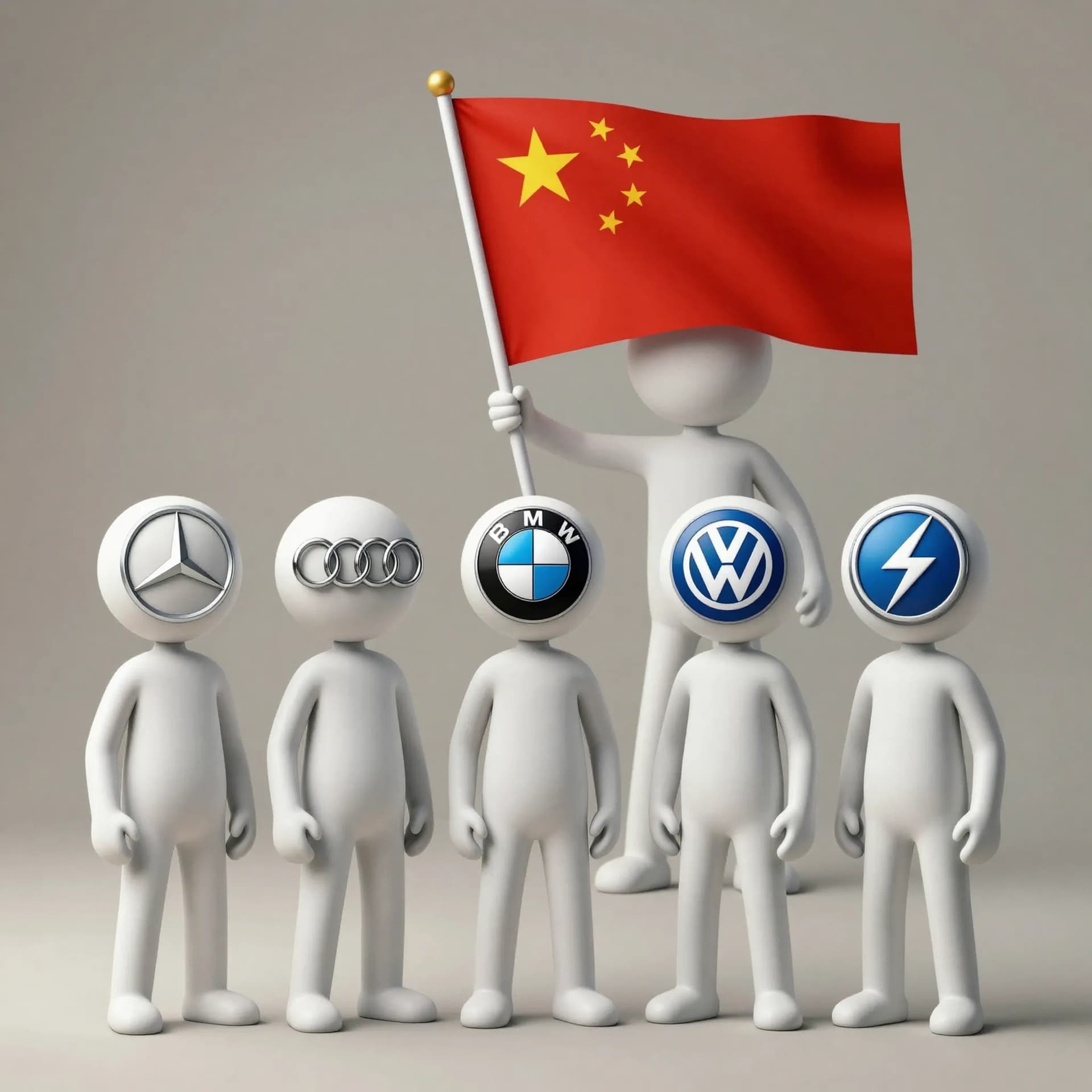
According to the Deloitte Global Automotive Consumer Study 2026, the global automotive landscape is undergoing a deep structural shift that is particularly evident in the contrasting trajectories of Germany and China.
Long regarded as the stronghold of engineering excellence and brand loyalty, the German market is losing many of the advantages that once protected its domestic manufacturers. At the same time, China is rapidly establishing itself as a premium, innovation led automotive market with growing global influence.
The erosion of loyalty in Germany
Deloitte’s research shows that German consumers are no longer instinctively loyal to home grown brands. Economic pressure and rising vehicle prices have made buyers far more price conscious, with purchasing decisions increasingly driven by tangible value rather than heritage or reputation. German consumers are keeping vehicles for longer, delaying new purchases and comparing offers across brands more aggressively than before.
This shift has undermined the traditional premium positioning of German manufacturers in their home market. Engineering pedigree alone is no longer sufficient to command higher prices, forcing brands to compete on discounts and incentives.
From premium stronghold to discount market
One of the most striking findings in the Deloitte study is Germany’s emergence as a discount driven automotive market. Price reductions have become central to closing sales, particularly in the electric vehicle segment where high costs, infrastructure concerns and uncertainty around resale values continue to suppress demand.
Electric vehicles have not delivered the mass market breakthrough many manufacturers anticipated. To stimulate uptake, heavy discounting has become common practice, eroding margins and weakening brand equity in the process.
China’s rise as a premium technology market
In contrast, Deloitte identifies China as an increasingly premium automotive environment. Chinese consumers display strong enthusiasm for advanced technology, digital integration and software driven features. They are willing to pay more for vehicles that deliver innovation, connectivity and personalisation.
Chinese manufacturers have capitalised on this demand by combining competitive pricing with high levels of specification and rapid innovation cycles. In China, premium status is defined less by mechanical refinement and more by user experience, software capability and ongoing digital upgrades.
Software divides global markets
Deloitte highlights a clear regional divide in attitudes towards software. In China and broader Asian markets, software is viewed as central to vehicle value. Features such as over the air updates and integrated digital ecosystems are expected rather than optional.
European consumers, including those in Germany, remain more focused on traditional attributes such as build quality and driving comfort. This divergence places German manufacturers at a disadvantage in China, where local brands are often more agile and digitally advanced.
Lessons for South Africa
The findings carry important implications for South Africa. Like Germany, South Africa has a strong legacy manufacturing base and long established dealer networks. However, the German experience demonstrates the danger of assuming brand loyalty will endure without clear value delivery.
South African consumers are already showing increased price sensitivity and a greater willingness to consider Chinese brands offering strong specifications at competitive prices. The core lesson from Deloitte’s analysis is that adaptability, transparency and consumer aligned innovation are becoming more important than legacy strength alone.