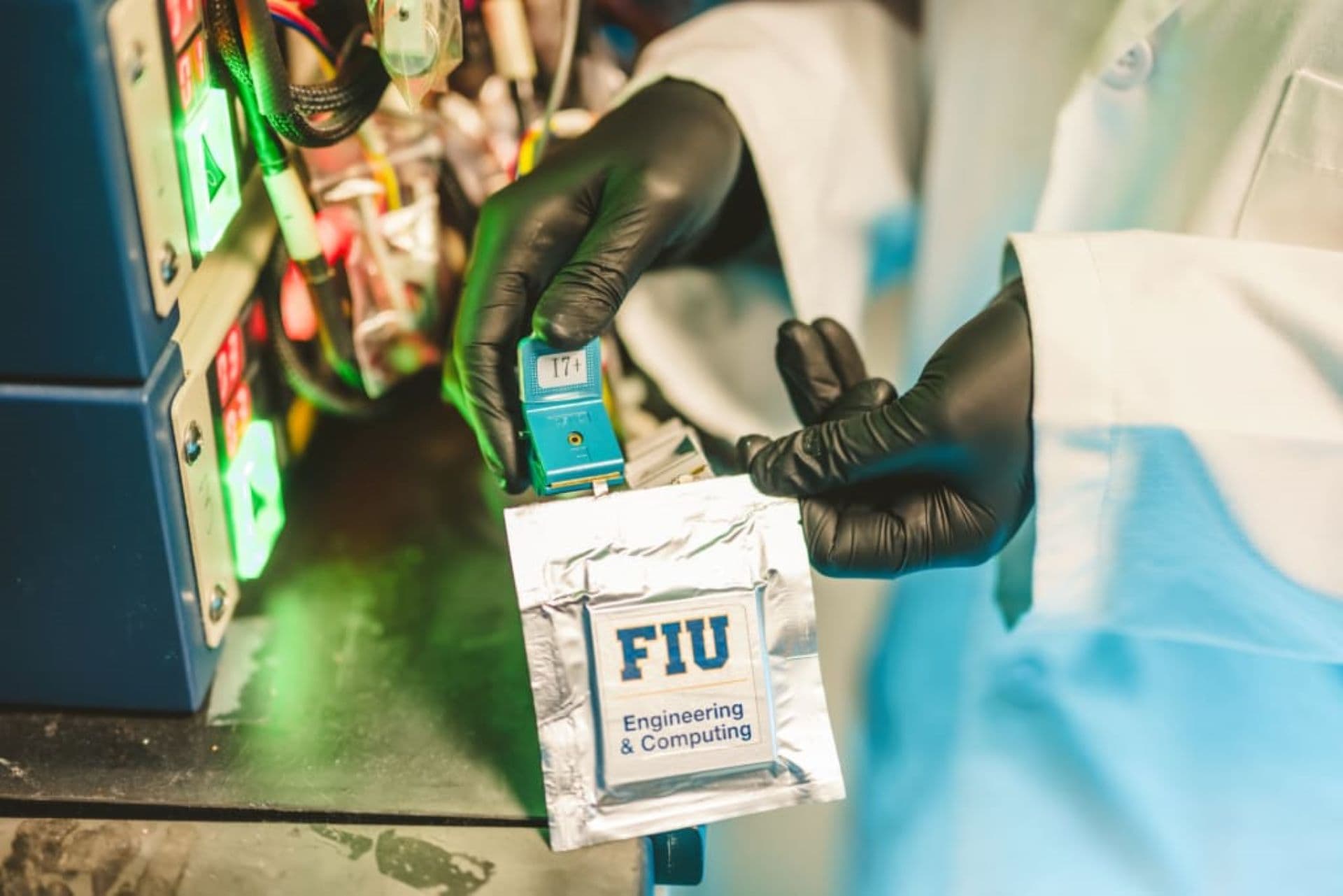
Scientists at Florida International University (FIU) have developed a next-generation lithium-sulfur battery that could dramatically extend electric vehicle (EV) range and battery life — solving a major hurdle in EV adoption.
Lithium-sulfur batteries are lighter, cheaper, and have higher energy density than traditional lithium-ion batteries. However, their rapid degradation after just 50 charge cycles has limited widespread use. FIU's Battery Research Lab discovered a way to improve battery lifespan, making them a more practical option for EVs and electronic devices.
"We've spent eight years solving this puzzle," said Bilal El-Zahab, associate professor at FIU’s College of Engineering & Computing. "It's exciting to finally see these batteries perform so well."
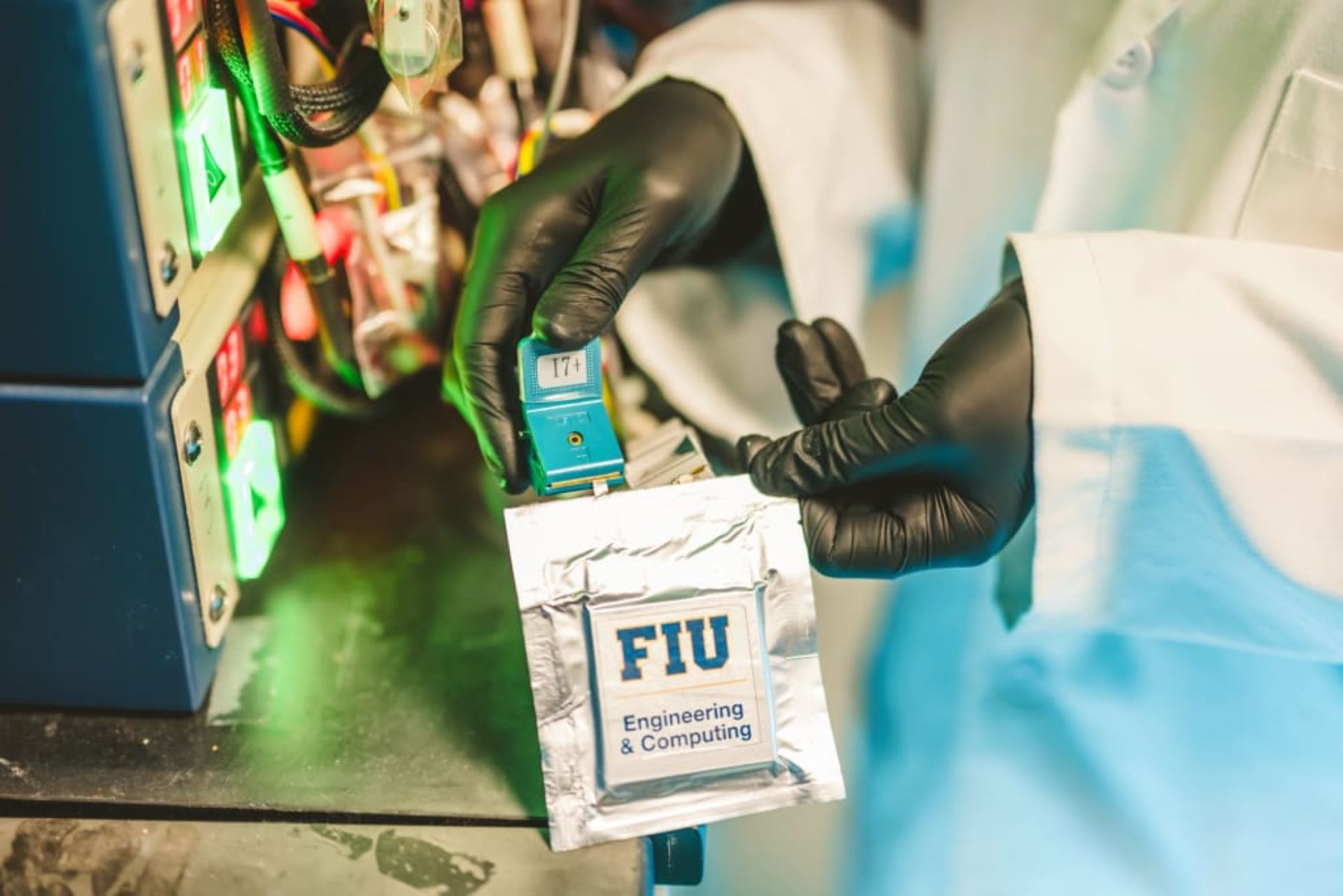
The breakthrough involves adding platinum nanoparticles — only 0.02% of the battery's makeup — to the sulfur electrode. This small change significantly improves battery stability and extends its life. Recent tests showed 92% capacity retention after 500 charge cycles, meaning the battery stays nearly as efficient as when it was new.
Lithium-sulfur batteries typically degrade due to polysulfides, chemical compounds that form a mossy buildup and reduce efficiency. The platinum nanoparticles guide lithium flow, minimizing these harmful reactions.
"It's like adding a pinch of salt to food — a tiny amount makes a big difference," El-Zahab explained.
FIU’s battery is now undergoing third-party testing for potential licensing and commercialization. If adopted, this technology could transform the EV industry by offering longer-lasting, more reliable batteries, helping reduce range anxiety and making electric vehicles more practical for consumers.