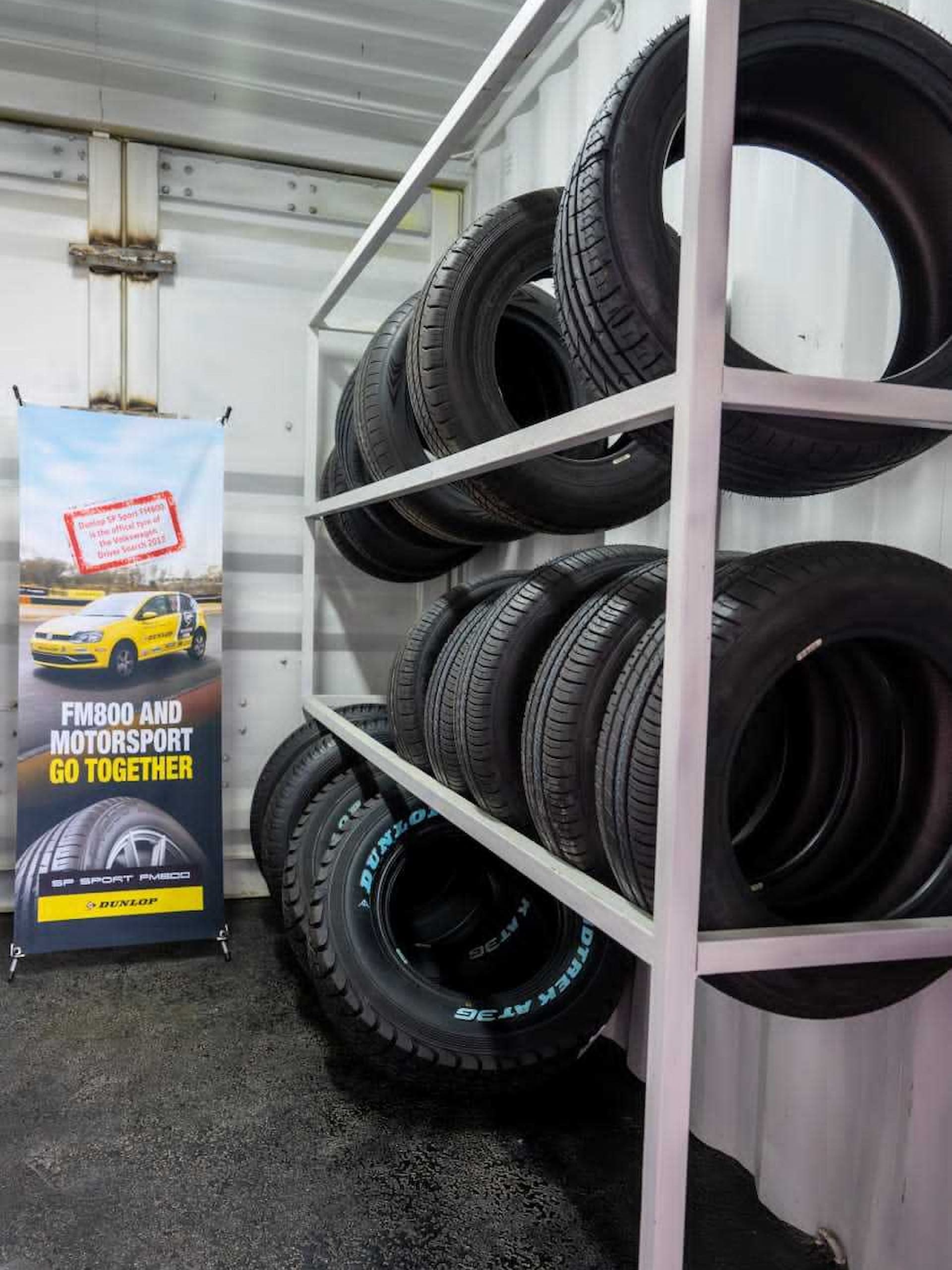
The significant role tyres play as a major factor in road accidents, cannot be emphasised enough.In 2021 a road safety report by South African tyre manufacturers reveals that 41% of road accidents happen because of a burst tyre. A further 15% of accidents are caused by smooth tyres.TEPA (Tyres, Equipment, Parts Association) vice chairperson Les Richardson says these stats are a symptom of a lack of maintenance and ignorance of the road safety standards.As the only parts of a vehicle in direct contact with the road, tyres have a very important role to play in how your car performs on the road, he says. Neglecting maintenance and warning signs is asking for trouble – unfortunately, this could be fatal too.“With that in mind, why would you willing compromise your safety and those around you with worn or second-hand tyres that you do not know the history of?”According to Les, many tyres sold on the side of the road have been illegally imported or written off by the previous owner.“This tyre has around 8mm of tread depth at new. The legal limit is 1,5 mm of remaining tread depth. So, if you buy a used tyre with 2-3 mm of tread remaining, for more or less R200 to R250, it is a very expensive 1-2 mm of tread you are paying for.“If the tyre casing has been re-grooved, the integrity of the casing could be impaired, and this could result in a weaker structure or even a slow leak. Older tyres also develop cracks that air can escape from.“With regard to burst tyres, he says most tyres burst as a result of under inflation due to a slow leak or not checking the pressure regularly. With the state of our roads, it is easy to pick up a nail or something similar and these are prime culprits of slow leaks you may not notice for days.“When a tyre is softer, it causes the tyre wall to flex every time the wheel rotates. This constant flexing causes heat build-up, and the hot rubber gets softer until it meets a hard object in the road, or while cornering, simply flexes too much and separates from the rim or in extreme cases, simply fails and bursts.
“In wet conditions, the tread pattern of a tyre is designed to reduce the water from the surface to enable better contact between the tyre and the road. Less tread means that this is not performed as designed and leads to aquaplaning, or the tyre not gripping the road.“The result is that the tyre floats over the water with no control from the driver. A bald tyre simply makes the problem worse,” Les explains.He adds that you should not brake if the car starts aquaplaning. Ease off the accelerator until control is regained, then slow down and continue at a safe speed.“Avoid buying tyres from informal dealers. It will be too late for regret when you suddenly realise your braking is compromised or your car cannot handle a wet road - or you get pulled over by traffic officials.“Do not let your ‘good deal’ tyres end up costing you a good deal of money in car repairs or, worse still, medical bills. For total peace of mind when you get behind the steering wheel, visit a TEPA partner for recommended tyres and have them fitted and balanced professionally.”