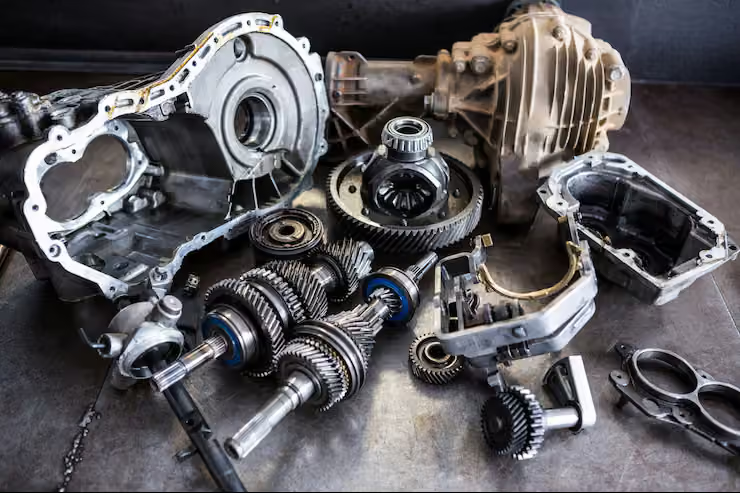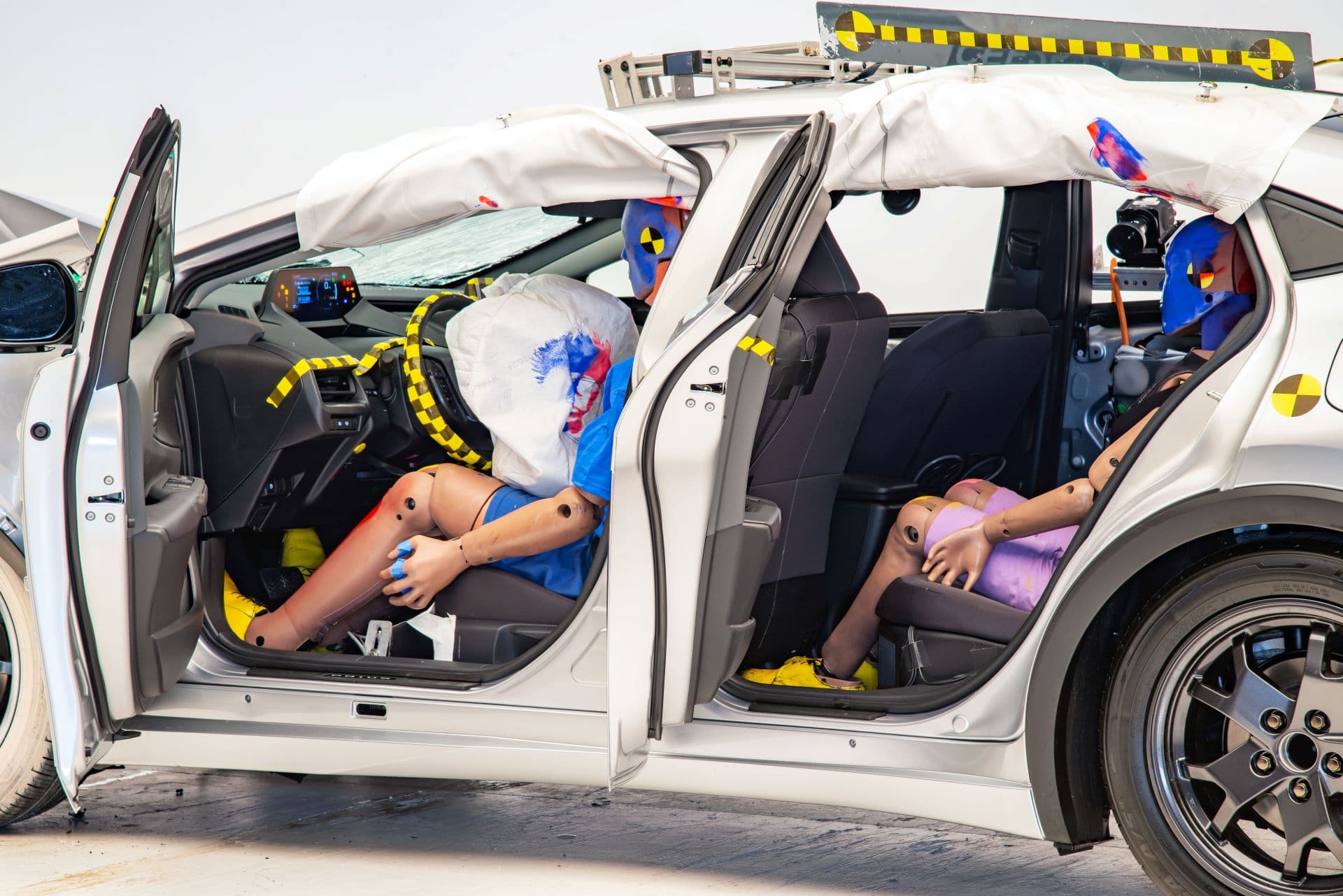
Euro NCAP stands as the world's most influential vehicle safety assessment programme, setting standards that extend far beyond European borders. For South African collision repair professionals, Euro NCAP's protocols shape the safety technologies and structural designs encountered in workshops daily.
Historical FoundationEstablished in 1997, Euro NCAP emerged from a collaboration between European governments, motoring organisations, and safety advocates. The programme's mission was simple yet revolutionary: provide independent, comparable vehicle safety information to consumers whilst driving manufacturer improvements.
Global InfluenceEuro NCAP's impact transcends geographical boundaries. Many global manufacturers design vehicles to meet Euro NCAP standards regardless of intended markets, recognising the programme's credibility and influence. This approach benefits South African consumers, as locally sold vehicles often incorporate Euro NCAP-driven safety features.
Comprehensive TestingThe programme employs sophisticated testing protocols including frontal offsetimpacts at 64km/h, side impacts at 50km/h, and pole tests at 32km/h. Euro NCAPalso evaluates pedestrian protection, whiplash prevention, and Advanced DriverAssistance Systems (ADAS) through detailed real-world scenario testing.Recent protocol updates include enhanced autonomous emergency brakingassessments, lane-keeping assistance evaluation, and improved child safety testing. These developments reflect Euro NCAP's commitment to addressing emerging safety challenges.
Star Rating SystemEuro NCAP's five-star rating system has become the global standard for safetycommunication. Ratings consider Adult Occupant Protection (40%), Child OccupantProtection (20%), Vulnerable Road User Protection (20%), and Safety Assisttechnologies (20%). This weighted approach ensures comprehensive safetyevaluation.
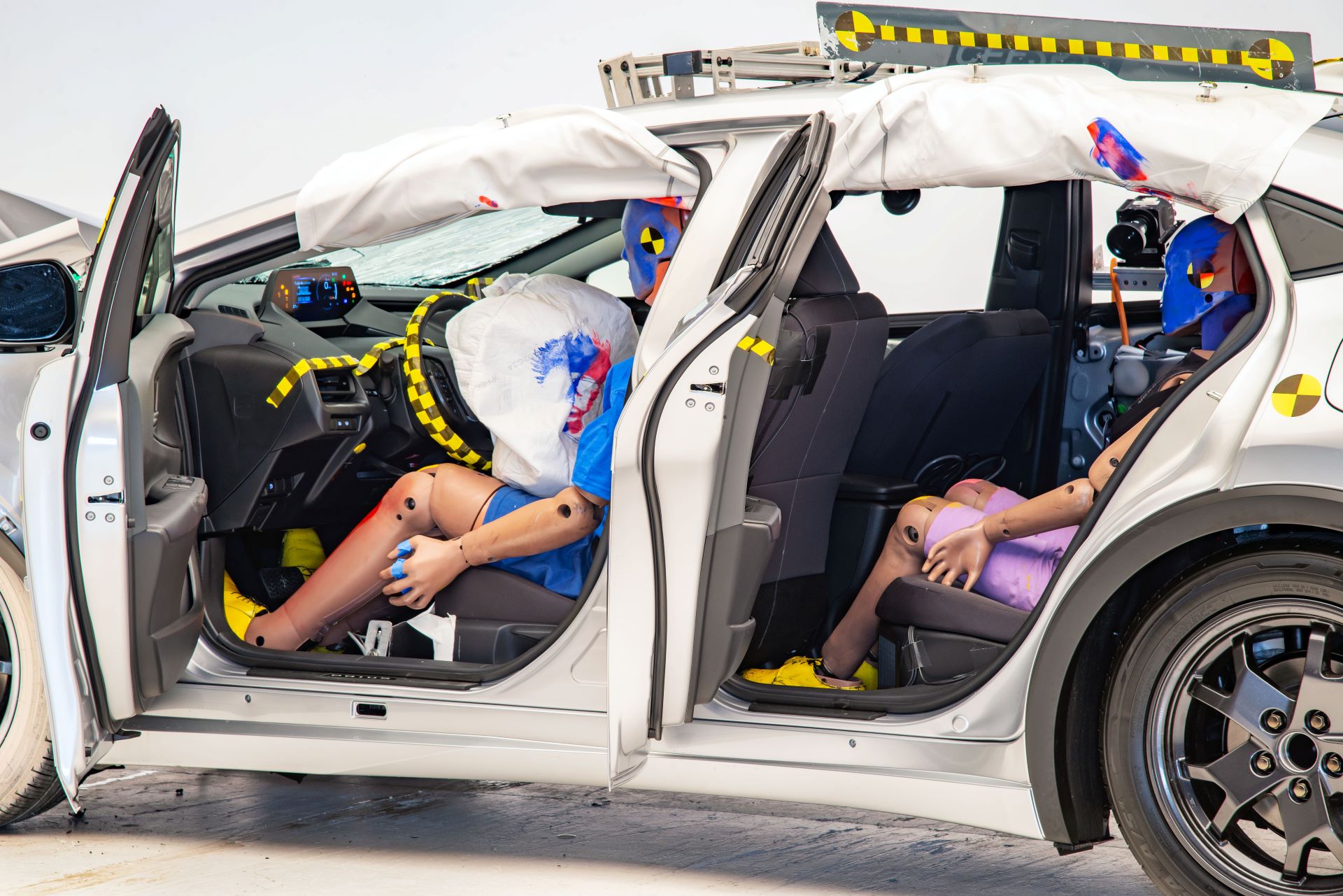
Manufacturing ImpactEuro NCAP's stringent requirements have revolutionised vehicle design.Manufacturers routinely invest millions in meeting programme standards, resulting in advanced high-strength steel structures, sophisticated airbag systems, andintegrated safety technologies becoming mainstream features.
Collision Repair Implications
For repair professionals, Euro NCAP's influence means encountering increasinglycomplex vehicle architectures. These vehicles feature advanced materials requiringspecialised joining techniques, sophisticated sensor systems needing precisecalibration, and structural designs demanding exact repair procedures to maintainsafety integrity.
The programme's emphasis on crash energy management creates vehicles with intricate crumple zones and load path designs. Understanding these features is essential for proper repair execution and maintaining post-repair safety performance.
Future Developments
Euro NCAP continues evolving, with planned protocol updates addressingautomated driving systems, improved vulnerable road user protection, and enhanced post-crash safety measures. These developments signal ongoing industry transformation towards increasingly sophisticated vehicle safety systems.
Euro NCAP's role as the global benchmark ensures its continued influence onvehicle safety worldwide, directly impacting South African repair facilities throughadvanced safety technologies and complex repair requirements.