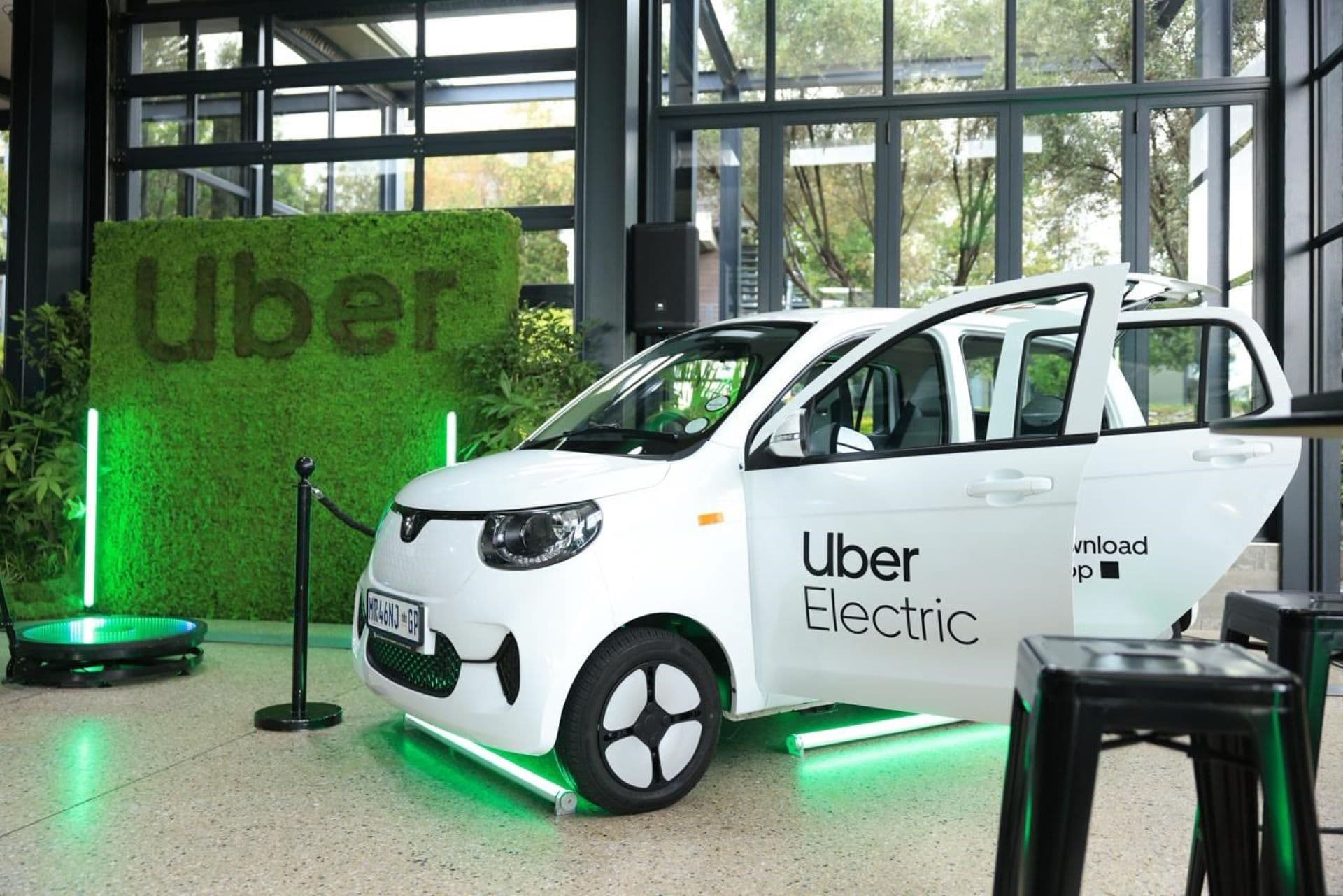
The introduction of Uber Go Electric marks a new chapter for Uber as it broadens its focus on affordable and sustainable mobility in South Africa. With Uber Moto already helping thousands of people reach work, education and healthcare facilities, Uber has now added an electric product aimed at both economic and environmental improvement.
According to Deepesh Thomas, General Manager for sub-Saharan Africa at Uber, the company is building mobility that works for the daily needs of South Africans. Uber Moto has played a significant role in addressing transport poverty by supporting short and essential trips that help people connect with wider opportunities. Uber hopes that Uber Go Electric will enhance this progress further.
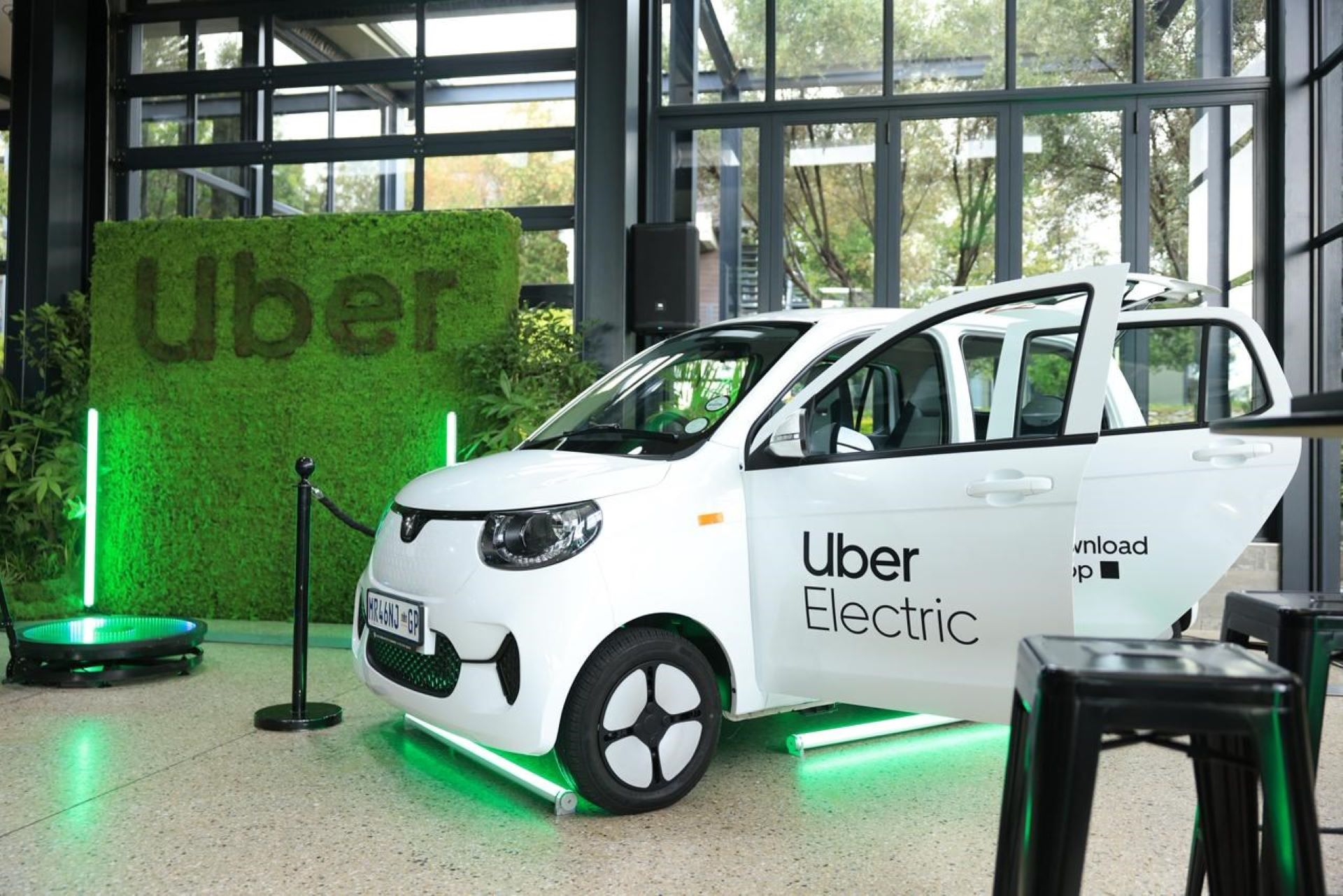
Uber Go Electric is operated with Valternative, which handles charging, servicing and fleet operations. The model aims to help drivers avoid the financial strain that comes with fuel costs. Drivers may benefit from fewer mechanical challenges and the ability to manage their income with greater predictability.
Riders are expected to enjoy a smoother and quieter trip, while cities stand to benefit from lower emissions as more electric mobility options enter the market. Mohamed Jeewa, CEO of Valternative, says the intention is to remove friction from daily cash flow and create an all-inclusive environment that can help drivers increase their nett earnings.
Uber also works with Africa Moova, giving the business strong links to community-based taxi associations. Together these efforts support the goal described by Thomas: to build mobility that is accessible, sustainable and proudly built for Mzansi.
Staff Writer
Reporting from the front lines of the collision repair industry, delivering expert analysis and the technical updates that drive the African automotive sector forward.
More From News

EU’s New Driver-Warning Rules Put Attention Back on the Road
New European Union safety regulations require all newly registered passenger cars and vans to include driver distraction warning systems, introducing technology aimed at improving road safety while placing strong emphasis on driver privacy.

South Africa’s SEZ Programme Draws R14.8bn as Government Pushes New Industrial Growth Phase
South Africa’s Special Economic Zones programme has generated R14.8 billion in revenue and supported the creation of more than 30,000 jobs, according to Deputy President Paul Mashatile.

American Analysis Finds U.S. Drivers Involved in Collision Every 10 Years
A new analysis by Allstate found that U.S. drivers are involved in a collision on average once every 10.86 years, with crash risk varying significantly between American cities.

Gauteng sharpens its manufacturing skills drive with new Centre of Excellence
Gauteng has relaunched the Gauteng Automotive Learning Centre as the Manufacturing Centre of Excellence to prepare workers for the future of advanced manufacturing and New Energy Vehicle technologies.

New Era for Prospecton Plant
Toyota’s latest Hilux investment signals renewed confidence in South African manufacturing, strengthening local production, suppliers and long-term industrial competitiveness.

Preparing South Africa’s Workforce for Automotive Change
A joint NAACAM and ILO study warns that South Africa must accelerate skills development to prepare its automotive workforce for the transition to new energy vehicles and advanced manufacturing technologies.