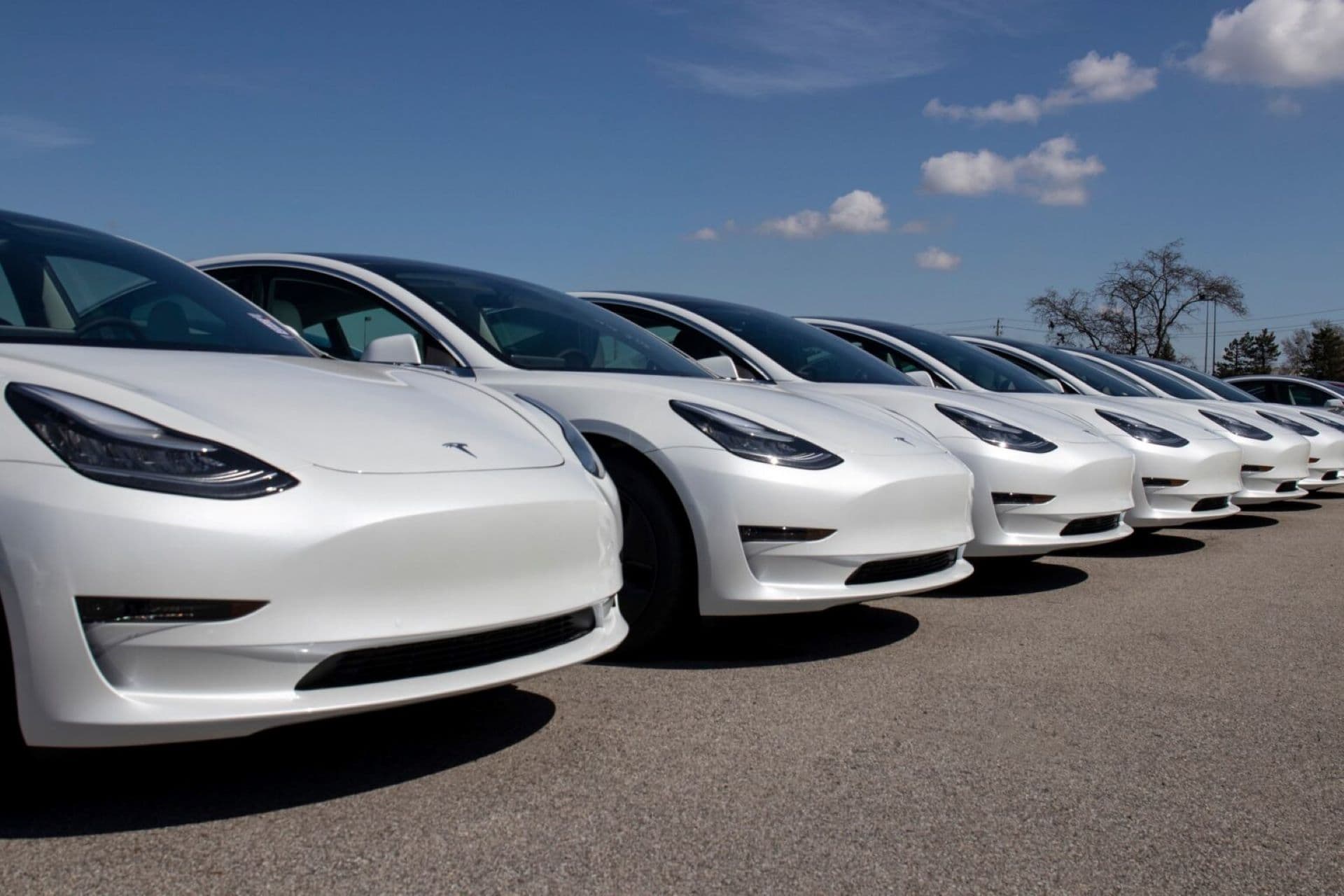
Battery electric vehicle acceptance is stagnating in most world markets while interest in internal combustion engine and hybrid vehicles is growing, according to Deloitte’s 2025 Global Automotive Consumer Study.
Japanese consumers have the lowest preference for battery electric vehicles when considering their next purchase (three per cent). China has the highest at 27 per cent, almost twice as much as the next highest-ranking country, Germany (14 per cent).
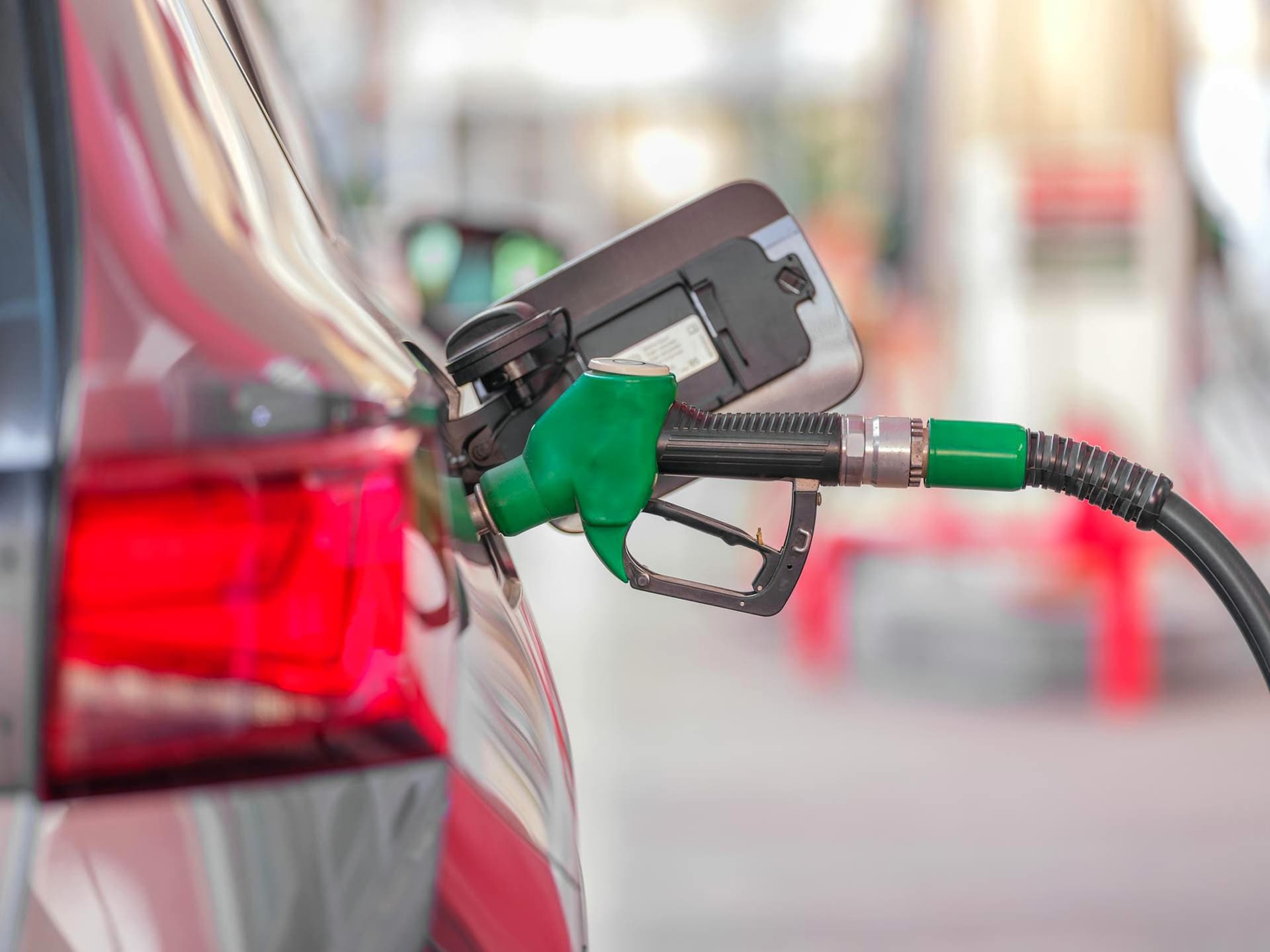
The US has the greatest preference for internal combustion engines (62 per cent), followed by India (54 per cent) and South-East Asia (53 per cent).
Japan has the highest preference for hybrid vehicles (35 per cent), ahead of South Korea (31 per cent) and the UK (24 per cent).
The report also found that many younger consumers are interested in mobility-as-a-service (MaaS) over vehicle ownership. Half of surveyed consumers in India, South-East Asia and the United States drive their vehicle every day, roughly twice the number of consumers in South Korea or Japan. However, a significant number of those aged 18 to 34 surveyed in those markets are at least somewhat interested in giving up traditional vehicle ownership in favour of a MaaS solution. In contrast, only one in three younger consumers in Germany would be willing to do so.
Deloitte said interest in autonomous vehicles is rising around the world, but consumer concerns remain. More than half of consumers surveyed in India, the United Kingdom and the United States are concerned about their safety, but the integration of artificial intelligence into vehicle systems to enable self-driving features is seen as largely beneficial, particularly in Asia-Pacific markets.
Vehicle brand defection is also rising among consumers who intend to purchase new cars, particularly in China where 76 per cent of surveyed respondents said they intend to switch brands. At the other end of the scale, Japanese drivers are proving more loyal with only 39 per cent looking to change brands.