-2.JPG&w=1920&q=75)
Hyundai Automotive South Africa continues to reaffirm its commitment to safety, quality and customer satisfaction through its Hyundai Approved Repairer Programme (HARP).
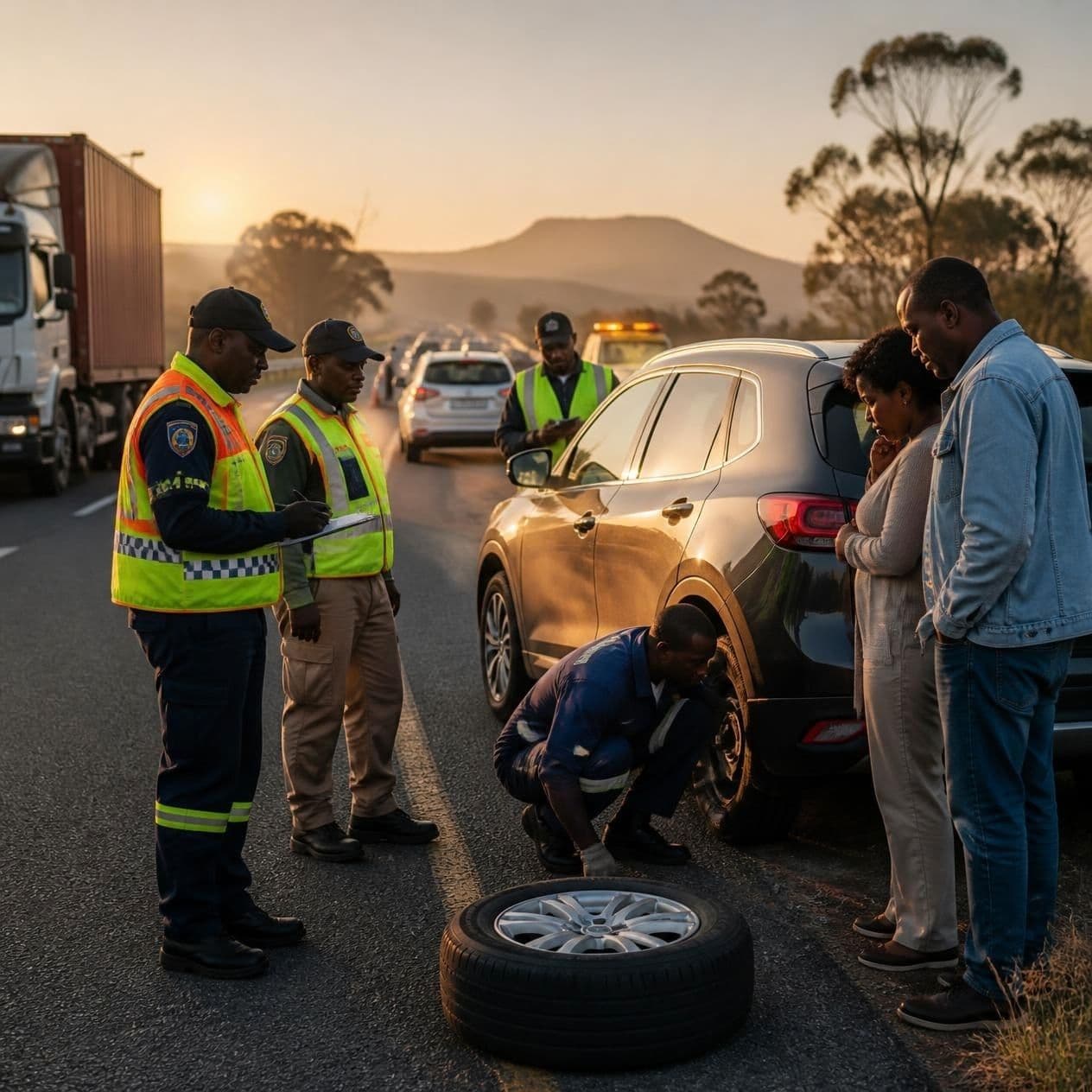
With growing concerns about the use of off-market vehicle parts, HARP aims to combat the trend of cutting corners by some vehicle owners and non-certified repair shops. These practices not only compromise the performance and safety of Hyundai vehicles but can also void warranties and lead to higher long-term repair costs.
.JPG)
-1.JPG)
Sam Matlhola, Parts Director at Hyundai Automotive South Africa, stressed the critical importance of adhering to the HARP standards. “Through HARP, Hyundai Automotive South Africa’s customers gain access to a national network of approved repairers, each vetted for compliance with our strict repair protocols.”
In addition to using 100% genuine parts, these facilities follow the manufacturer’s repair processes, ensuring vehicles maintain their performance, safety ratings and resale value.
“By insisting on approved repair centres and genuine parts, we are protecting our customers from risks associated with off-market components and non-compliant repairs.”
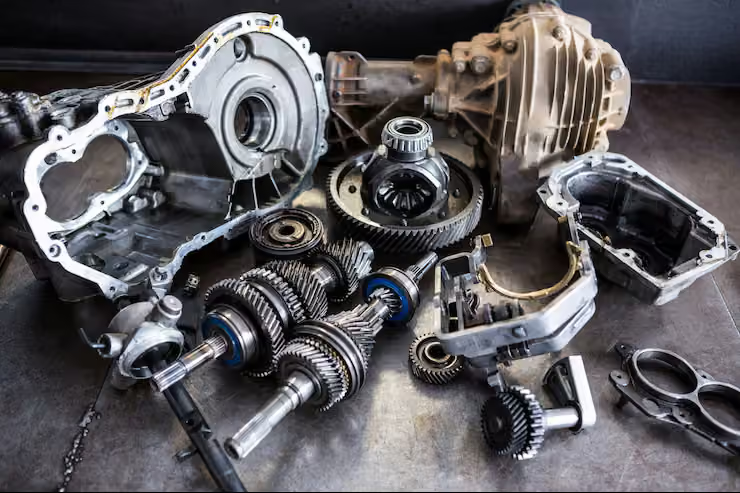
Every genuine Hyundai part is specifically designed and tested to match the exact specifications of each vehicle model. Any substandard part introduced into the vehicle’s system risks compromising not only performance but also critical safety features, durability and long-term reliability.
-2.JPG)
-3.JPG)
“As part of our commitment to customer satisfaction and operational excellence, as well as our excellent parts supply rate, 90% of all major structural vehicle repairs are completed within 30 days. This can also be attributed to Hyundai’s stringent Research and Development (R&D) quality protocols, which leave no room for error, thus reaffirming why only genuine parts should be used,” emphasised Stanley Anderson, CEO of Hyundai Automotive South Africa.
For more on the Hyundai Approved Repairer Programme or to find a certified repairer near you, visit www.hyundai.co.za or contact Hyundai Customer Care on 010 248 8085.