The China New Car Assessment Program (C-NCAP) represents the world's largest automotive market's commitment to improving vehicle safety standards. Conducted by the China Automotive Technology and research Center (CATARC), C-NCAP's evolution reflects China's transformation from a cost-focused to quality-oriented automotive market.
Market SignificanceAs the world's largest automotive market, China's safety standards carry global implications. C-NCAP's requirements influence not only domestic Chinese manufacturers but also international brands seeking success in this crucial market. For South African repair professionals, understanding C-NCAP helps anticipate safety features in Chinese vehicles entering our market.
Testing EvolutionC-NCAP has undergone significant protocol improvements since its 2006 inception.Initially criticised for being less rigorous than European or American standards, the programme has steadily enhanced its testing procedures to align with global best practices.
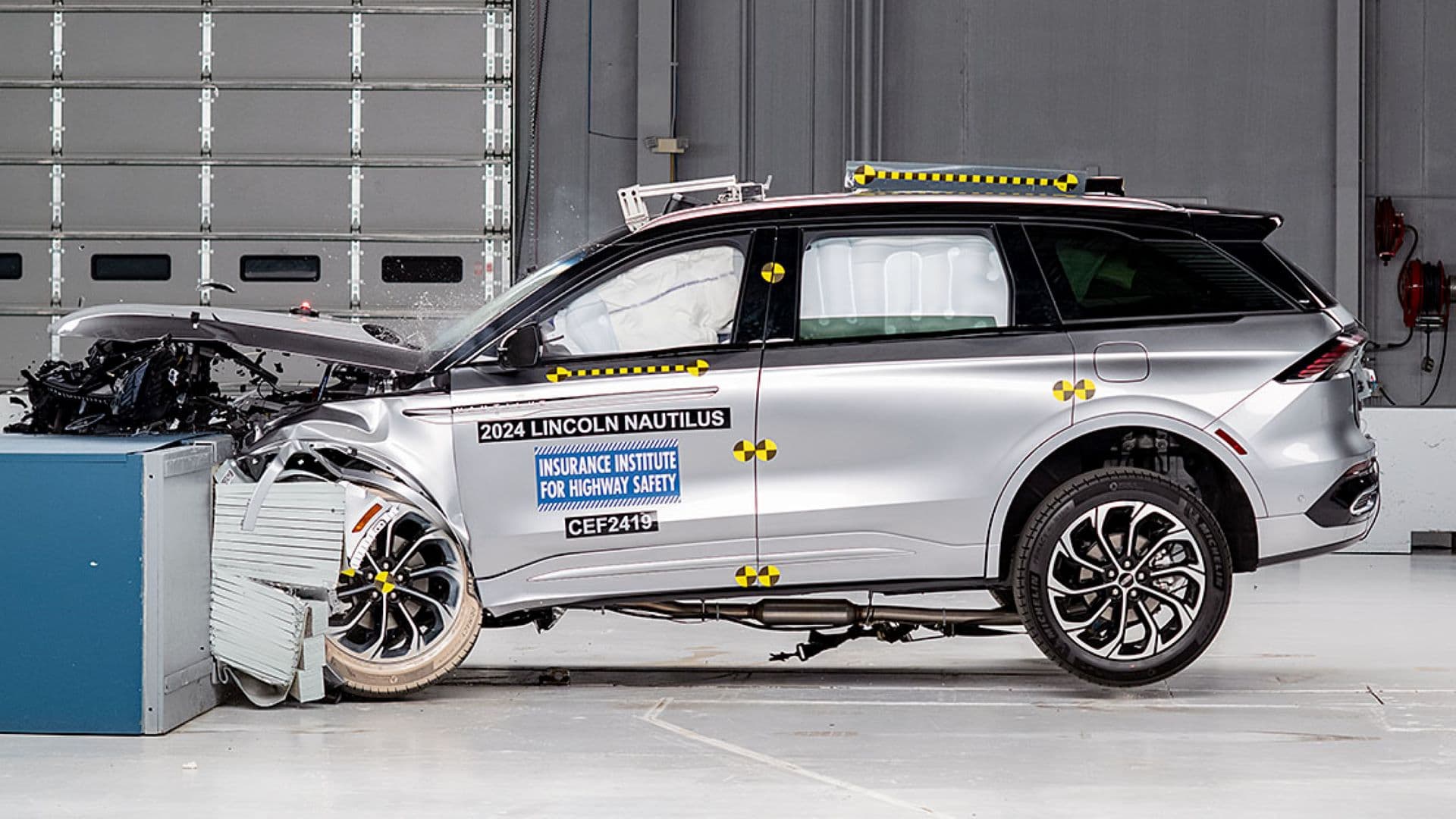
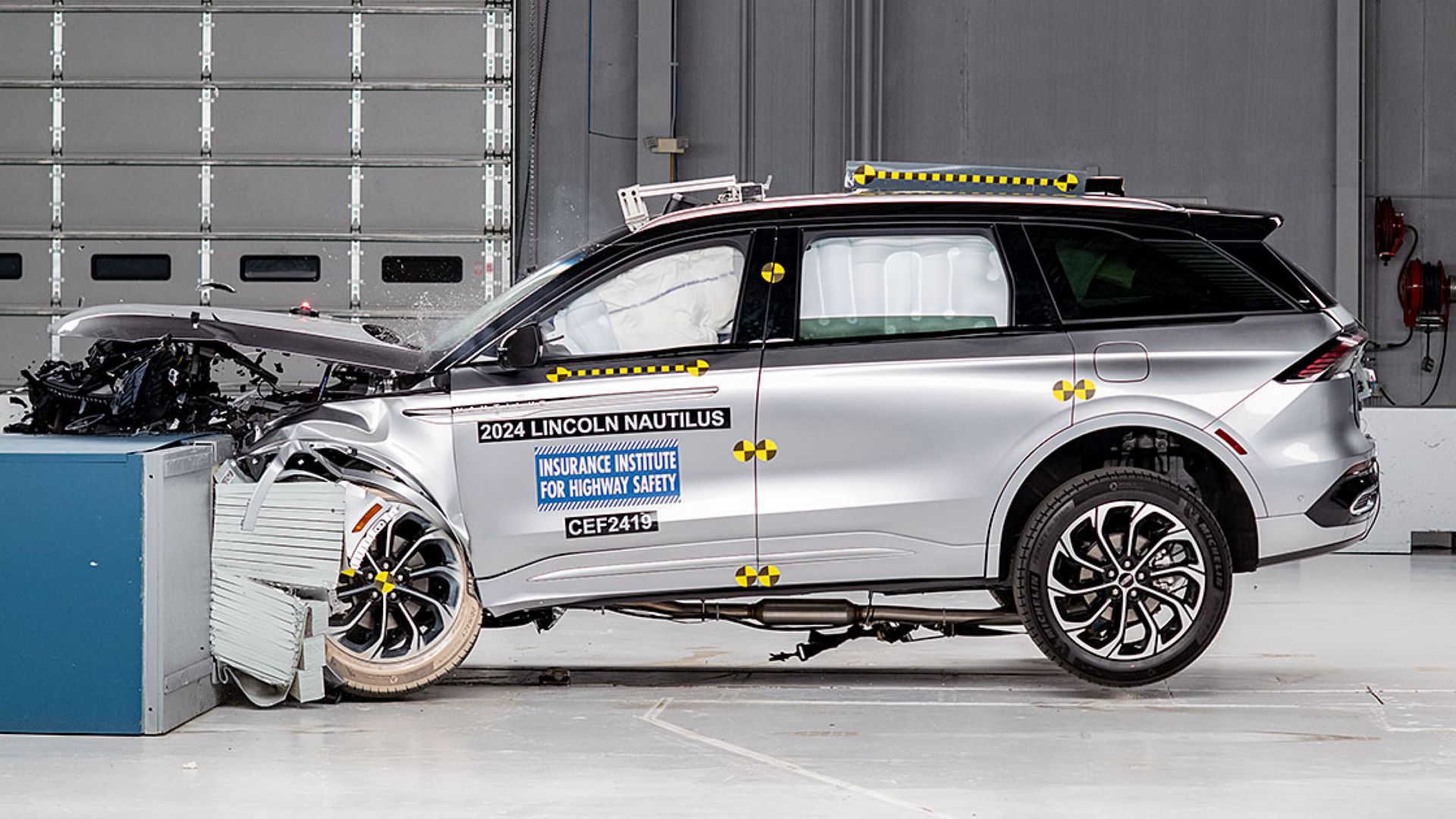
Current testing includes frontal offset crashes at 64km/h, side impacts at 50km/h, and comprehensive pedestrian protection assessments. Recent updates have introduced Advanced Driver Assistance Systems (ADAS) evaluation, reflecting China's push towards autonomous vehicle development.
Unique CharacteristicsC-NCAP incorporates testing scenarios specific to Chinese road conditions and traffic patterns, including specific assessments for electric vehicle safety. This focus on electric vehicle evaluation positions C-NCAP as a leader in addressing emerging automotive technologies.
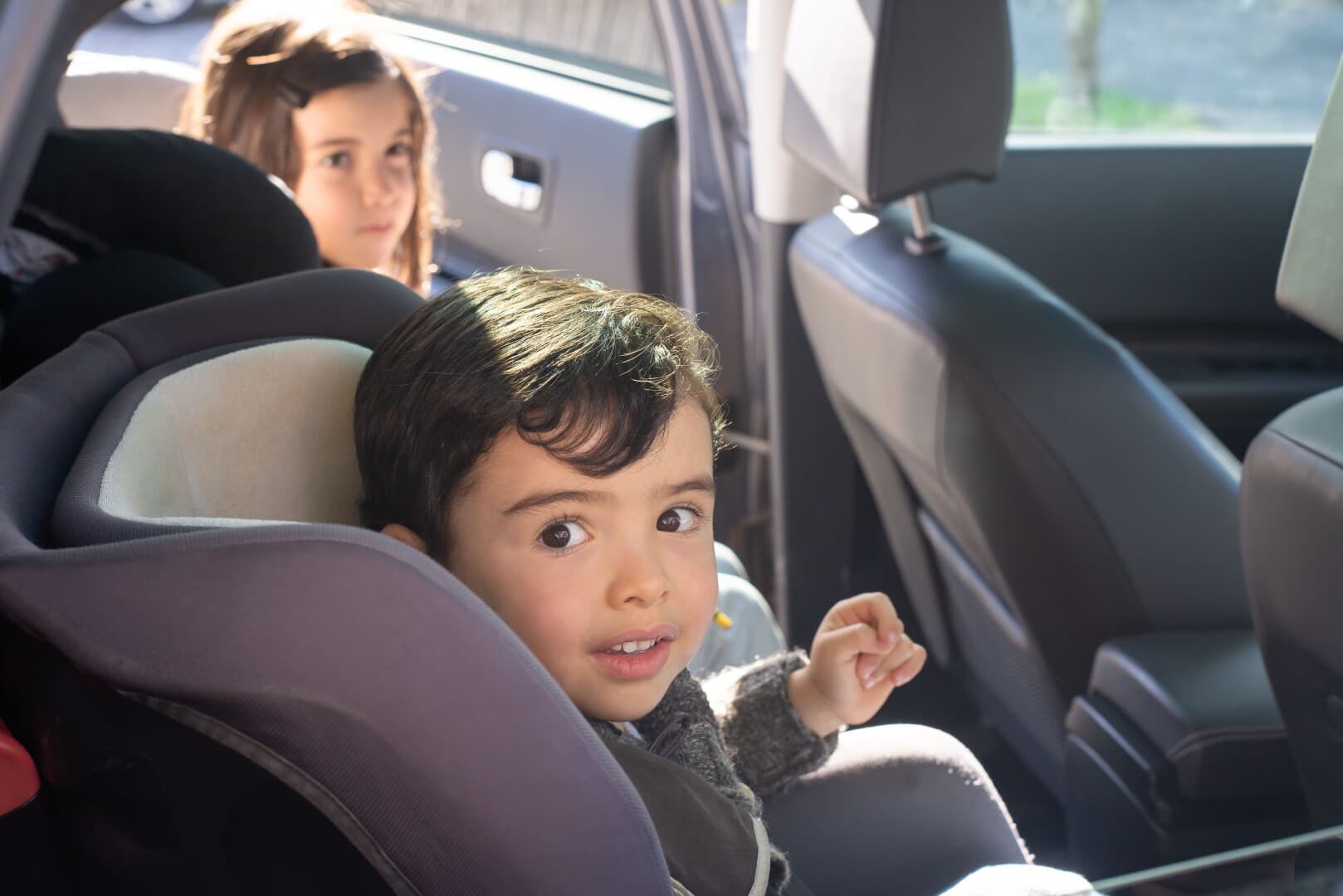
The programme also emphasises child safety features, reflecting China's growing focus on family vehicle safety following demographic policy changes.
Rating System
C-NCAP employs a percentage-based scoring system with star ratings from one to five-plus stars. The system considers crashworthiness, pedestrian protection, and active safety systems, providing comprehensive vehicle safety assessment.
Manufacturing Impact
C-NCAP's requirements have driven significant improvements in Chinese vehicle manufacturing quality. Domestic manufacturers like BYD, Geely, and Great Wall have invested heavily in meeting programme standards, resulting in substantially improved vehicle safety performance.
International manufacturers operating in China must also meet C-NCAP requirements, often incorporating China-specific safety features that enhance global vehicle safety standards.
Global Influence
As Chinese automotive manufacturers expand internationally, C-NCAP-influenced vehicle designs reach global markets. South African consumers may encounter Chinese vehicles designed to meet these evolving safety standards, requiring repair facilities to understand associated technologies and construction techniques.
Technical Implications
C-NCAP-rated vehicles increasingly feature advanced high-strength steel construction, sophisticated airbag systems, and electronic stability control. Electric vehicles tested under C-NCAP protocols incorporate battery safety systems and thermal management technologies requiring specialised repair knowledge.
Future Trajectory
C-NCAP continues evolving towards more stringent standards, with planned updates addressing autonomous driving systems, enhanced pedestrian protection, and improved post-crash safety measures. These developments signal China's commitment to achieving global safety leadership.
Understanding C-NCAP's evolution helps South African repair professionals preparefor the increasing sophistication of Chinese vehicles and their associated safety technologies in our market.