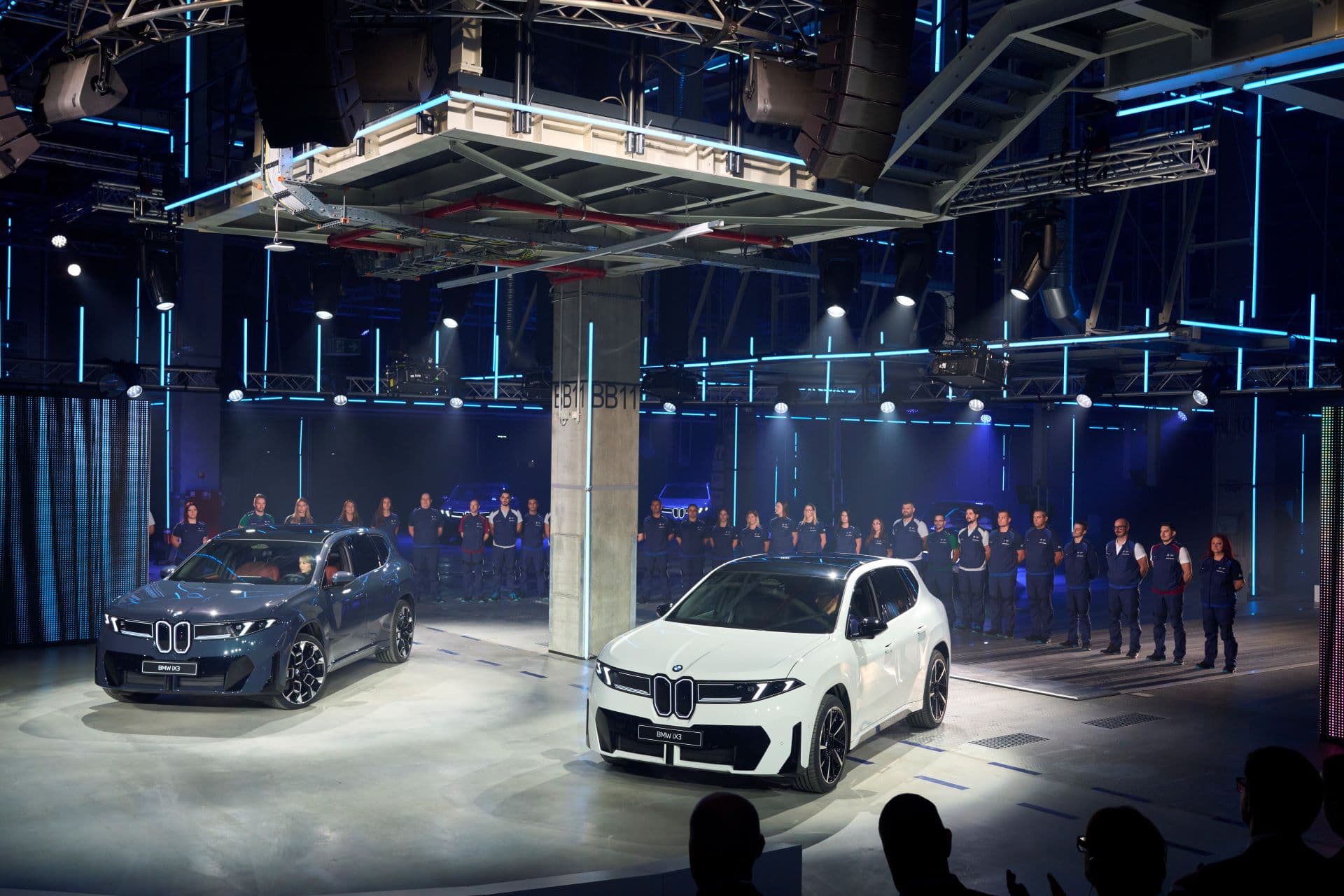
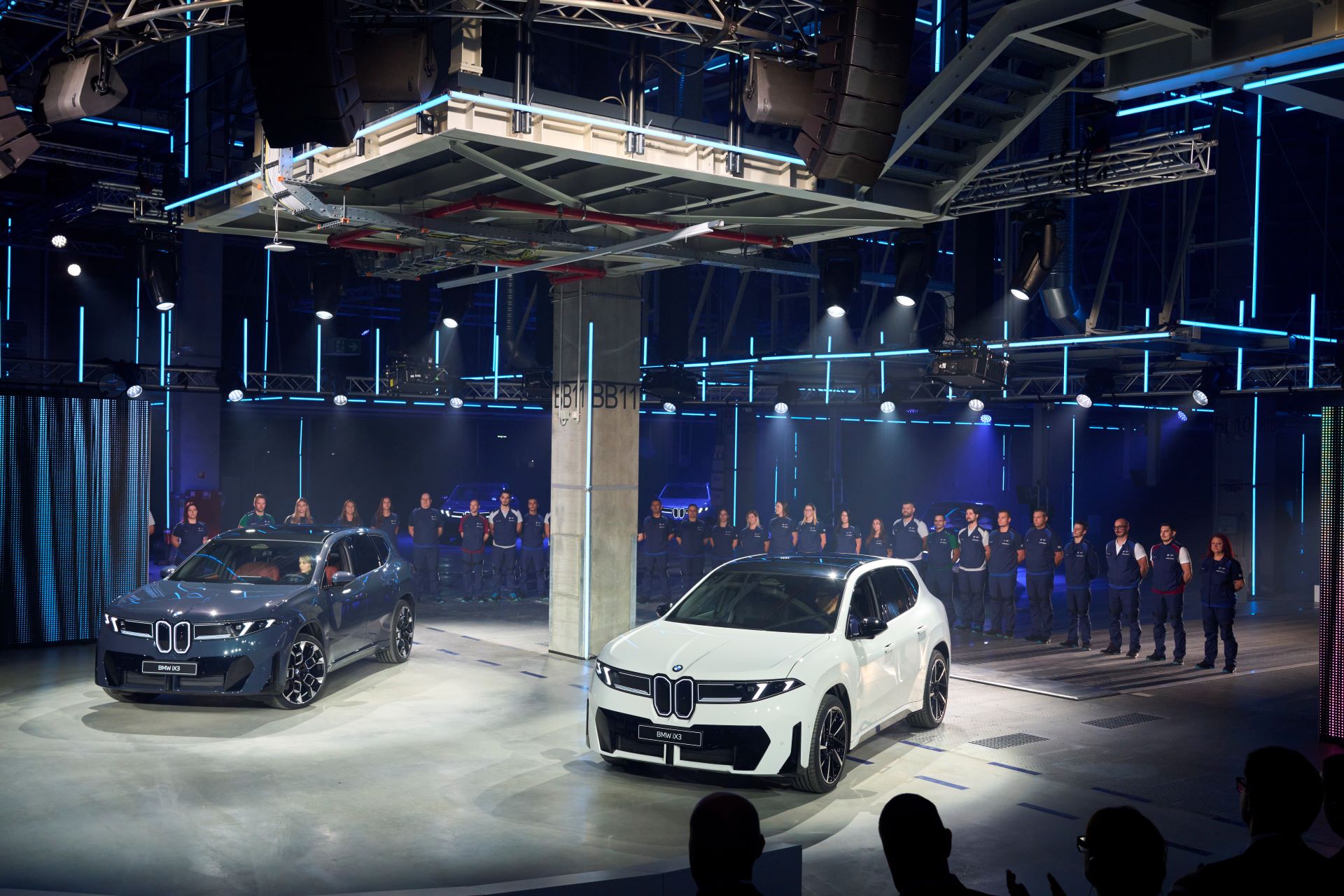
BMW has officially opened its most advanced manufacturing facility to date in Debrecen, Hungary, marking a significant milestone in the German automaker's transition to electric mobility. The plant, which will begin producing the new BMW iX3 later this month, represents the company's first fully-electric production site and the inaugural facility for its next-generation Neue Klasse vehicles.
BMW Group Chairman Oliver Zipse presided over the opening ceremony, which was attended by Hungarian Prime Minister Viktor Orbán and other senior officials. The facility has been designed entirely around BMW's iFACTORY principles and will operate exclusively on renewable energy during normal production.
"Our plant in Debrecen is a pioneer in our global production network," Zipse said. "It's our first fully-electric plant, the first production site to operate entirely without fossil fuels, and the first to build vehicles for the Neue Klasse. This makes Debrecen a decisive factor in the BMW Group's future success."
The plant, which represents one of Hungary's largest greenfield investments since the decision was made in 2018, has created more than 2,000 direct jobs and strengthened the region's industrial base. Additional employment has been generated through suppliers and service providers establishing operations in the area. The facility has also become one of Hungary's largest training hubs for dual education programmes through partnerships with local institutions.
Sustainability at the Core
Environmental performance was central to the plant's design. Production of the new BMW iX3 will generate approximately 80kg of CO₂e emissions (scope 1/2), representing a two-thirds reduction compared to existing BMW models. For Plant Debrecen specifically, emissions from manufacturing a vehicle, including its high-voltage battery, are reduced by around 90% to just 34kg CO₂e.
The site features one of Hungary's largest photovoltaic systems, covering 50 hectares and supplying about a quarter of the plant's annual energy requirements. Surplus solar energy is stored in a 1,800m³ thermal storage system with 130 MWh capacity.
Innovative Production Methods
Unlike traditional BMW plants, Debrecen operates as a network facility, incorporating best practices from locations worldwide. The press shop draws on expertise from Spartanburg and Swindon, whilst the body shop employs nearly 1 000 industrial robots, all digitally simulated before installation.
The assembly process is fully digitalised, with sensors and camera systems automating quality control. Artificial intelligence evaluates data in real-time, providing immediate feedback to production line workers. The building's optimised "finger structure" layout enables 80% of parts to be delivered directly to the correct assembly point, whilst all in-house logistics operate electrically.
High-voltage batteries are assembled on-site following a "local for local" principle, making Debrecen the first of five global facilities to begin series production of sixth-generation high-voltage batteries.