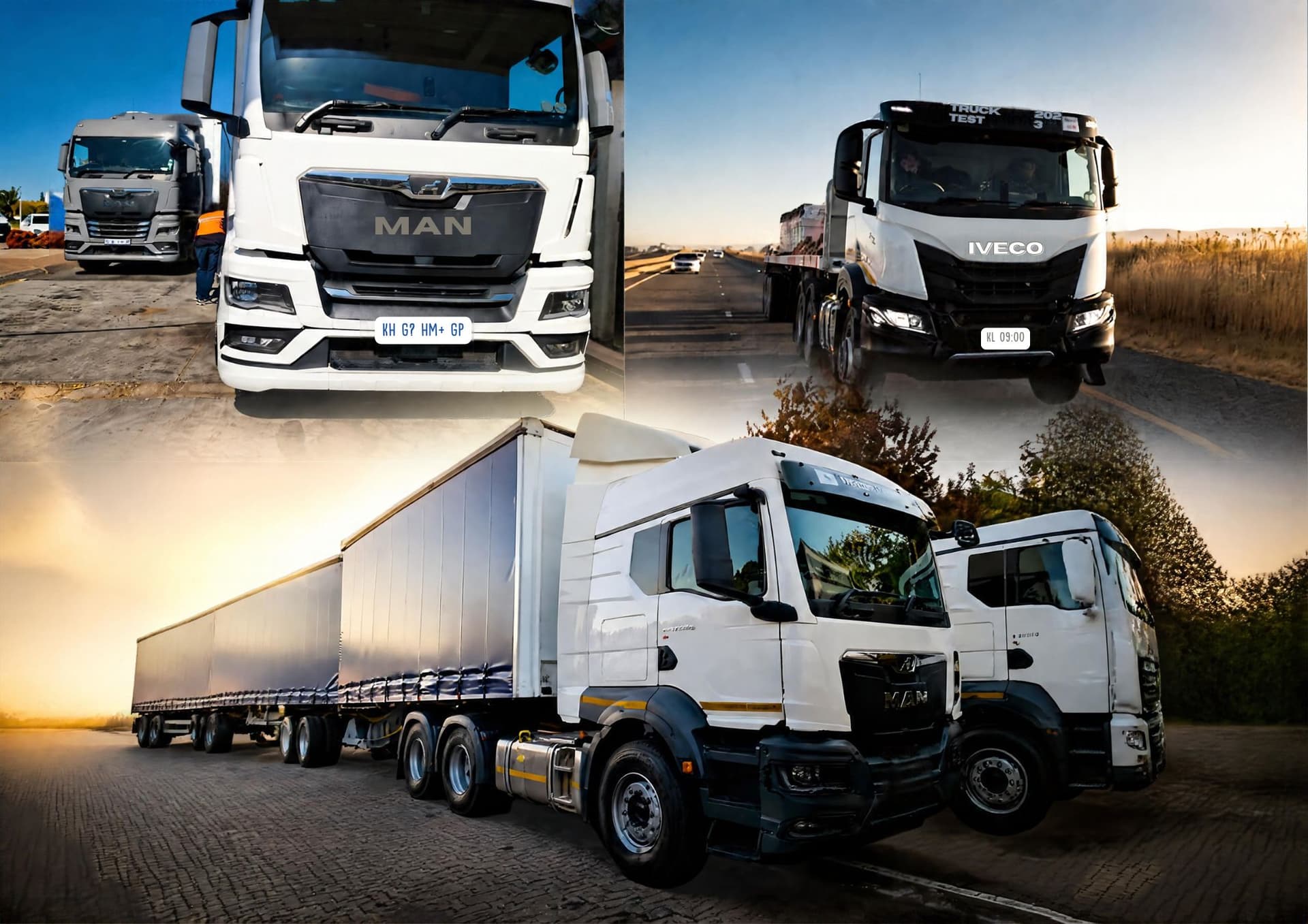
The automotive industry, including vehicle importers, assemblers and repair specialists, is set to gain from the proposed Port of Gauteng (PoG). This inland logistics hub, valued at R50 billion, will transform the way vehicles and components are transported, stored and distributed, offering new efficiencies for both manufacturing and repair operations.
A Strategic Win for Automotive Supply Chains:
The PoG will feature a world class car terminal, container rail terminal and flat rail lines designed to support the import and distribution of completely built-up vehicles and components. Most imported vehicles currently arrive via Durban before being trucked inland, adding cost and congestion. By integrating rail, the PoG offers a safer and more reliable alternative.
Justin Schmidt of Absa Business Banking explained: “The scale of the proposed investment in the PoG will ensure a knock‑on effect for many sectors related to the project and for the users of the new transport rail and logistics structures such as warehouses. This will ensure a more efficient access to their respective services and markets.”
Implications for Repair and Aftermarket Services:
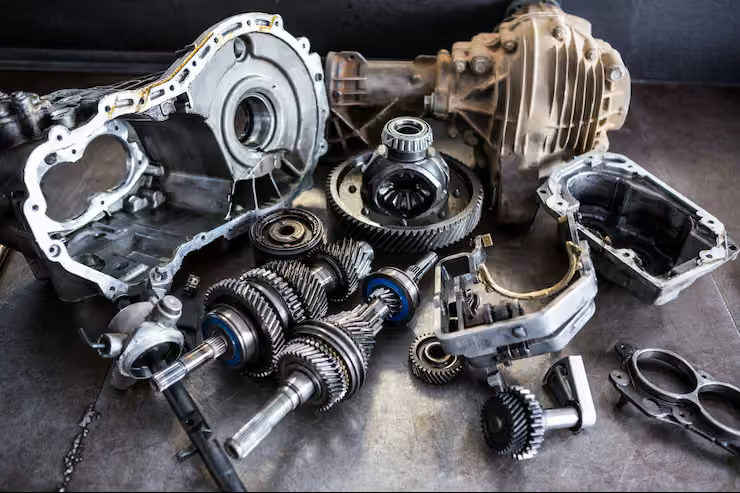
For the automotive repair industry, the hub’s inland location means faster access to imported components and spare parts. Repair shops and service centres will benefit from reduced delays and lower transport costs, ensuring that vehicles can be serviced more quickly and reliably. The just in time logistics model, crucial for both manufacturing and repair, will be strengthened by the hub’s proximity to production and consumption centres.

Reducing Road Congestion and Costs:
By cutting heavy truck traffic on the N3 by up to one third, the PoG will improve road safety and reduce emissions. For repair businesses, this translates into more predictable delivery schedules and fewer disruptions caused by road congestion. Inland customs clearance will also safeguard against delays at Durban, ensuring that parts and vehicles reach Gauteng without unnecessary holdups.
Economic Growth and Industry Confidence:
The project is expected to generate around 50 000 permanent jobs, with additional opportunities during construction. Its benefits will extend to warehousing, transport, e‑commerce and parts supply sectors. By revitalising South Africa’s rail freight network, the PoG will restore industry confidence and create a more competitive logistics environment.
Conclusion:
For vehicle importers, assemblers and repair specialists, the Port of Gauteng represents a chance to redefine automotive logistics. Faster distribution, improved reliability and enhanced sustainability will strengthen competitiveness across the supply chain, ensuring that the repair industry can meet customer needs more efficiently. Sources: Ecofin Agency, Engineering News, Farmer’s Weekly SA, Freight News SA.
Read the full story on our sister publication, Dealerfloor at: https://dealerfloor.co.za/industry-news/inland-port-to-drive-south-africas-automotive-and-logistics-transformation