The Australasian New Car Assessment Program (ANCAP) stands as one of the world's most respected vehicle safety assessment bodies, serving Australia and New Zealand since 1992. For South African collision repair professionals, understanding ANCAP's influence is crucial, as many vehicles sold locally are designed to meet or exceed these rigorous standards.
Independence and Rigour
ANCAP operates as an independent, not-for-profit organisation funded bygovernments, motoring clubs, and insurance companies across Australasia. Thisindependence ensures unbiased testing and rating, free from manufacturerinfluence. The programme's credibility has made ANCAP ratings a primaryconsideration for Australian and New Zealand car buyers.
Global Harmonisation
Since 2018, ANCAP has closely aligned its testing protocols with Euro NCAP,creating a harmonised approach to vehicle safety assessment. This alignmentmeans vehicles achieving high ANCAP ratings must meet world-class safetystandards, benefiting consumers globally through improved manufacturer designpractices.
Testing Protocols
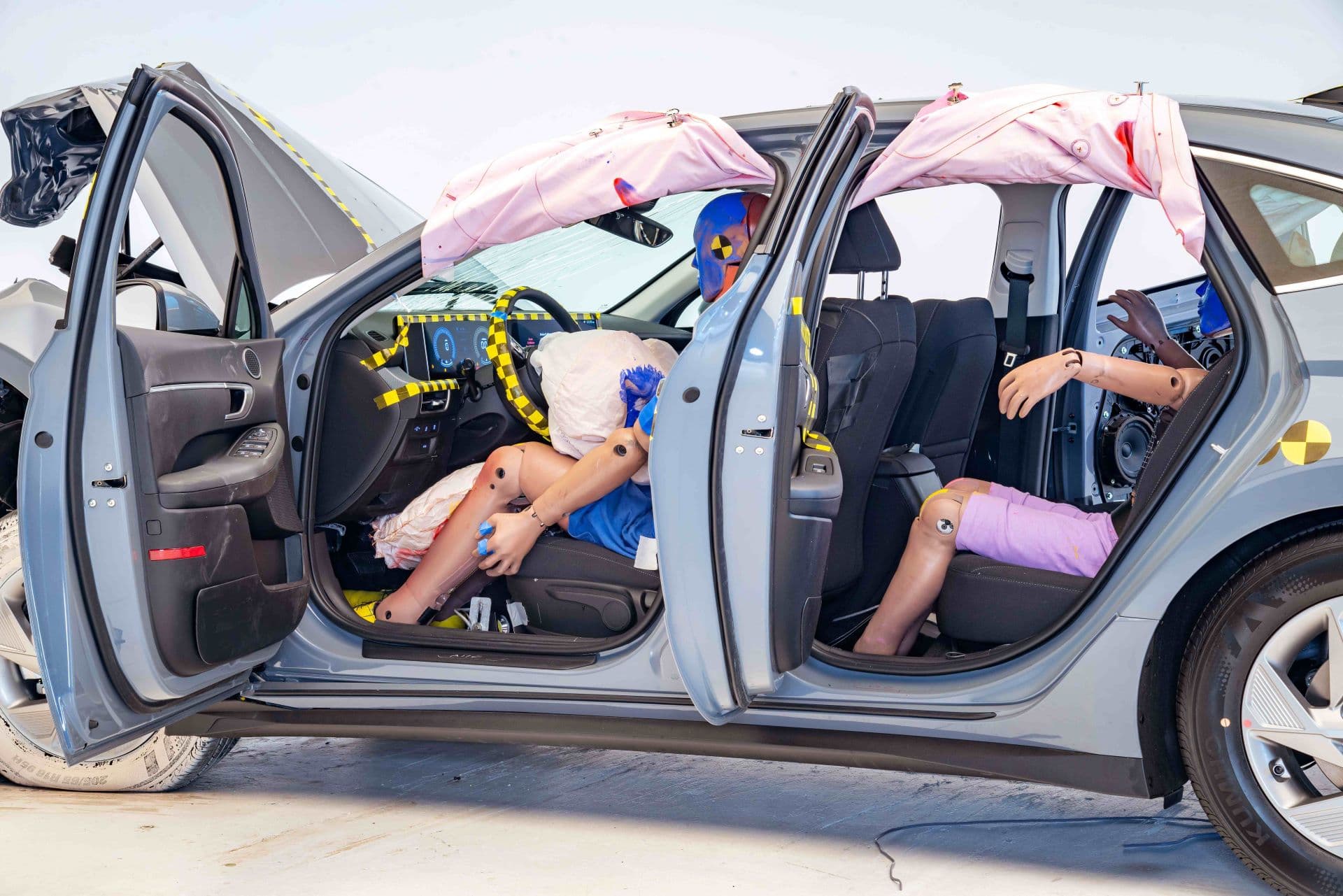
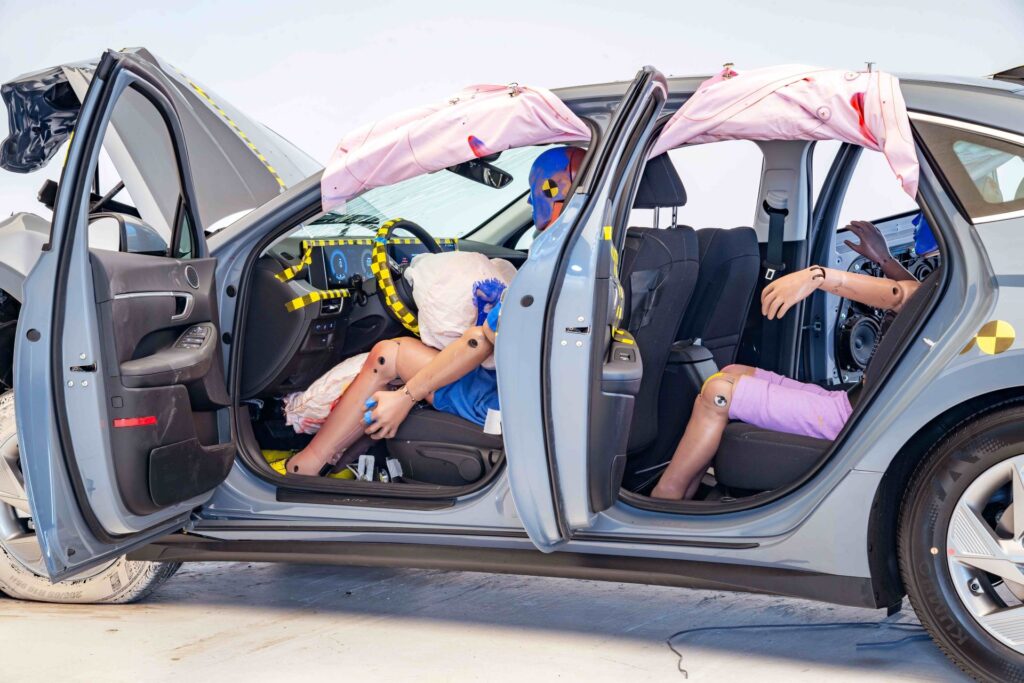
ANCAP employs comprehensive testing procedures including frontal offset crashes at 64km/h, side impact tests at 50km/h, and pole impact assessments at 32km/h. The programme also evaluates pedestrian protection, child safety features, and increasingly sophisticated Advanced Driver Assistance Systems (ADAS).
The rating system awards up to five stars based on four key assessment areas:Adult Occupant Protection, Child Occupant Protection, Vulnerable Road UserProtection, and Safety Assist technologies. This holistic approach reflects modernunderstanding that vehicle safety extends beyond occupant protection.
Impact on Vehicle Design
ANCAP's stringent requirements have driven significant improvements in vehiclesafety technology. Manufacturers targeting the Australasian market must incorporate advanced high-strength steels, multiple airbag systems, electronic stability control, and autonomous emergency braking as standard features.
Collision Repair Implications
For collision repair professionals, ANCAP-rated vehicles present both opportunitiesand challenges. These vehicles typically feature sophisticated safety systemsrequiring specialised repair techniques, calibrated equipment, and genuinereplacement parts to maintain their safety integrity.
The programme's emphasis on structural integrity means repair facilities mustunderstand advanced materials and joining techniques. ANCAP's influence onmanufacturer design decisions directly impacts the complexity and cost of collision repairs, necessitating ongoing technical training and equipment investment.
Future Developments
ANCAP continues evolving its protocols to address emerging safety challenges.Recent updates include enhanced ADAS testing and improved assessment of crashavoidance technologies. These developments signal the programme's commitmentto staying ahead of automotive safety trends.
Understanding ANCAP's role in global vehicle safety helps South African repairfacilities prepare for increasingly sophisticated vehicle technologies and maintainexpertise in modern collision repair practices.