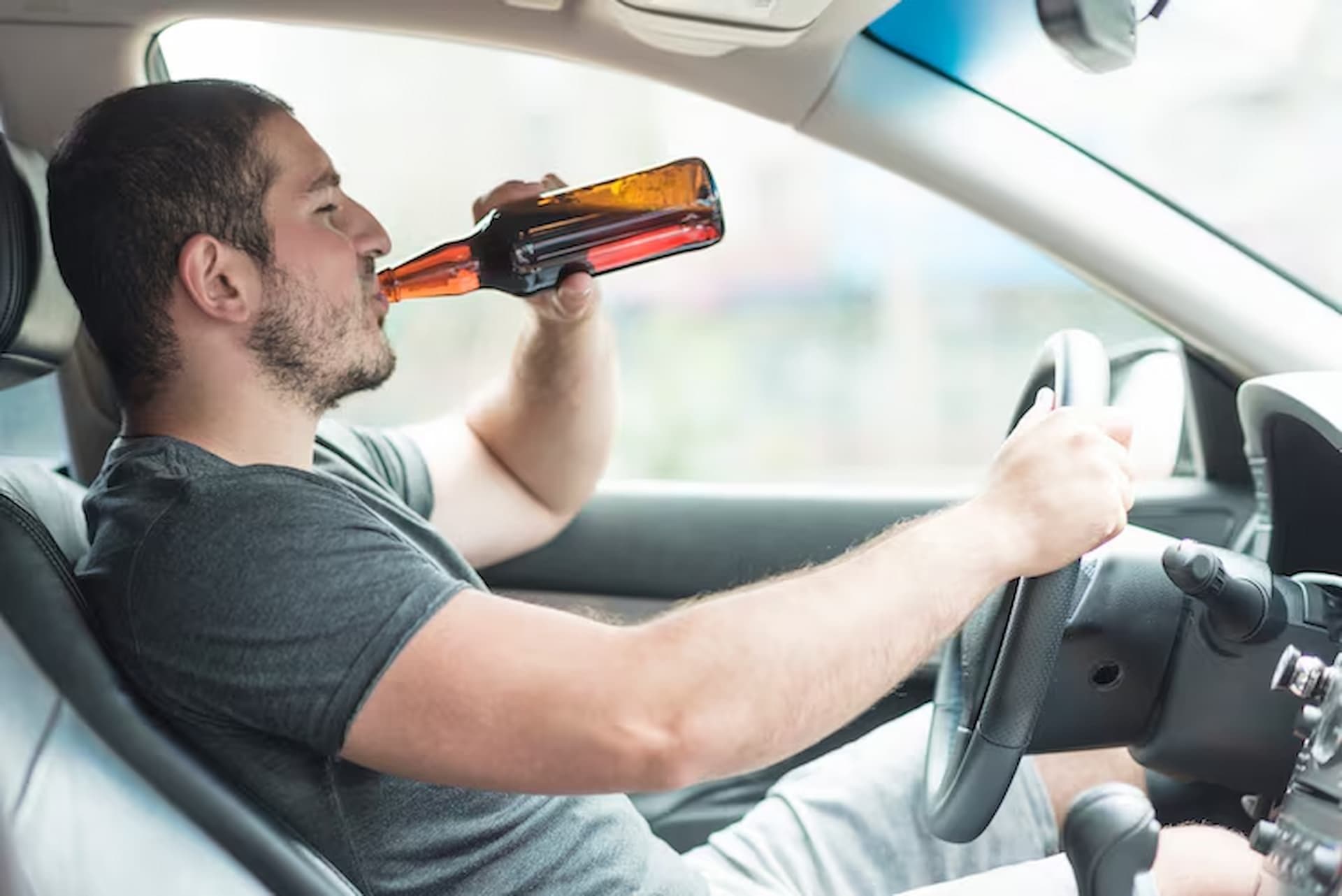
In the United States, a little-noticed section of the 2021 Infrastructure Investment and Jobs Act instructs the federal road-safety regulator to require new passenger cars to include technology that can detect drunk or otherwise impaired driving and then prevent or limit the vehicle being driven.
Supporters say it could reduce a major cause of fatal crashes; critics warn it could normalise always-on monitoring inside private vehicles.
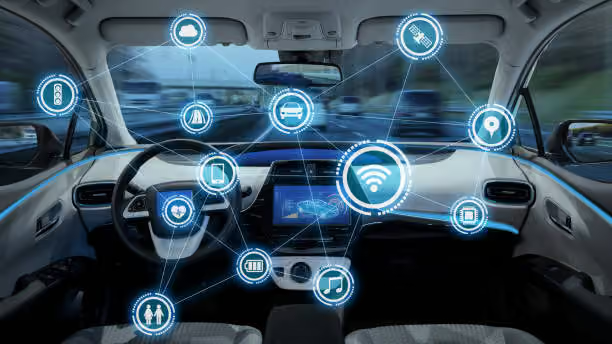
The provision, known as Section 24220, talks about “advanced impaired driving prevention technology”. It is often labelled a ‘kill switch’ in political debate, but it is not designed as a remote shut-off controlled by government. Instead, it refers to passive systems that work without the driver blowing into a mouthpiece, such as sensors that estimate blood-alcohol levels from breath in the cabin or from touch points, or systems that infer impairment from driving behaviour and driver attention.
Attempts to block funding for the programme have so far failed. In January 2026, the US House of Representatives voted down an amendment introduced by Congressman Thomas Massie that would have stopped federal money being used to implement Section 24220. That keeps the mandate alive, although it still depends on detailed rules being written.
The regulator is the National Highway Traffic Safety Administration (NHTSA), part of the US Department of Transportation, which sets Federal Motor Vehicle Safety Standards. The law required NHTSA to complete a final rule within three years of the Act being passed in November 2021, but the deadline has been missed. An advance notice of proposed rulemaking was published in early 2024 as officials gathered evidence on what technology can reliably detect impairment without locking out safe drivers.
Once a standard is finalised, manufacturers would typically be given a lead-in period of several years to build compliant systems into new models. The biggest open question is what NHTSA will require: what counts as impairment, how accuracy is tested, and how vehicles should respond in practice.
Privacy and security concerns sit at the centre of the debate. Depending on design, systems may use cameras, eye-tracking, biometrics or driving-pattern analysis, all of which can generate sensitive behavioural data. Critics question where such data would be stored, how long it would be kept, and whether insurers or police could access it. Cybersecurity is another worry: fleet operators already use “dashcam” style monitoring, and a vulnerability scaled across millions of vehicles could be disruptive.
For businesses running vehicle fleets, the emerging standard could affect employment practices and data policies, not just procurement. For drivers, the outcome will hinge on the final technical rules: whether the technology is narrowly focused on alcohol, broadened to other forms of impairment such as drowsiness, and whether safeguards exist for mistakes and emergencies.