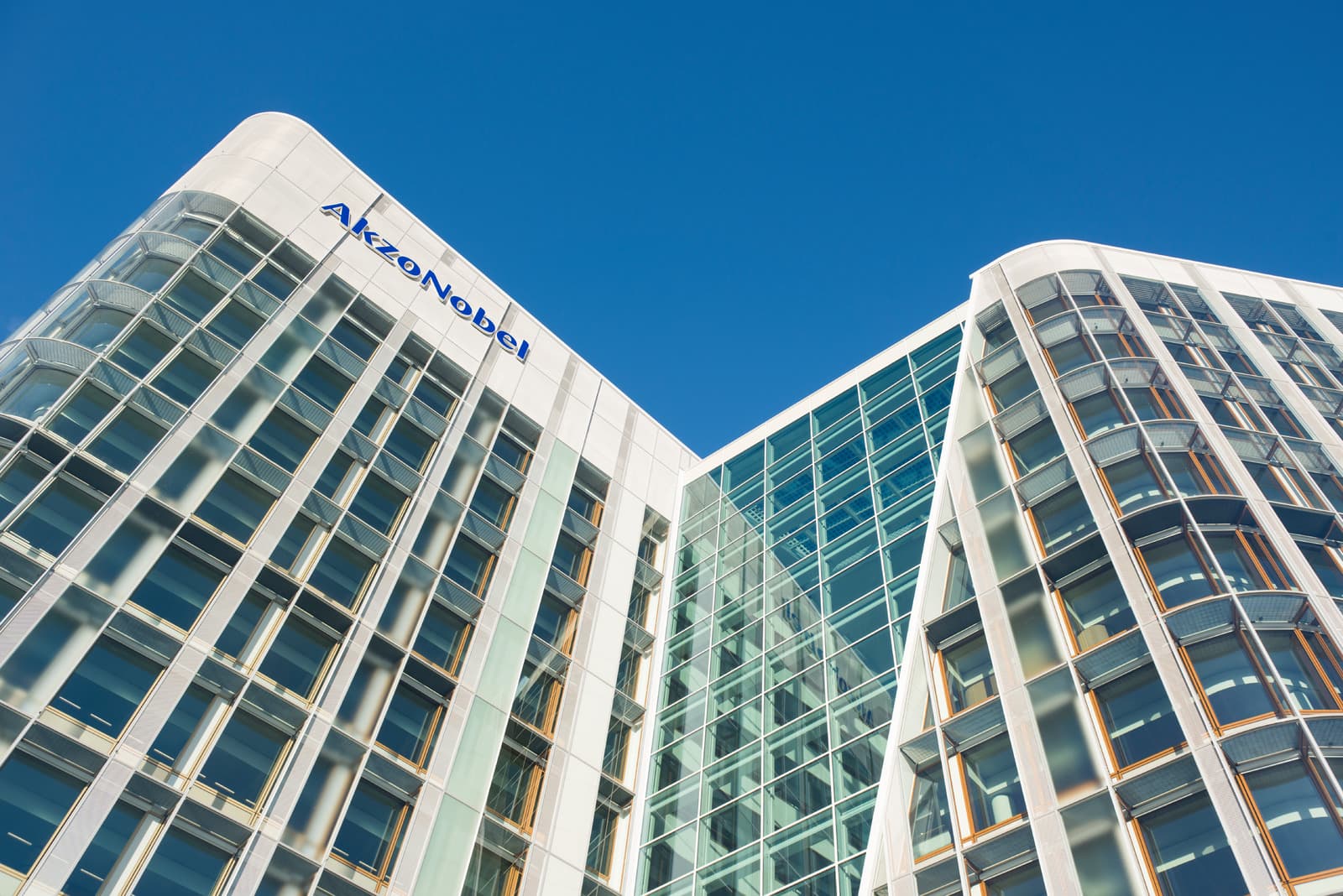
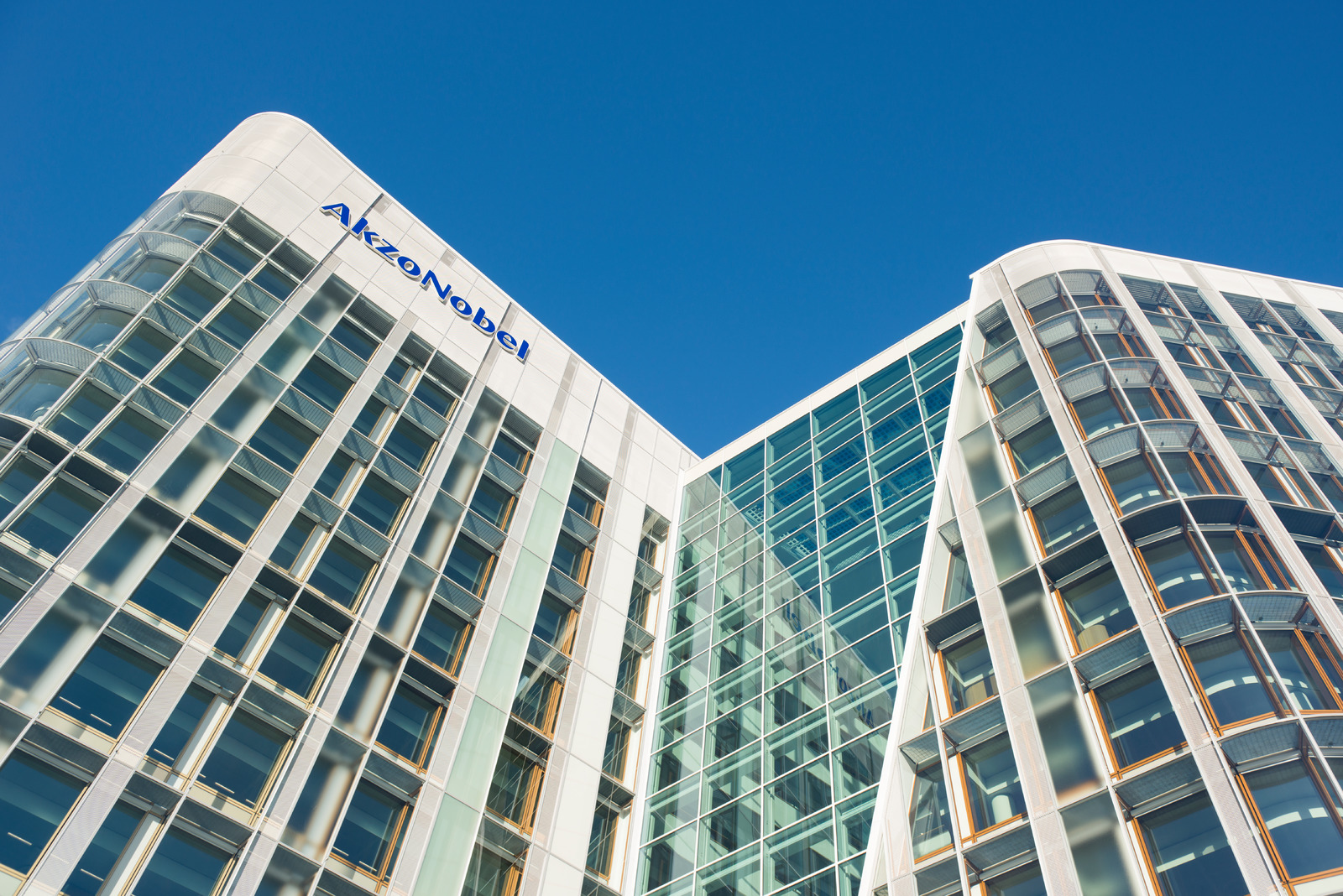
More than two years since its establishment, AkzoNobel Vehicle Refinishes' Sustainable Repair Network (SRN) is demonstrating impressive growth throughout Europe.
The initiative has now awarded certification to over 203 bodyshops spanning ten nations and 119 organisations, whilst a further 290 active bodyshops are currently working towards certification. This achievement marks substantial headway in supporting the vehicle refinishes sector to enhance operational practices and minimise environmental impact.
AkzoNobel stands as the pioneering paints and coatings manufacturer to establish a verified science-based sustainability objective, pledging to cut carbon emissions across its entire value chain by 50% before 2030*. In pursuit of this goal, the company is adopting a proactive and cooperative approach to assist whole industries in their transition towards greater sustainability. The European launch of the Sustainable Repair Network within the Vehicle Refinishes Business exemplifies this commitment, offering bodyshops and multi-site operators comprehensive resources, guidance and specialist knowledge to lower emissions and integrate circular economy principles into their operations.
Ignacio Román Navarro, AkzoNobel's Business Director for Automotive and Vehicle Refinishes EMEA, expresses enthusiasm about the network's uptake: "From automotive manufacturers to insurance providers and repair specialists, sustainability has become a universal priority throughout the industry. Genuine advancement demands cooperation, and we take pride in seeing numerous progressive bodyshops across Europe becoming part of our initiative and achieving substantial results."
The certification programme has now reached over 100 businesses throughout Denmark, Finland, France, Italy, the Netherlands, Spain, Switzerland, Poland, Austria and the United Kingdom, with additional certifications underway.
"The rapid momentum our Sustainable Repair Network has generated in such a brief period, alongside the enthusiastic participation of bodyshops from across Europe working with our specialists, is highly gratifying," Ignacio notes. "We're providing them with the capability to implement enduring, beneficial changes within their operations, through comprehensive assessment of their repair procedures and business practices to identify emission sources and create practical reduction plans, empowering them to achieve measurable advancement towards their sustainability objectives and validate these improvements to their stakeholders."
The network's methodology begins with evaluating energy consumption, alongside determining methods to lower carbon footprints through actions based on 'repair, recycle, reduce and reuse' principles. Level 1 certification establishes the groundwork for bodyshops and Multi-Site Operators (MSOs) to quantify, track and diminish their CO2e footprint. This transparency enables participants to establish KPIs and formulate improvement strategies. During Level 2, supported by AkzoNobel's team, bodyshops define objectives for enhanced sustainability performance, utilising AkzoNobel's resources to identify improvement opportunities and create a multi-year action plan. Level 3 involves tracking and accomplishing the Level 2 objectives, evidencing that initiatives have been deployed, enhancements have been delivered, and sustainability has become integral to the organisation.
AkzoNobel maintains active engagement with industry partners on projects designed to lower emissions, advance circular economy models and develop more environmentally responsible supply chains. Recent collaborations include participation in the Forum on Automotive Aftermarket Sustainability (FAAS) community, uniting sector leaders to generate meaningful transformation in the automotive aftermarket, alongside the Accident Repair Industry Environmental Standard (ARIES), establishing new benchmarks for the UK's vehicle repair sector.
#AkzonobelSRN