Chinese robotics firm Agibot is accelerating its global expansion with a major push into Europe, partnering with automotive supplier Minth Group to manufacture and deploy its next generation of humanoid and industrial robots across the region.
The move comes as demand for “embodied AI” — intelligent machines capable of interacting with the physical world — begins to surge within advanced manufacturing sectors.
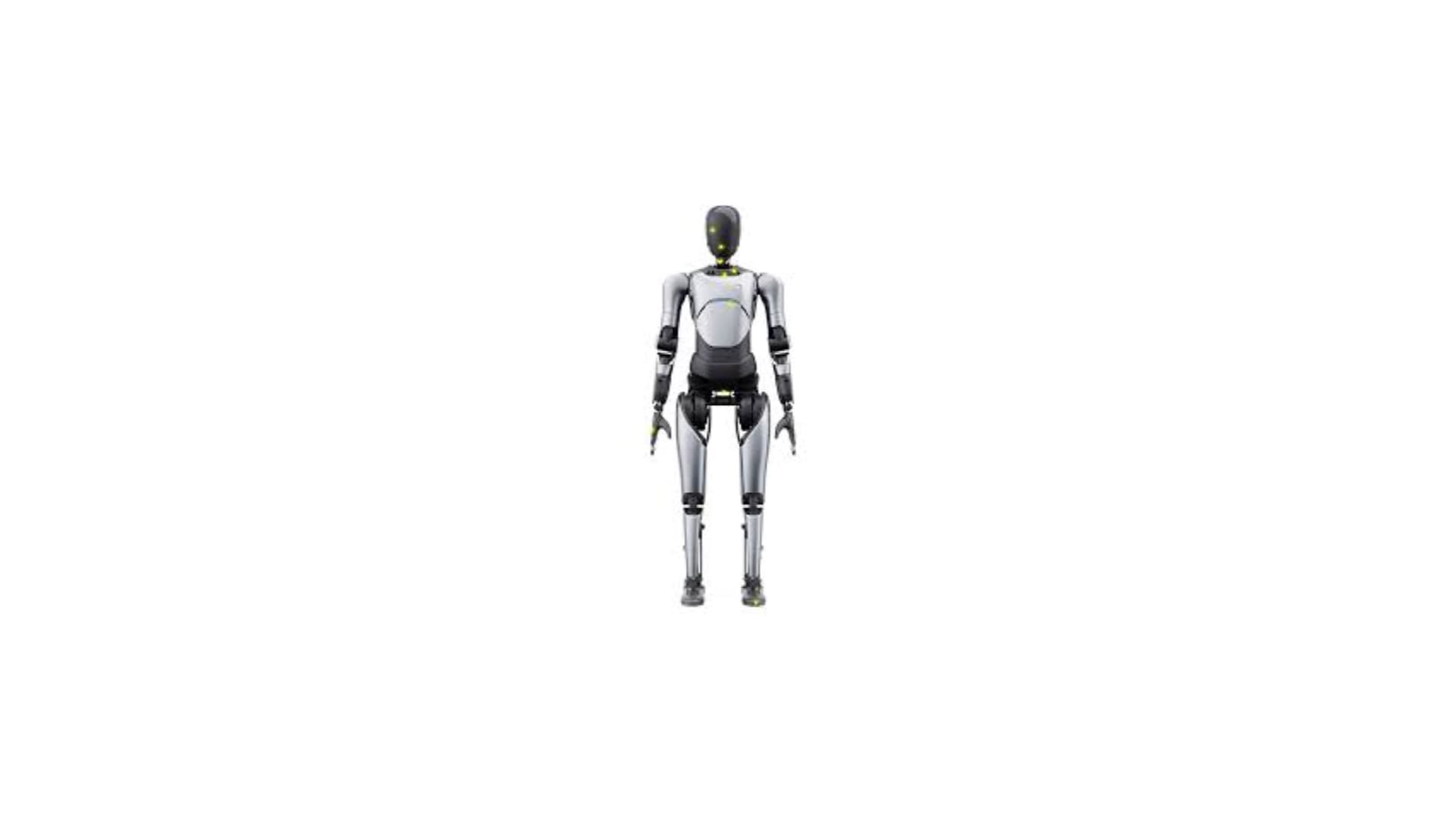
Agibot recently showcased its capabilities at a Munich event attended by 400 industry professionals, demonstrating its compact X2 humanoid, which can perform acrobatics, expressive movements and customer-facing tasks. In China, the 1.31-metre robot is already used in hospitality settings. The company is also promoting its broader portfolio, including the full-size A2 humanoid for navigation and multimodal interaction, the industrial G2 series equipped with Nvidia’s Jetson Thor T5000 platform, and the D1 quadruped for inspection roles. The G2, priced at over $117,000 (R1.9 million), is the firm’s most advanced industrial model.
Founded only three years ago, Agibot claims to have delivered more than 5,000 humanoid robots by early 2026 — giving it roughly 40 percent of the global market, according to its Europe CEO William Shi. Market forecasts suggest the sector is on the cusp of explosive growth: Morgan Stanley predicts annual demand could reach 1.5 million units by 2035, while Bain & Co. anticipates a market nearly ten times larger.
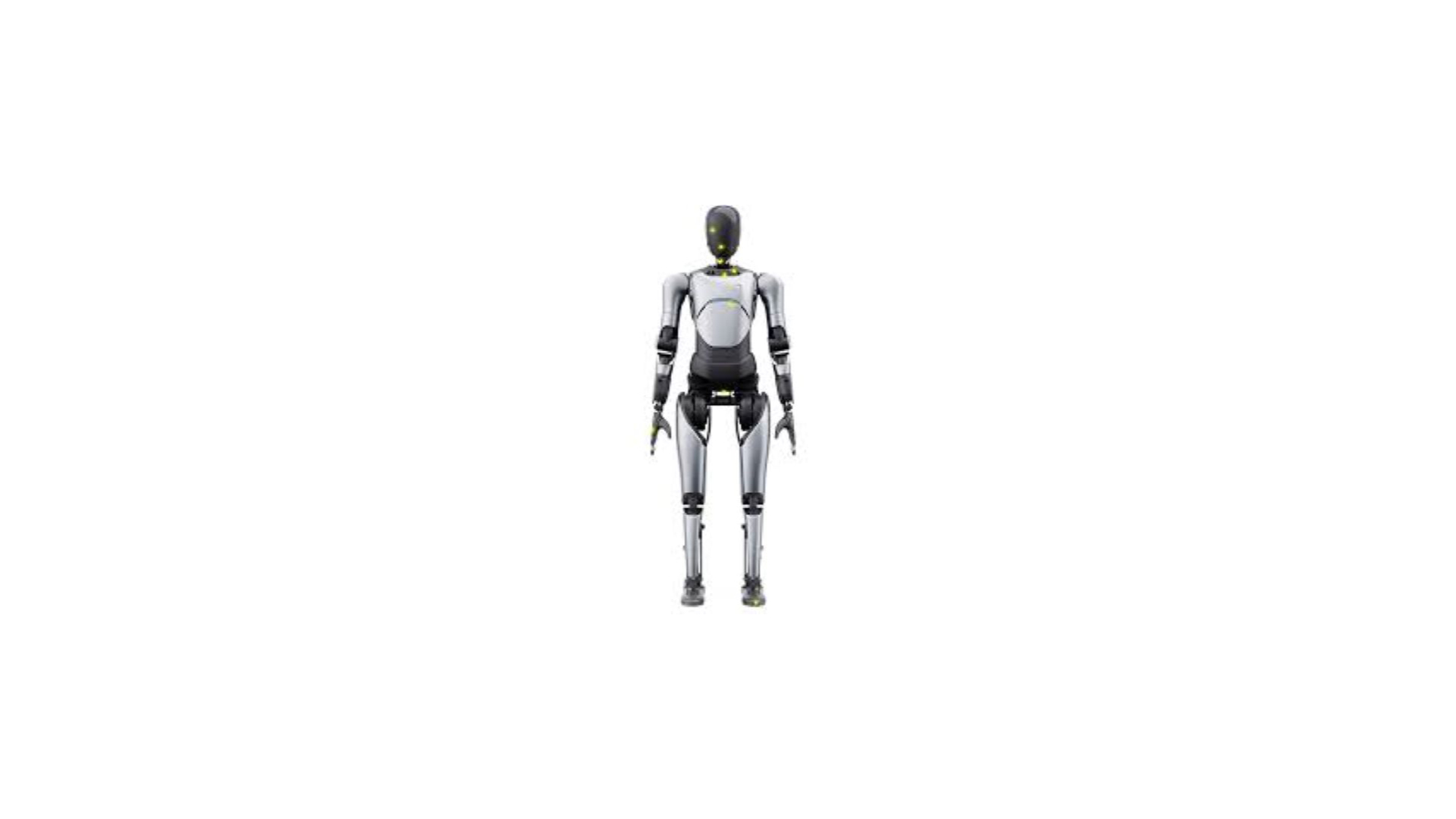
Its European manufacturing partnership with Minth Group is central to Agibot’s global strategy. Minth, which operates more than ten production sites across Europe including in Germany, France and the UK, will provide localised production capacity as well as factory environments where Agibot’s robots can be trained on real industrial workflows. Minth Chairwoman Chienglien Wei emphasised that industrial adoption of humanoids depends not only on AI progress but also on localisation, robust manufacturing systems and long-term operational support.
The collaboration positions Minth as a key conduit for Chinese robotics innovation entering European automotive supply chains. With automakers under pressure to automate and manage costs, Agibot aims to shift its platforms from exhibition showpieces to operational tools on factory floors. European-based production of Agibot robots is expected to begin later this year, with significant scaling anticipated within two years as pilot deployments progress in manufacturing, logistics and service environments.