Advanced Driver Assistance Systems (ADAS) are revolutionizing vehicle safety, providing an array of features designed to enhance driving safety and convenience. From automatic emergency braking and adaptive cruise control to lane departure warnings and pedestrian detection, ADAS technologies are now standard in many new vehicles. However, while these systems play a vital role in preventing accidents, their functionality is heavily reliant on precise calibration. In the context of collision repair, ADAS calibration has become a critical step to ensure that these safety features perform as intended.
This article explores the importance of ADAS calibration, when it is necessary, the types of calibration, and the challenges repair shops face in ensuring these systems are calibrated correctly.
The rise of ADAS and the importance of calibration
ADAS technologies utilize a combination of cameras, sensors, radar, and LiDAR to detect objects and interpret the vehicle's environment. This data is processed by the vehicle's onboard computer to assist the driver or take direct action in critical situations. However, for these systems to work as intended, each camera, sensor, and radar must be precisely aligned and configured to the vehicle's specifications.
In the event of a collision, even a minor fender-bender, ADAS components can be damaged, shifted, or misaligned, compromising their accuracy. The cameras and sensors that provide crucial information may be knocked out of alignment, potentially leading to false readings or the complete failure of the ADAS system. A sensor that is just a few degrees out of alignment could misjudge the distance of another vehicle or fail to detect lane markings, dramatically increasing the risk of an accident. That’s where ADAS calibration comes into play.
When is ADAS calibration necessary?
ADAS calibration is required whenever the sensors, cameras, or radar units involved in these systems are impacted, removed, or replaced. Some common scenarios include:
Collision Damage: Any accident that impacts the vehicle’s body, bumper, windshield, or side mirrors can disrupt the alignment of ADAS components. Even if the damage appears superficial, it can cause sensors or cameras to misread their environment.
Windshield Replacement: Many vehicles now have cameras mounted on the windshield that work in conjunction with ADAS features like lane-keeping assistance and automatic high beams. When a windshield is replaced, these cameras must be recalibrated to ensure they can correctly interpret the road ahead.
Suspension Work or Wheel Alignment: Since many ADAS features rely on the vehicle's physical alignment and geometry, changes in suspension or wheel alignment can affect the accuracy of sensors or cameras. After such work, a recalibration ensures that the vehicle’s systems are still functioning optimally.
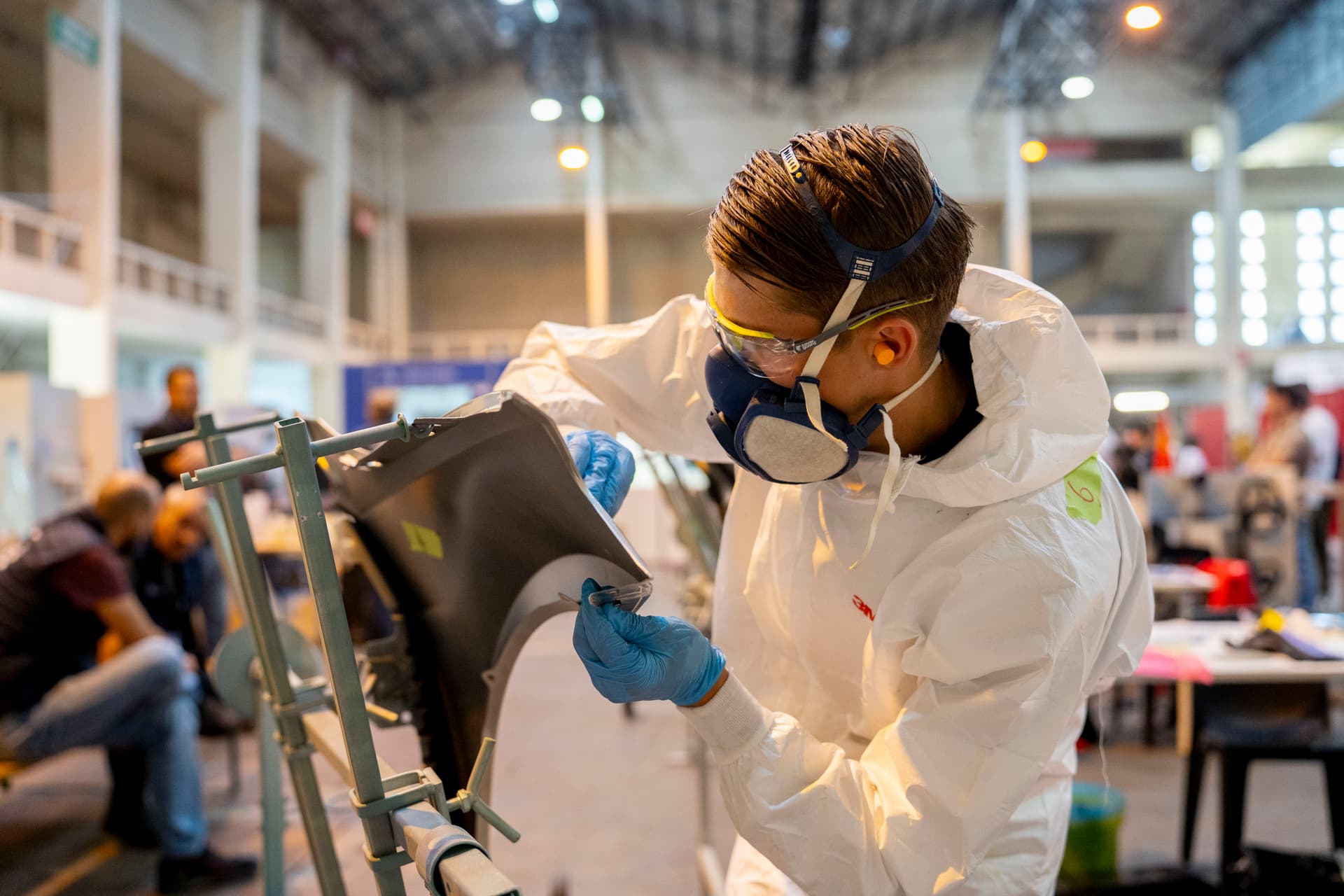
Component Replacement or Adjustment: Anytime an ADAS sensor, radar, or camera is removed or replaced (for instance, during repairs or upgrades), calibration must follow. This includes bumper repairs or replacements, side-view mirror repairs, or any other repair that involves moving these sensors.
Software Updates: Some ADAS systems may require recalibration after a software update that modifies how the sensors process data. This ensures that the new software operates within the correct parameters.
Failing to calibrate ADAS systems after such events can lead to improper functioning, putting both the driver and other road users at risk.

Types of ADAS calibration
There are two primary types of ADAS calibration: static calibration and dynamic calibration. Each method has specific requirements, tools, and processes that repair shops must follow.
Static Calibration
Static calibration occurs in a controlled environment, typically within the repair shop, where the vehicle remains stationary. This method requires specialized tools, targets, and sometimes lighting conditions to ensure the cameras and sensors are calibrated properly.
During static calibration, the technician positions the vehicle in front of a series of targets or patterns, which are used to adjust the ADAS sensors and cameras. The vehicle’s system will then compare the position of the targets to its current readings and automatically make adjustments.
This method is particularly useful when the environment outside the shop, such as weather or lighting conditions, is not conducive to a dynamic calibration.
Dynamic Calibration
Dynamic calibration, on the other hand, is performed while the vehicle is driven on the road under specific conditions. The vehicle’s sensors and cameras calibrate themselves using real-world data, such as road markings, traffic signs, and other vehicles.
Dynamic calibration often requires the technician to drive the vehicle at a certain speed and follow specific maneuvers, allowing the ADAS system to collect the data it needs to recalibrate itself. In some cases, both static and dynamic calibration are necessary to fully align the vehicle's ADAS systems.
Calibration tools and equipment
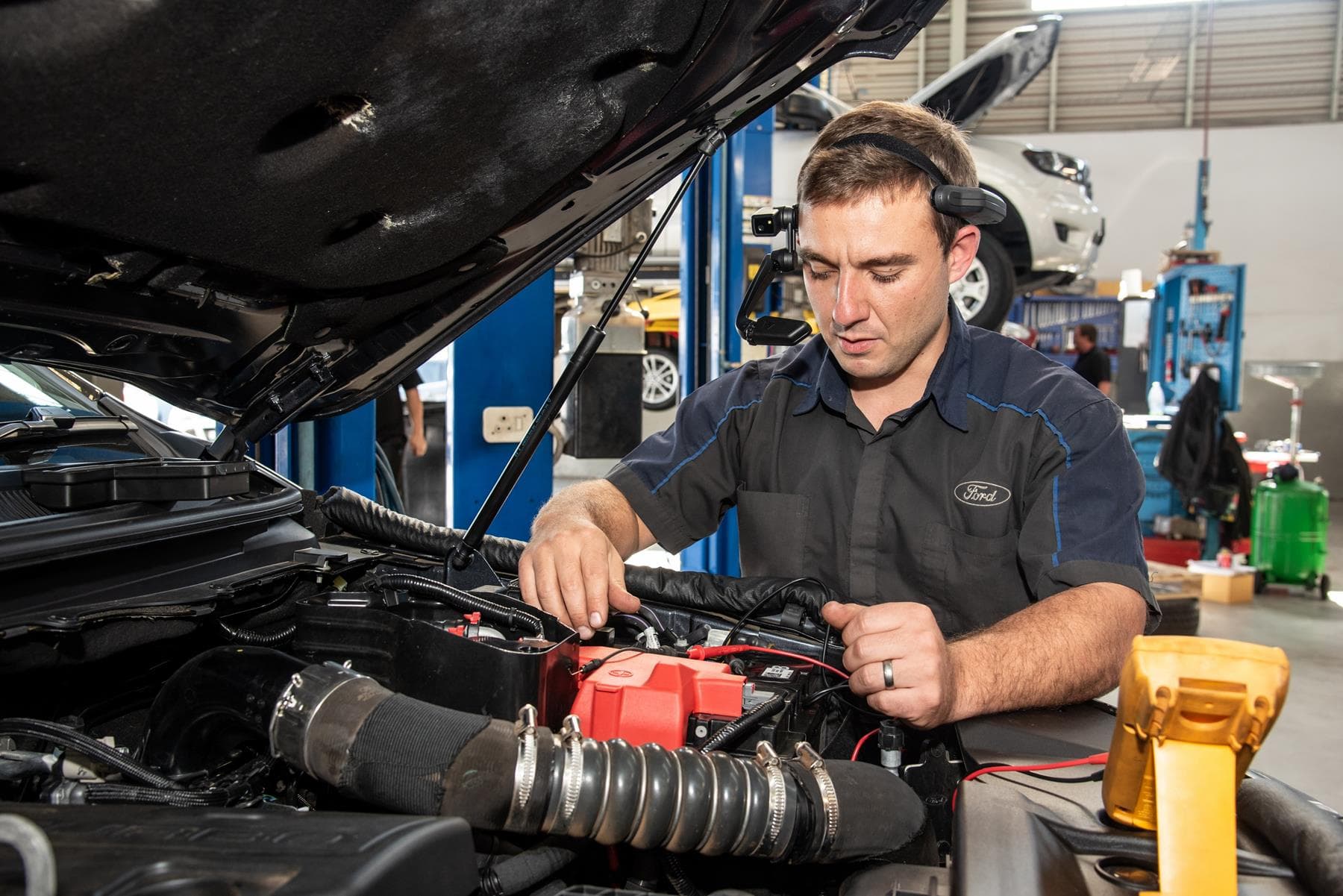
ADAS calibration requires specialized tools, many of which are proprietary to specific manufacturers. These tools include laser measurement systems, diagnostic computers, alignment racks, and calibration targets or panels. Each automaker typically provides detailed procedures that technicians must follow, ensuring that the systems are calibrated to the manufacturer's specifications.
Calibration tools vary based on the type of sensor or camera being adjusted, and some systems require more advanced equipment than others. For example, radar systems may need large, highly reflective panels to accurately bounce signals back, while cameras might require printed targets with specific patterns.
In addition to the physical tools, technicians must use OEM (Original Equipment Manufacturer) software to interface with the vehicle's systems and initiate calibration. These software systems typically walk the technician through the necessary steps to complete the calibration process.
The challenges of ADAS calibration
While ADAS calibration is essential for vehicle safety, it presents a number of challenges for repair shops:
Technical Expertise: Calibrating ADAS systems requires a high level of technical skill and training. Each manufacturer has its own specific calibration procedures, and the process can vary significantly from one vehicle to another. Shops must invest in training to ensure their technicians are up to date on the latest systems and procedures.
Cost of Equipment: The tools required for ADAS calibration are often expensive, especially for smaller repair shops. Investing in the necessary calibration tools for multiple makes and models of vehicles can represent a significant financial burden, making it a challenge for smaller businesses to offer calibration services.
OEM Restrictions and Procedures: Many manufacturers require the use of proprietary software and equipment for proper calibration. This can limit a repair shop’s ability to perform calibration services unless they have access to these specific tools. Additionally, ADAS systems can be updated via over-the-air software, further complicating the calibration process.
Time Consumption: ADAS calibration can be a time-consuming process, particularly when dynamic calibration is involved. Shops may need to allocate additional time to test drive vehicles and ensure the systems are functioning properly. This added time can affect repair turnaround and customer satisfaction.
The future of ADAS calibration in collision repair
As ADAS technology continues to advance and become standard in more vehicles, the demand for ADAS calibration will only increase. Repair shops will need to adapt by investing in the right equipment, training, and processes to ensure they can offer calibration services.
ADAS calibration is not just a necessary procedure—it is essential for ensuring that a repaired vehicle operates safely. Repair shops that neglect or improperly perform ADAS calibration put drivers and road users at risk, and may also open themselves to liability if the systems fail in a critical moment.
As the automotive industry moves toward even more advanced systems, including fully autonomous vehicles, the importance of precise calibration will continue to grow. For collision repair shops, mastering ADAS calibration today will be key to staying relevant and ensuring the safety of the vehicles they repair in the future.
By recognizing the importance of ADAS calibration and staying up to date with the latest technologies, repair shops can offer superior service and peace of mind to their customers, ensuring that vehicles are returned to the road with all safety systems functioning correctly.