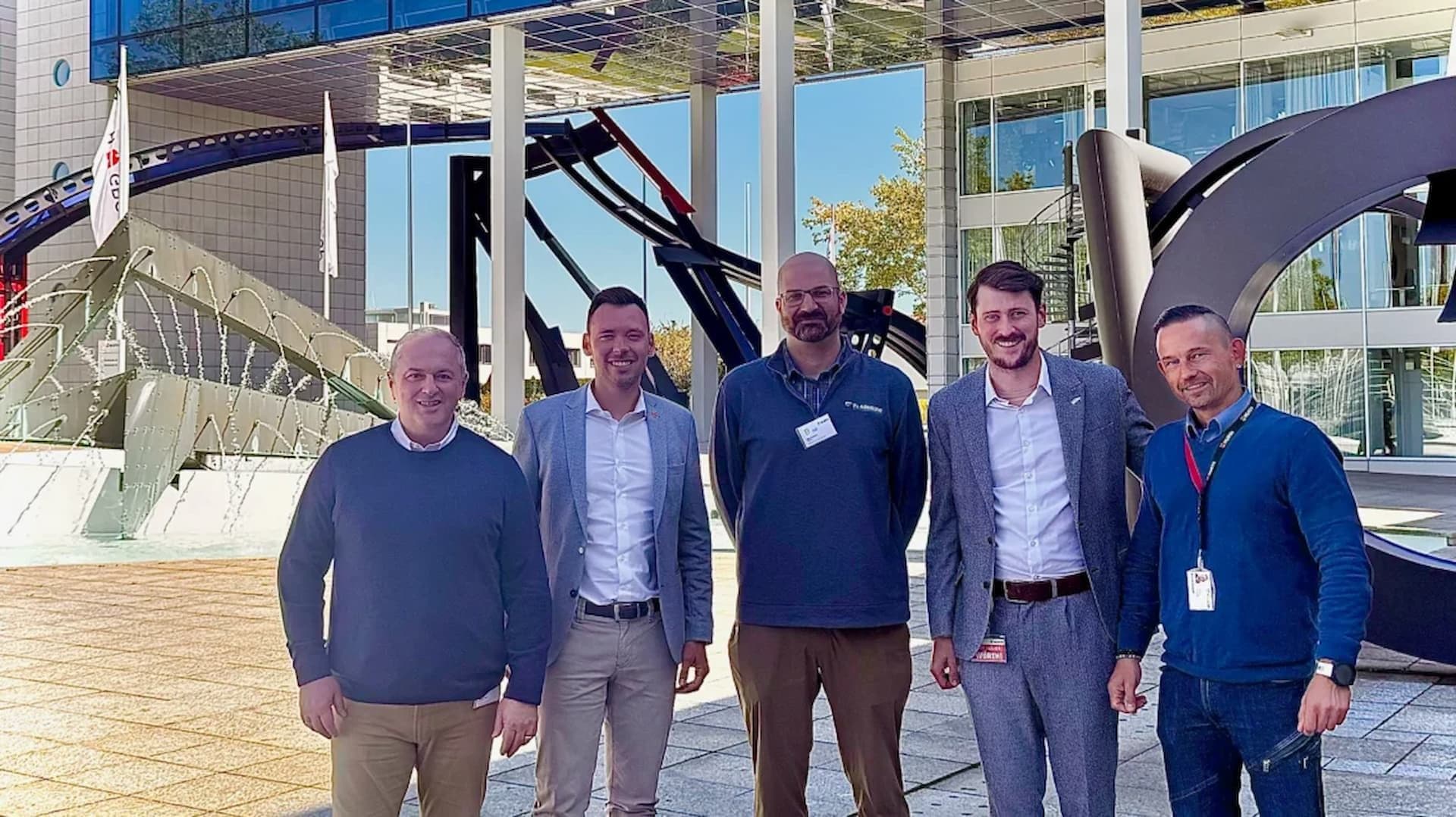
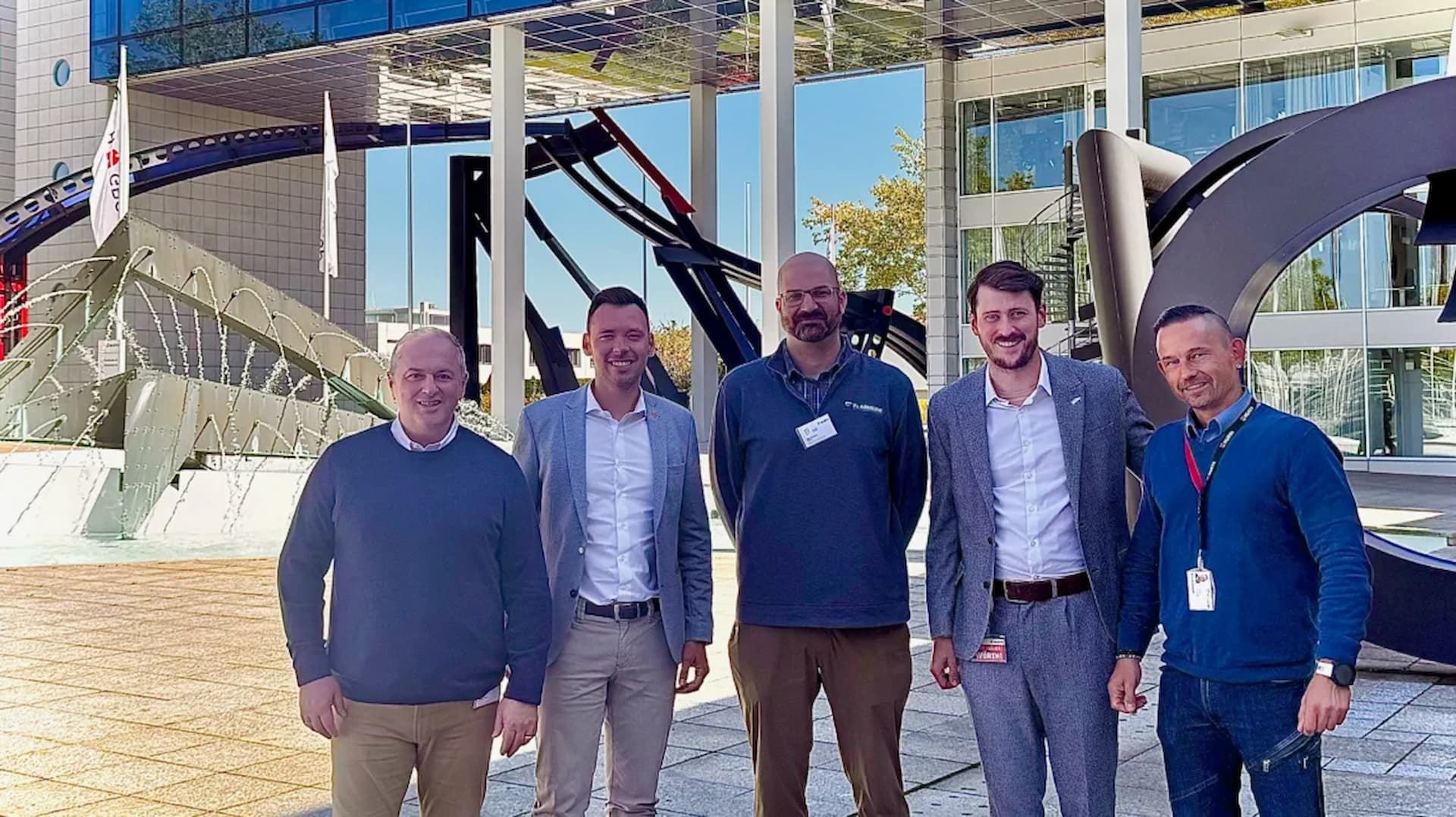
The Würth Group, one of the world's most respected leaders in the automotive aftermarket, welcomed Plasnomic to its global headquarters in Germany for an initial dialogue on shaping the future of plastic repairs. The company also signalled its interest in joining the Plasnomic Alliance, which now includes many of the most established players in the collision repair and aftermarket industries.
"The interest and support we've seen from Würth underlines the growing recognition that repair-first solutions are essential to the future of collision repair," said Brian Driehorst, CEO of Plasnomic. "With plastics making up an ever-larger share of modern vehicles, establishing industry standards for repair is more important than ever."
Driehorst said the milestone meeting marked the beginning of an alignment with Plasnomic's mission: creating a transparent, evidence-based framework for plastic repairs by advancing best practises and methods, validating tools and materials, and supporting repair-first strategies.
"For Würth, the opportunity connects directly to its long-standing commitment to innovation, sustainability, and the circular economy," noted Driehorst. "Repairing plastic components such as bumpers and headlights using industry-approved tools and materials, rather than replacing them outright, is increasingly recognised as critical to maintain safety, reducing waste, cutting costs, and improving repair outcomes for shops, insurers, and drivers alike."
He said Würth's decision to join the Plasnomic Partner Alliance reflects its strong commitment to contributing to an industry-wide framework that prioritises sustainability, quality, and compliance.
"With more than 70 years of leadership in innovation and industry solutions, Würth brings a wealth of experience and shared values that will strengthen this collective mission," added Driehorst.
By joining the Alliance, Driehorst said that Würth becomes part of a growing group of industry leaders supporting Plasnomic's mission to formalise plastic repair practises, set consistent standards, and provide a central platform for knowledge sharing, support, and guidance on the best tools and materials.