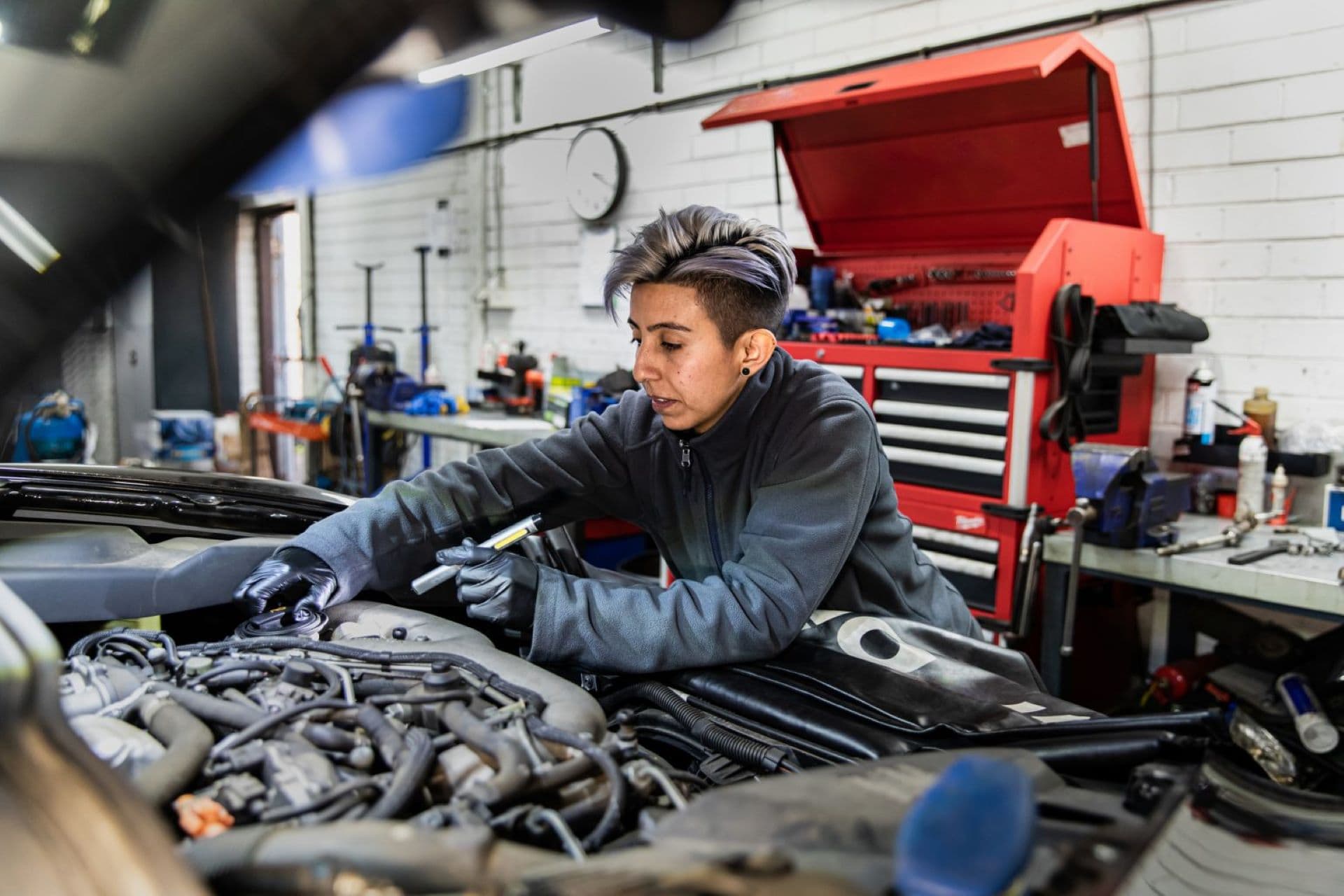
South Africa's automotive aftermarket sector is grappling with a critical skills shortage that mirrors challenges faced across the globe. Taking lessons from Australia's approach to addressing similar workforce gaps, local industry leaders are recognising that expanding female participation isn't just about transformation—it's about survival.
Recent Australian data from the Mining and Automotive Skills Alliance paints a familiar picture for South African operators: women comprise merely 20% of the automotive workforce, dropping to just 2.6% in automotive and engineering trades. This underrepresentation is particularly concerning when Australia faces a shortage of nearly 40,000 technicians—a crisis that resonates strongly with South African workshops struggling to find qualified staff.
The Local Reality
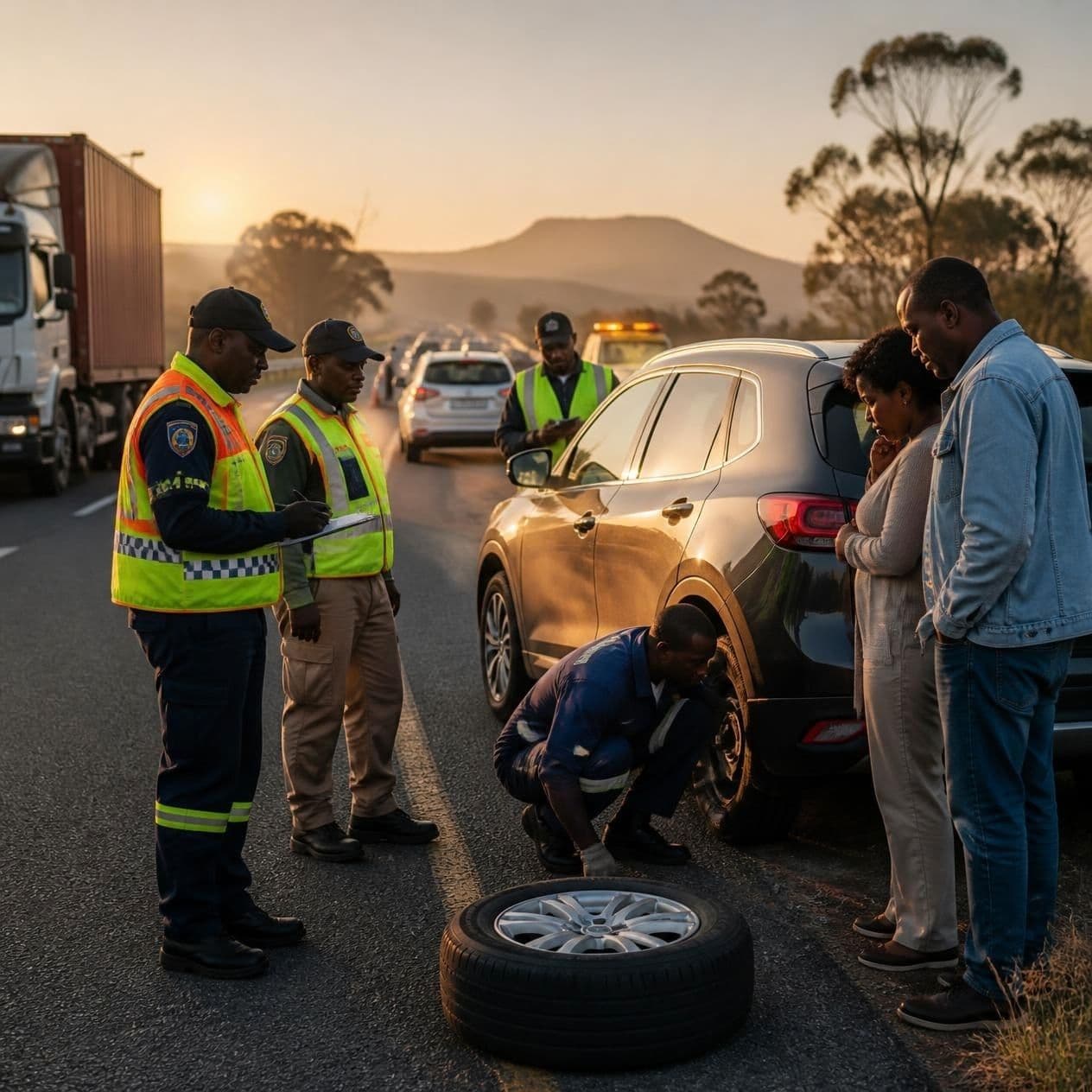
South African collision repair centres know this challenge intimately. From Cape Town's industrial hubs to Johannesburg's bustling workshops, business owners consistently report difficulty finding skilled technicians, spray painters, and panel beaters. The situation has been compounded by emigration, inadequate training infrastructure, and persistent gender stereotypes that discourage women from entering the trade.
"The numbers speak for themselves," notes a leading industry analyst. "When you're excluding half the population from your talent pool, you're essentially operating with one hand tied behind your back."
Learning from Global Solutions
Australia's response offers valuable insights for South African operators. The Australian Automotive Aftermarket Association (AAAA) has recognised that increasing female participation could significantly alleviate labour shortages. Their CEO, Stuart Charity, emphasises that this isn't merely about equity—it's a practical business imperative.
"Women represent a largely untapped resource within our industry," Charity explains. "Even a modest increase in female enrolment in automotive trades could make a substantial difference to workshop capacity nationwide."
The Economic Imperative
Research from Impact Economics and Policy suggests that increasing women's workforce participation could generate substantial economic benefits across all sectors. For collision repair businesses operating on tight margins, accessing this untapped talent pool could mean the difference between thriving and merely surviving.
The Australian model demonstrates that addressing skills shortages and harnessing female talent are complementary objectives, not competing priorities.
Actionable Steps for SA Workshops
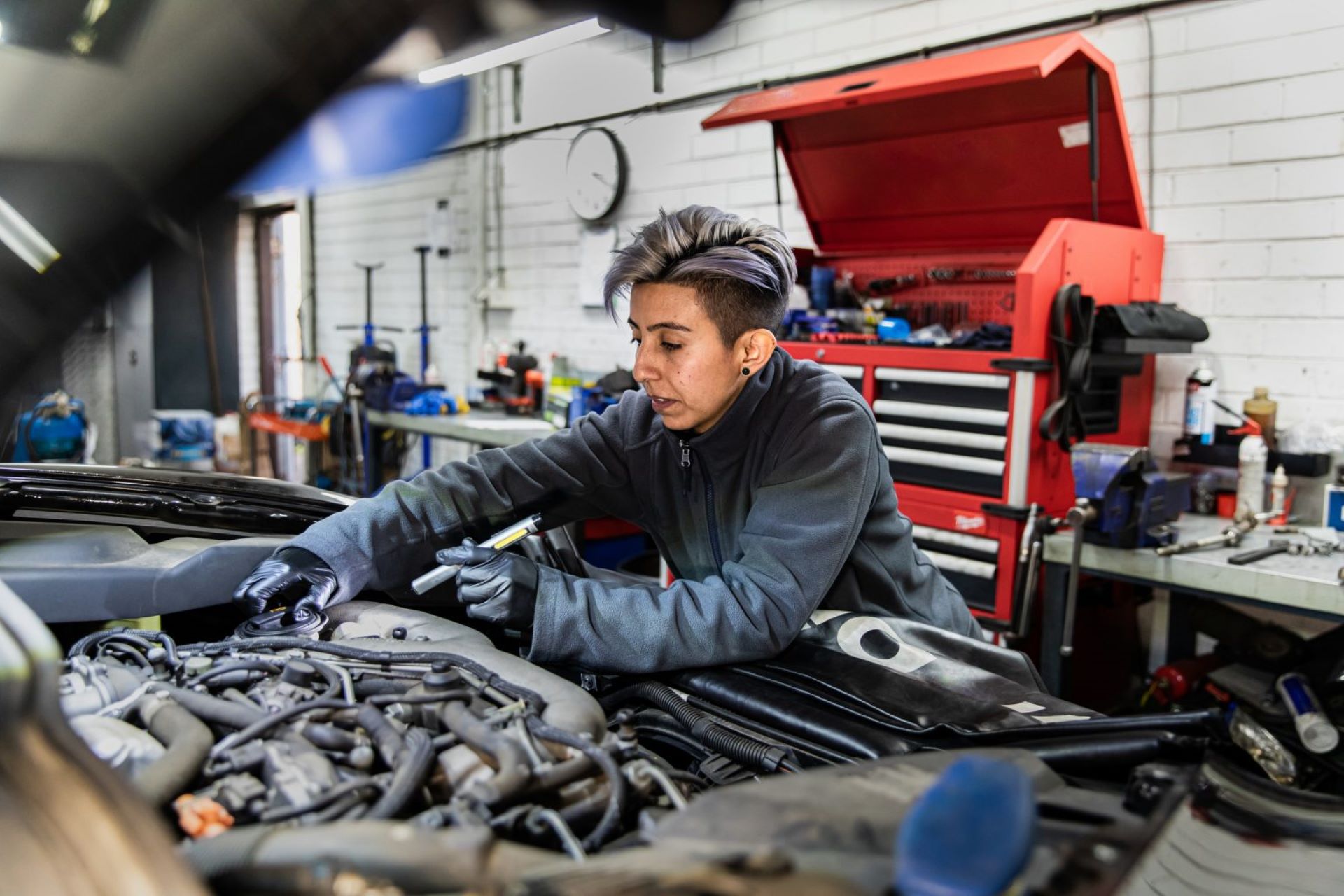
Drawing from Australia's initiatives, South African collision repair businesses can implement several strategies:
The Path Forward
The collision repair industry's future depends on its ability to adapt and embrace change. While traditional approaches to recruitment have served the industry in the past, current skills shortages demand innovative solutions.
By following Australia's lead in recognising women as a vital component of the solution, South African workshops can begin addressing their immediate staffing needs while building a more sustainable, diverse workforce for the future.
The question isn't whether the industry can afford to embrace female participation—it's whether it can afford not to. With workshops nationwide feeling the pressure of skills shortages, the time for action is now.
As the Australian experience demonstrates, expanding female participation in automotive trades isn't just fair—it's essential for industry survival and growth. South African collision repair businesses that recognise and act on this opportunity will position themselves at the forefront of a transformed, strengthened industry.