As thousands of matrics across South Africa receive their 2025 results, many are confronted with a defining question: what comes next?
Although university is often viewed as the traditional next step, it is by no means the only – or necessarily the most suitable – route to a rewarding, future-ready career.
For learners who enjoy practical problem-solving, working with technology and engaging in hands-on tasks, a trade within the automotive industry may offer the ideal opportunity to launch a meaningful career.
“University is not the right choice for everyone, and that is perfectly acceptable,” says Louis van Huyssteen, National Training Director at the Retail Motor Industry Organisation (RMI). “A trade qualification gives young people a direct pathway into substantial, purposeful employment. In the automotive sector, it opens doors both locally and internationally.”
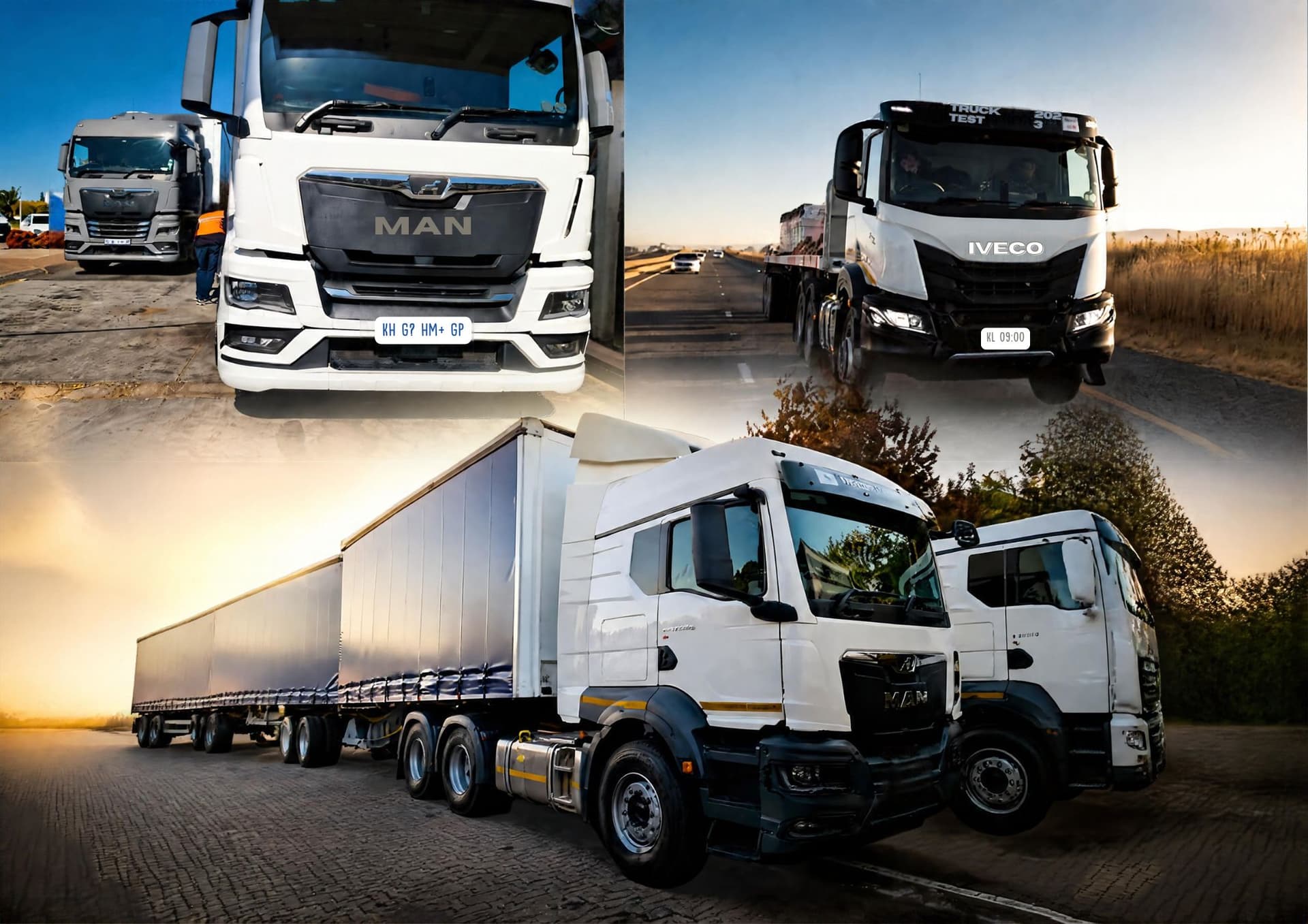
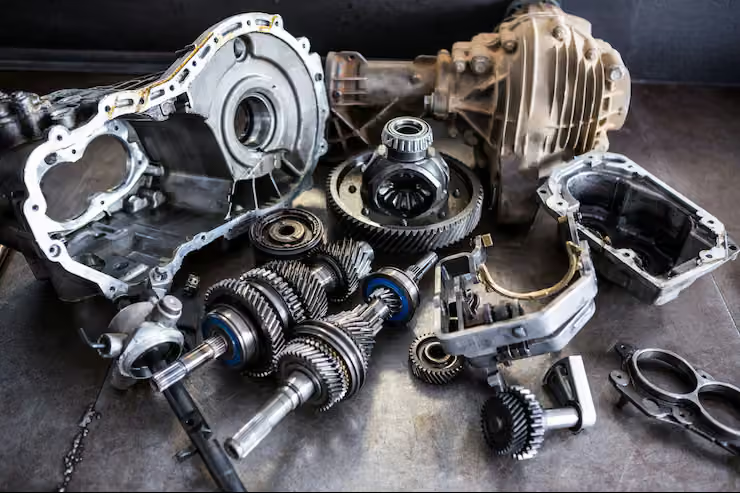
South Africa’s automotive aftermarket continues to be one of the country’s most reliable and valuable economic pillars, sustaining more than 300,000 jobs and over 22,000 businesses while contributing around 2.1% to national GDP. It provides an extensive range of specialised careers, including mechanical diagnostics, electrical systems, motor body repair, spray painting, parts supply, tyres and battery technology. Significantly, every one of these areas faces a shortage of qualified artisans.
“The truth is that South Africa urgently needs more skilled artisans,” Van Huyssteen notes. “Young people who choose this path are entering a sector that is technologically advanced, constantly evolving and rich in employment prospects. Many apprentices are offered positions long before they complete their qualifications.”
An apprenticeship blends theoretical study with practical training and on-the-job experience. Once learners have completed their modules, they can sit for a trade test to qualify as artisans – a designation respected and recognised globally.

With the shift to Occupational Qualifications now firmly established, learners benefit from a well-structured, industry-aligned training pathway designed to build genuine expertise and workplace competence. “These qualifications equip young people for the vehicles of tomorrow – hybrids, electric vehicles, advanced diagnostics and more,” adds Van Huyssteen.
The industry is also seeing encouraging progress in diversity. An increasing number of young women are entering artisan training programmes, excelling in mechanical, electrical, diagnostic and body repair fields. “Women bring precision, technical capability and strong problem-solving abilities,” says Van Huyssteen. “They are excelling in workshops and stepping confidently into leadership positions.”
For matriculants considering their next steps – especially those who may not have achieved the university entrance marks they hoped for – a trade offers a respected, practical and financially promising alternative. Many artisans advance swiftly, establishing successful careers or even launching their own businesses.
“An apprenticeship builds discipline, analytical thinking and resilience,” van Huyssteen explains. “These are lifelong skills. A young person who qualifies as an artisan can secure a stable career, support their family and make a meaningful contribution to the economy.”
The RMI encourages learners to explore opportunities through TVET colleges, accredited training providers and RMI associations such as MIWA (mechanical workshops), TEPA (tyres, equipment and parts) and SAMBRA (motor body repair).
“As we begin a new year, I want young South Africans to understand this: your future is not defined by a single examination result,” Van Huyssteen concludes. “There are many routes to success. A trade in the automotive industry is one of the most empowering, globally portable and opportunity-rich choices available.”