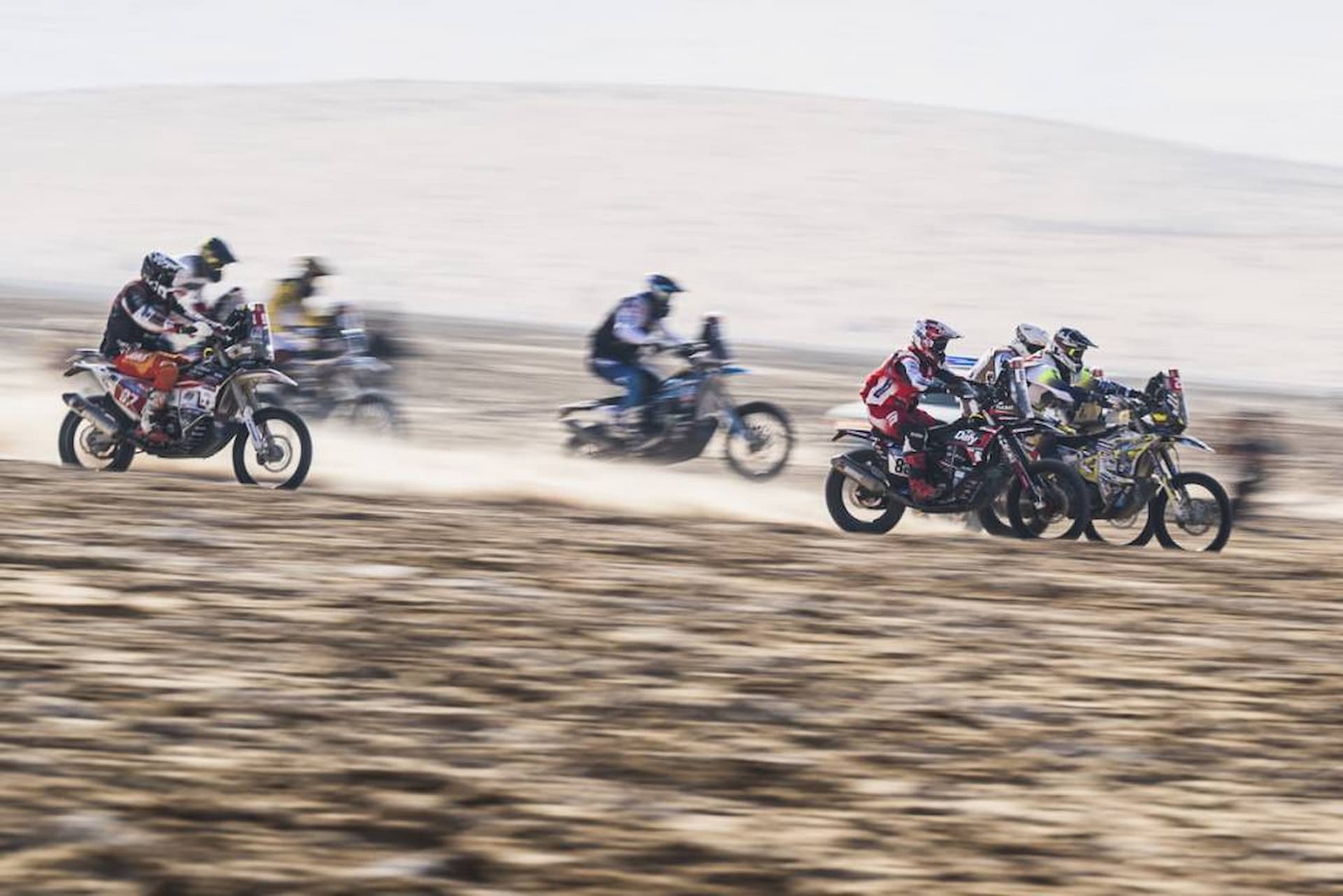
Mechanical failure is an unavoidable part of the Dakar Rally, widely regarded as the toughest motorsport event in the world.
Every competitor, whether on a bike, in a car or driving a truck, will face a breakdown at some point during the race. How they respond often determines whether they finish or withdraw.
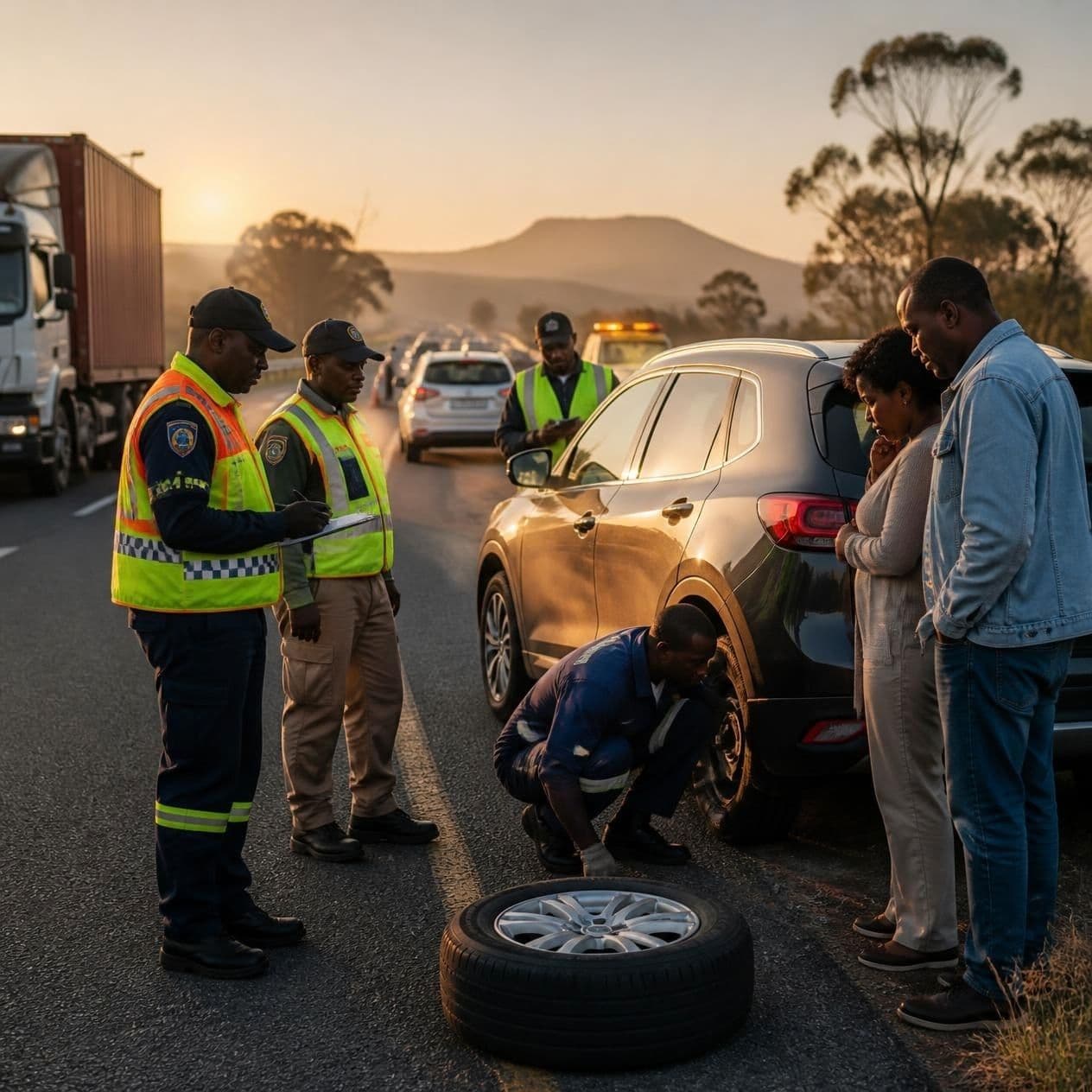
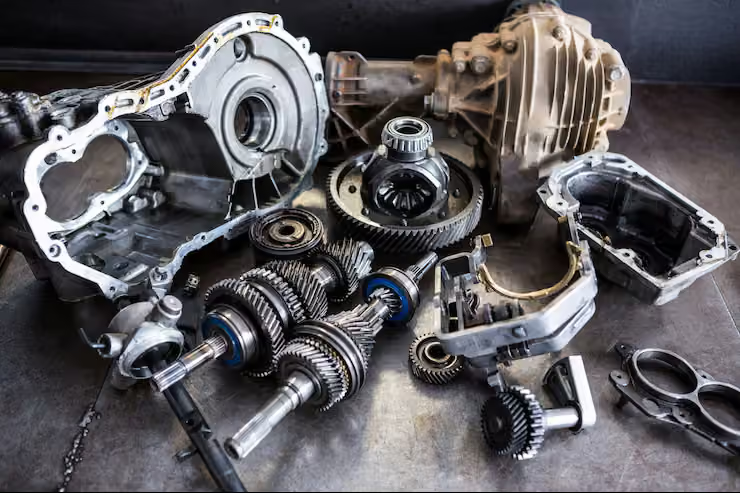
When a vehicle stops on a stage, crews must carry out repairs themselves. The rally enforces strict rules on self-sufficiency: each machine carries a limited toolkit and a small selection of spare parts. Common fixes include replacing tyres, suspension components and patching bodywork with improvised materials. Time is critical. A short delay can cost positions, while an hour-long repair may end hopes of a strong result.
Competitors are permitted to assist one another, provided the help comes from another entrant. Riders may share tools or parts, and vehicles can tow each other out of difficult terrain. Some factory teams enter additional “support racers” carrying spares to aid their lead drivers if needed.
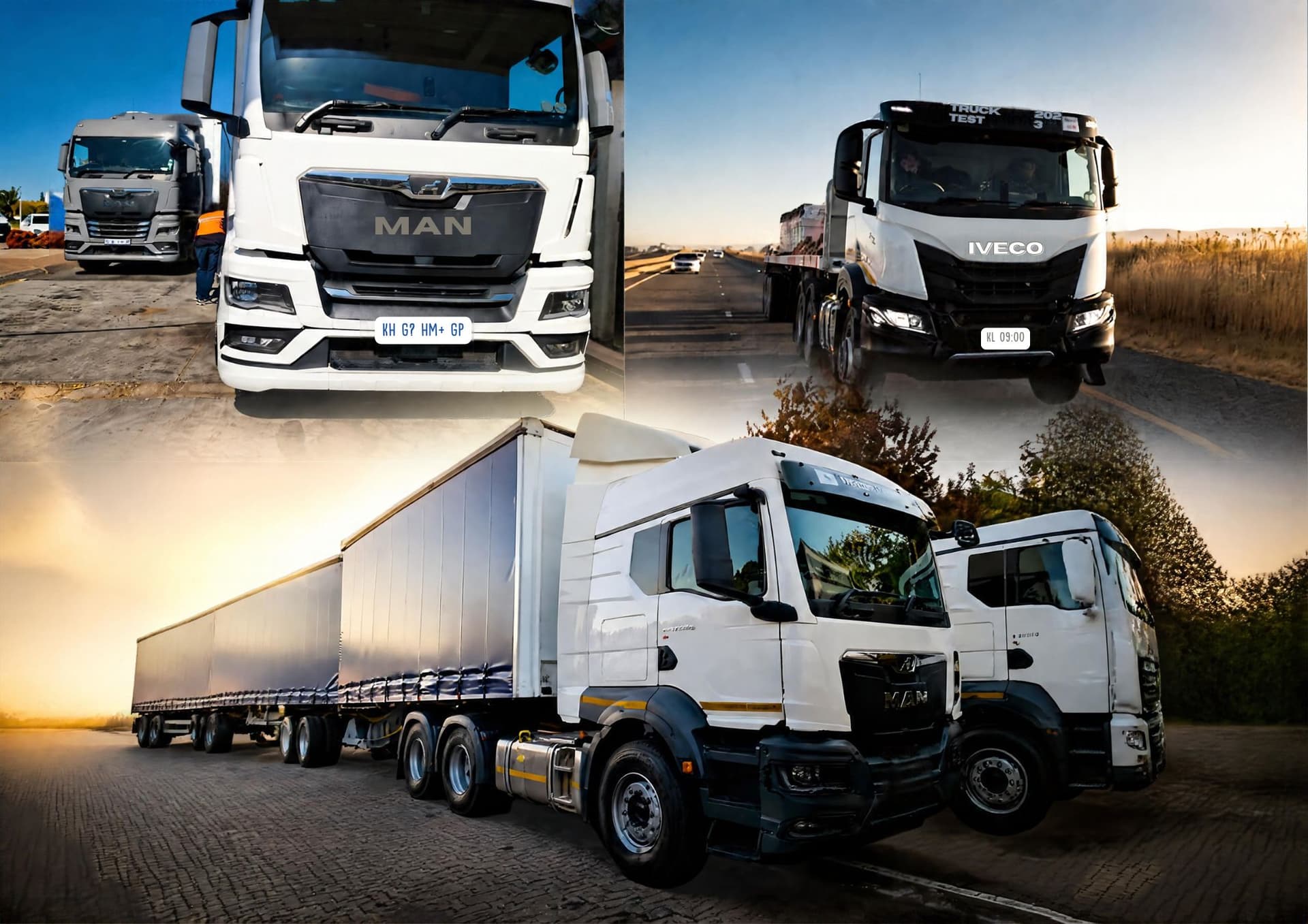
Larger teams also rely on race-assistance trucks, which follow the same route and act as mobile workshops. These vehicles carry mechanics and extensive supplies, but they are slow. When a leading car suffers a major failure, crews must decide whether to wait for assistance or attempt repairs alone.
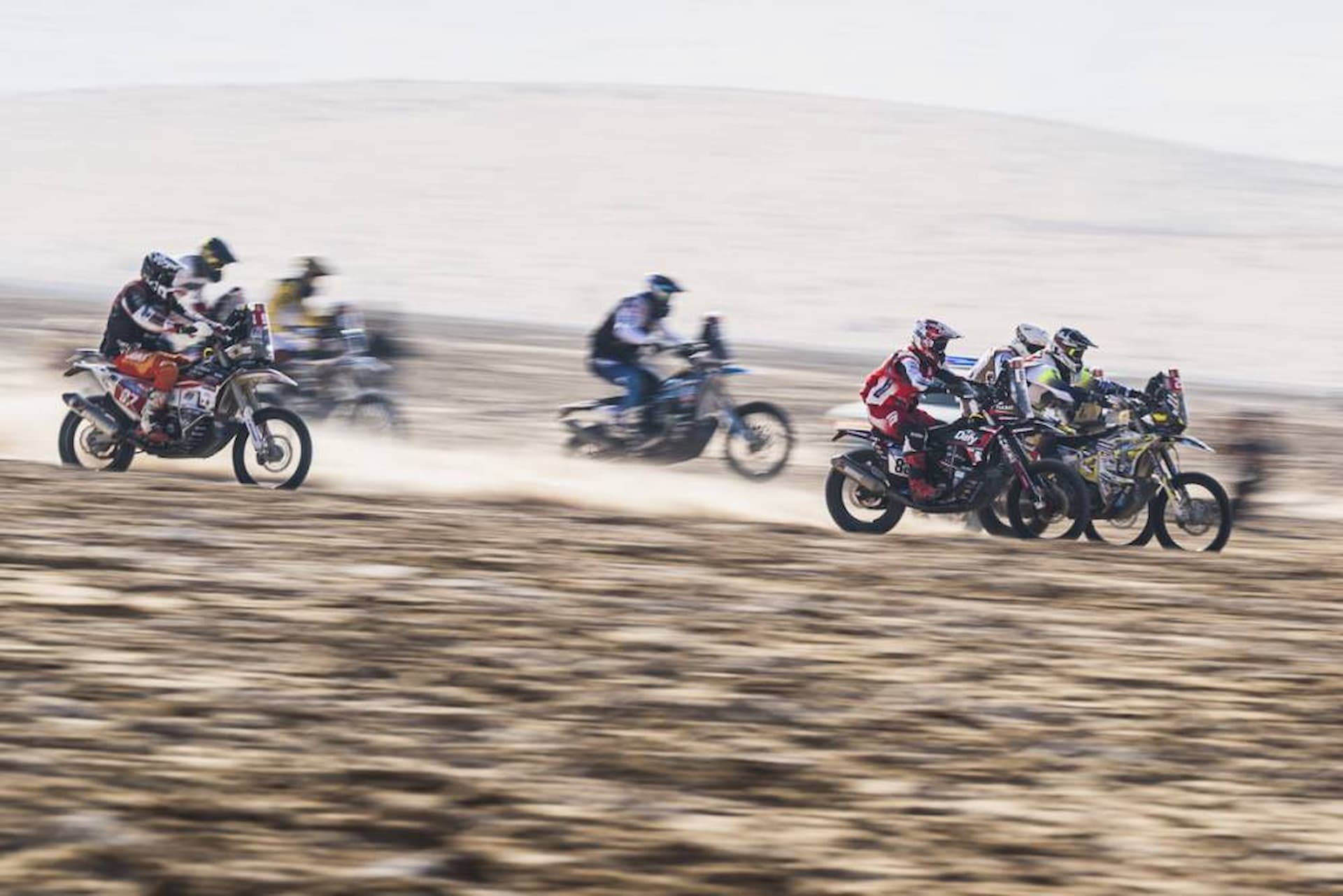
Outside help is strictly prohibited. Once a stage begins, no external vehicles or mechanics may enter. Accepting outside assistance results in immediate disqualification.
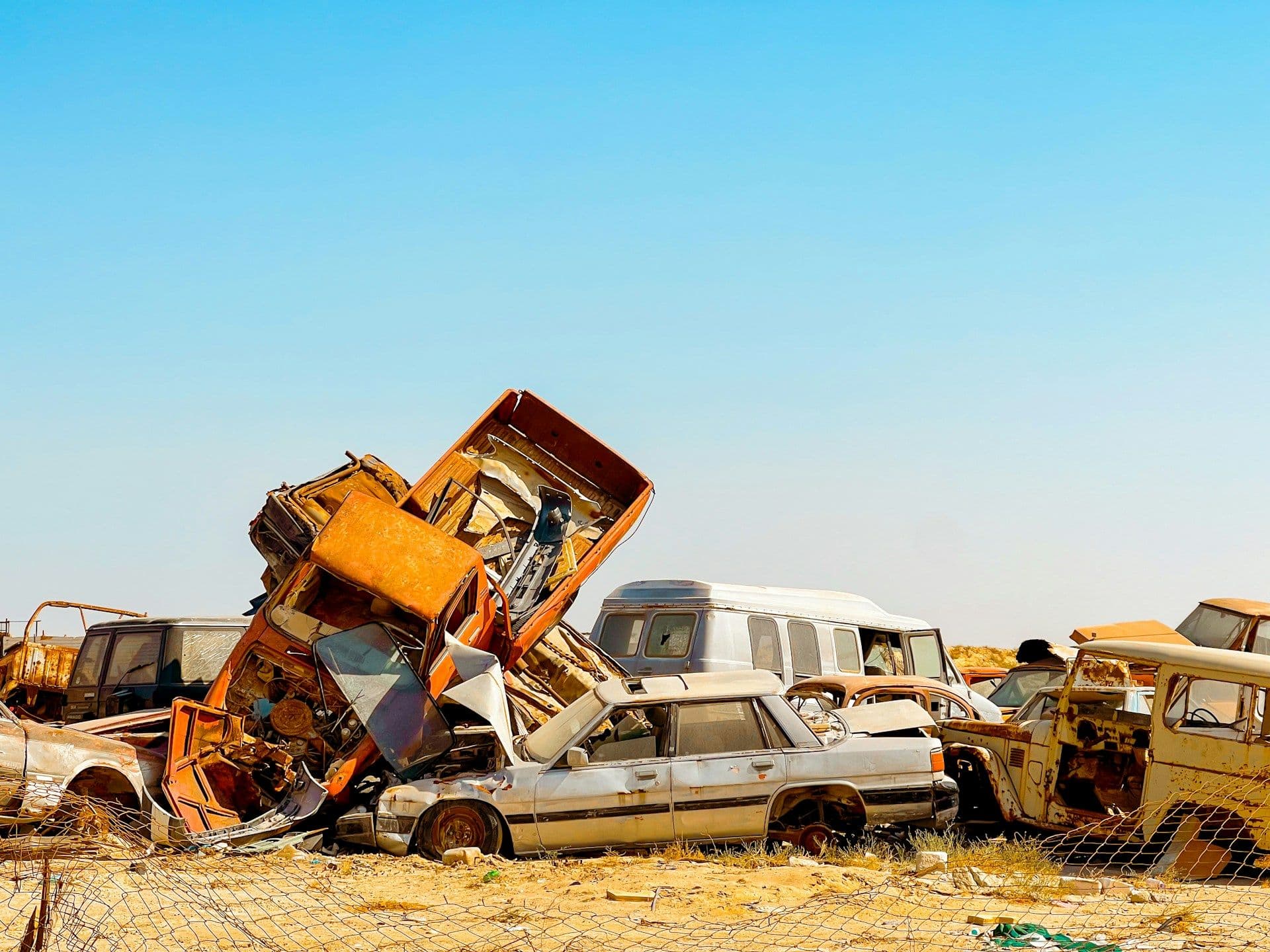
If repairs are impossible, organisers deploy recovery trucks to retrieve stranded vehicles. This usually ends a competitor’s run in the main classification, although some may continue in secondary categories depending on the year’s regulations.
Those who manage to reach the bivouac—the overnight camp—can access full team support. Mechanics work through the night under floodlights, replacing engines, welding chassis and restoring electronics. Sleep is rare; the next stage begins at dawn.
On marathon stages, even this support disappears. Competitors camp in remote locations without mechanics or assistance trucks, relying solely on their own tools and ingenuity.
Breakdowns in Dakar are more than technical setbacks. They test resilience, resourcefulness and endurance. For some, repairs lead to remarkable recoveries. For others, a single failed component ends months of preparation. It is a reminder that in the Dakar Rally, the desert is as much an opponent as the clock.