The Vehicle Testing Association (VTA) has once again added its voice to the choir calling for stricter oversight and enforcement in the country’s roadworthy certification process.
This follows a recent investigation by the Organisation Undoing Tax Abuse (OUTA), which uncovered widespread corruption at vehicle testing stations (VTSs), where fraudulent roadworthy certificates were issued without physical inspections.
VTA Chairperson, Ferose Oaten, acknowledges the validity of OUTA’s findings and confirms that similar issues have been observed in the Western Cape. “We have experienced instances where a vehicle is placed on the inspection pit, only for the driver to receive a call from the owner instructing them to stop the test because they have already obtained a certificate from another province.”
Oaten stresses the importance of addressing this issue urgently. “Fraudulent certifications endanger lives and must be eradicated to ensure that only roadworthy vehicles are on our roads. As the VTA, we support OUTA’s call for further investigation and appeal to all statutory roadworthy testing agents to uphold the law and operate with integrity.”
Julian Pillay, national director of VTA also highlights the disparity in testing frequency, noting that while buses are required to undergo roadworthy inspections every six months, taxis are only tested annually. “This raises concerns about the safety of public transport vehicles, especially considering the high number of commuters relying on them daily,” he says.

Oaten advocates for further industry collaboration to drive meaningful reform, including increased pressure for periodic testing across all vehicle categories. “One of the most effective ways to curb fraud is to automate the test lane process in accordance with the minimum ARSO standards, as mentioned in our recent letter to the Minister of Transport. This would make it significantly more difficult for a vehicle to be certified without undergoing a physical inspection.”
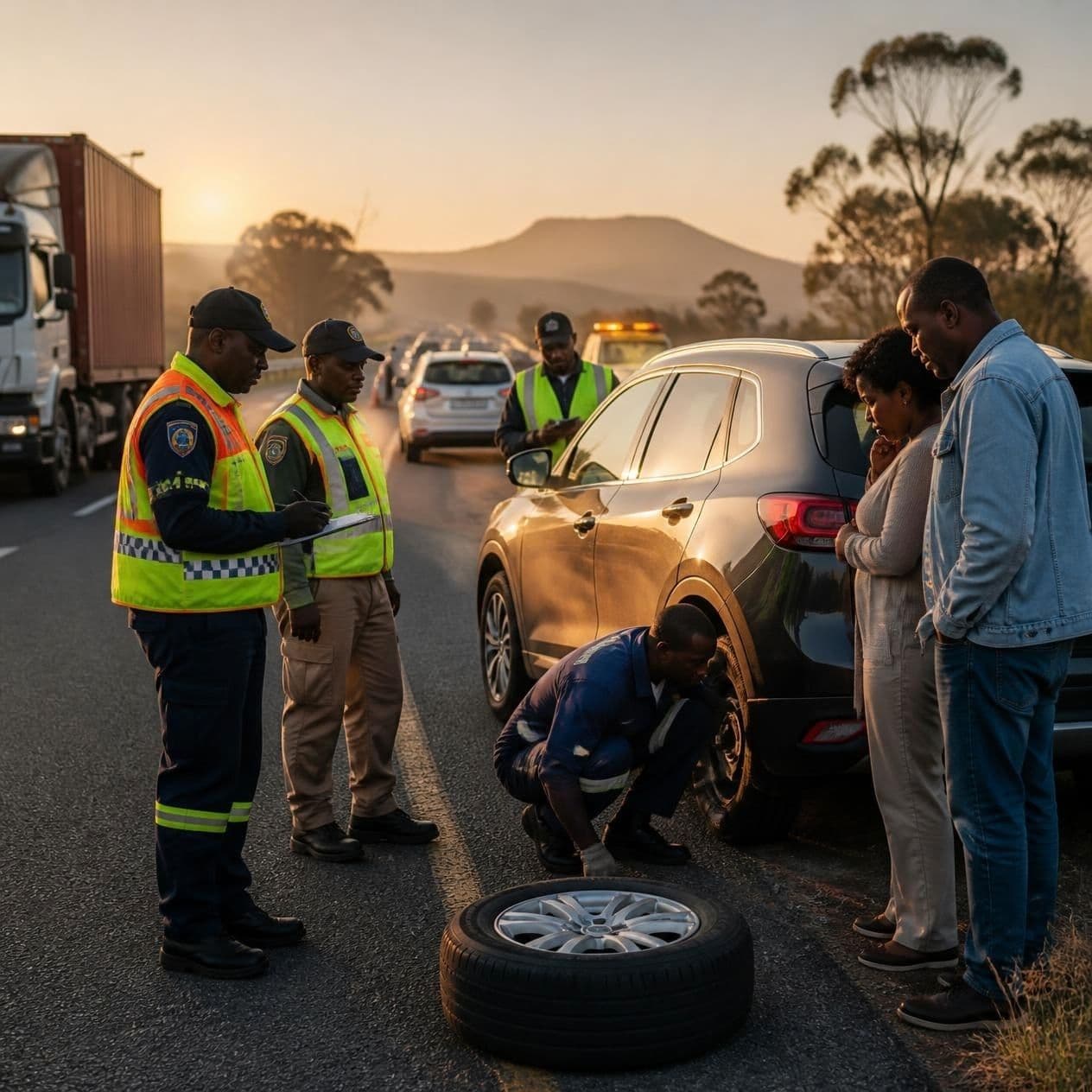
With road fatalities at critical levels, stricter roadworthiness inspections are essential. Alarmingly, despite South Africa’s vehicle population exceeding 13 million as of March 2024, nearly 80% are not subject to regular checks. Currently, private vehicles are only tested upon a change of ownership, while taxis and trucks are tested annually and buses every six months. This means that only 21% of the national vehicle fleet is subject to roadworthiness testing, a gap that significantly impacts road safety.
“The lack of regular inspections, combined with poor road conditions and driver behaviour, contributes to the alarming road safety statistics. The RMI remains committed to working alongside organisations like OUTA and the Department of Transport to support any initiatives in maintaining a safer vehicle fleet. We advocate for the implementation of more frequent roadworthiness testing, as originally proposed in Regulation 138 of the 22nd Amendment of the National Road Traffic Act. This amendment stipulates that vehicles older than 10 years should undergo testing every two years, but we are still awaiting confirmation on when this regulation will take effect,” Oaten notes.
“By strengthening enforcement and embracing technological advancements in testing processes, South Africa can take a significant step towards reducing road fatalities and creating safer driving conditions for all road users,” concludes Oaten.