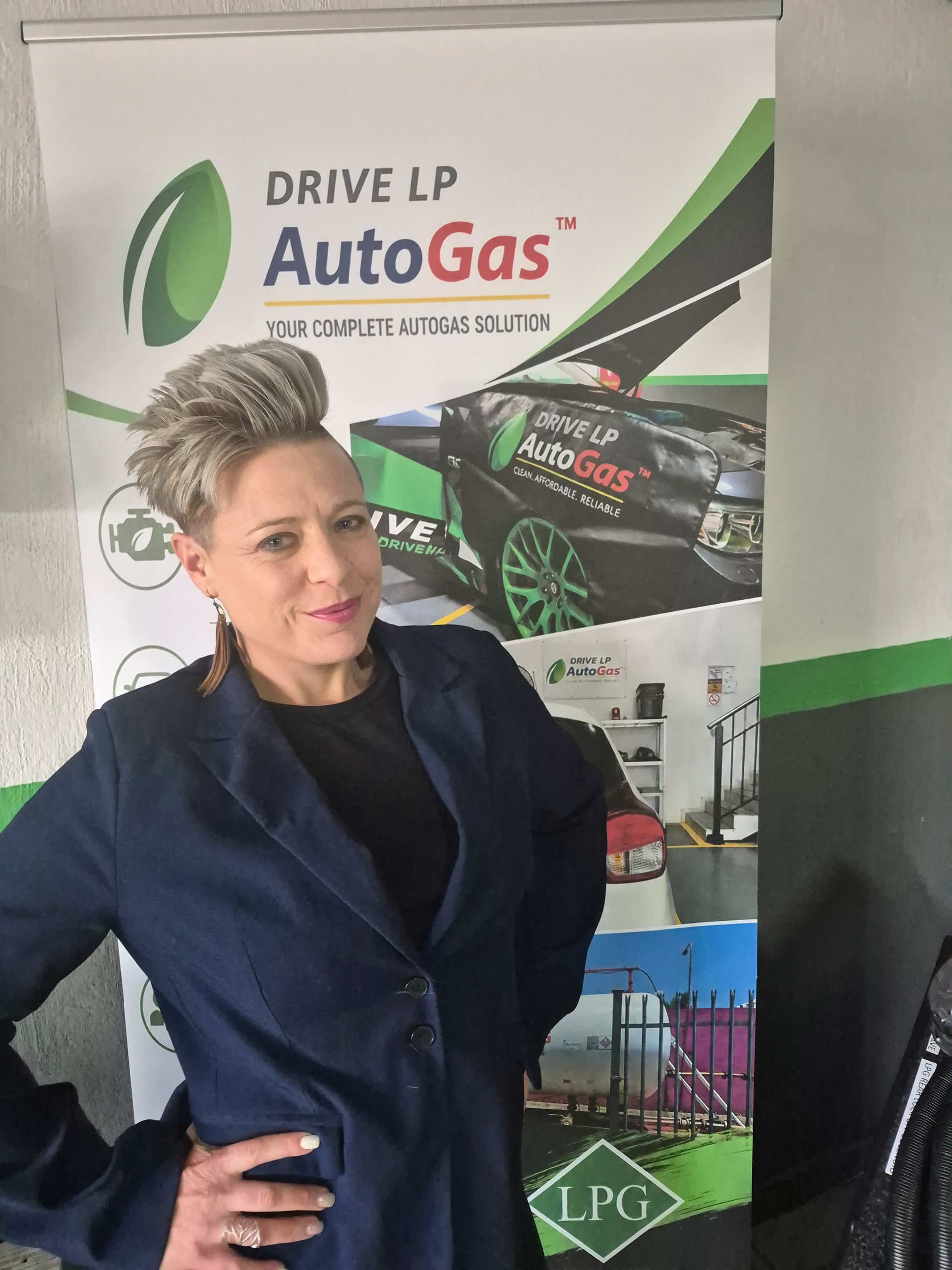
Developing skills and creating career awareness are at the top of the agenda for Ashley Samuel, the newly appointed National Director of NADA. Taking over from Gary McCraw, now acting COO of the RMI, Ashley is committed to strengthening the sector through training and recruitment.
“Our main focus right now is looking after our members and lobbying on their behalf when industry or government issues arise,” he explains. A seasoned professional with experience in both the public and private sectors, Ashley has a strong passion for the automotive industry and a clear vision for addressing its pressing challenges.
Skills shortages remain a significant concern. “Recycling staff is not a solution. We need to upskill existing teams and attract a new generation,” says Ashley. He places strong emphasis on hosting career days to showcase opportunities within the sector and inspire young people to consider careers in automotive retail and repair. Through the RMI, NADA offers access to courses and bursaries at no cost to dealerships or participants, aiming to make skills development widely accessible.

The shortage of skilled workers has been years in the making, driven by retirements and emigration. Smaller businesses often struggle with recruitment and training costs, which has contributed to a reliance on poaching talent. Bridging programmes at TVET colleges are also critical for meeting technical requirements in maths and science.
Ashley acknowledges that reversing the trend will take time but is confident that sustained efforts will stabilise the situation. Alongside skills development, NADA is also working with OEMs on challenges such as corporate identity costs and dealership compliance.
Despite obstacles like fraud and inflation, Ashley remains optimistic. “Our role is to create an environment where dealerships and service centres can thrive,” he says. With focused engagement and industry-wide cooperation, NADA aims to secure a strong future for automotive retail and repair in South Africa.