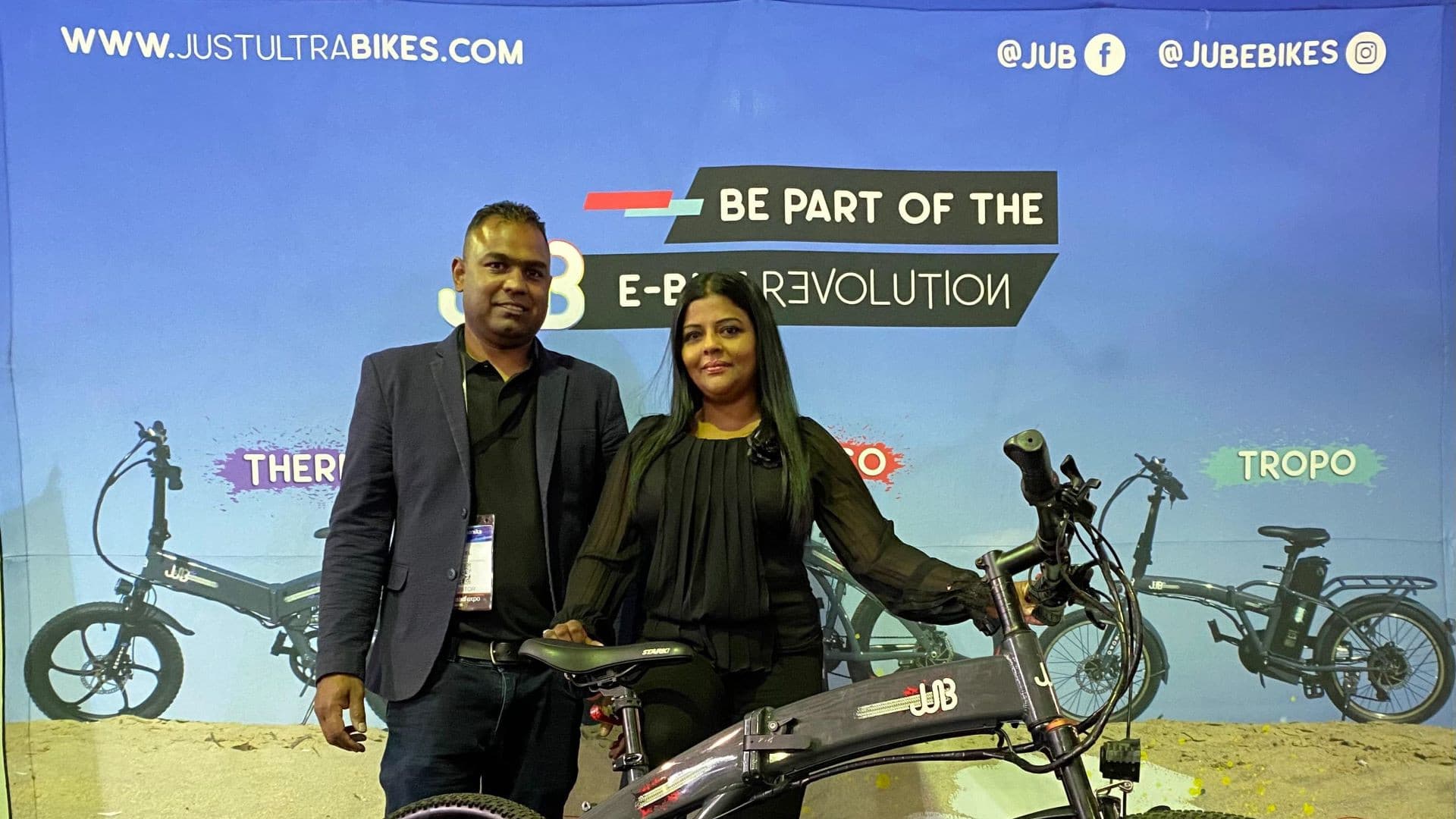
Written by Salim Nkosi, a student at the University of Witwatersrand -
Audiomotion is a company that focuses on making cycling easier by providing cycling solutions through electrical innovation. These bikes provide the cycling experience to its users without them having to pedal. It is up to the riders of the bikes whether they decide to throttle or pedal.
Ultra-bikes function just like motorbikes, the only difference is that they are much more portable and slower than the ordinary bikes. Their target market is ordinary people but with more emphasis on professional cyclists.
They operate on batteries, which are frequently charged when they run flat, but that does not mean that if the battery is low, they cannot move. One of their biggest advantages is that they are foldable and can be carried everywhere. They are made of aluminium, which makes them light weight. They have a 360W motor and a 36V battery, which make them more reliable.
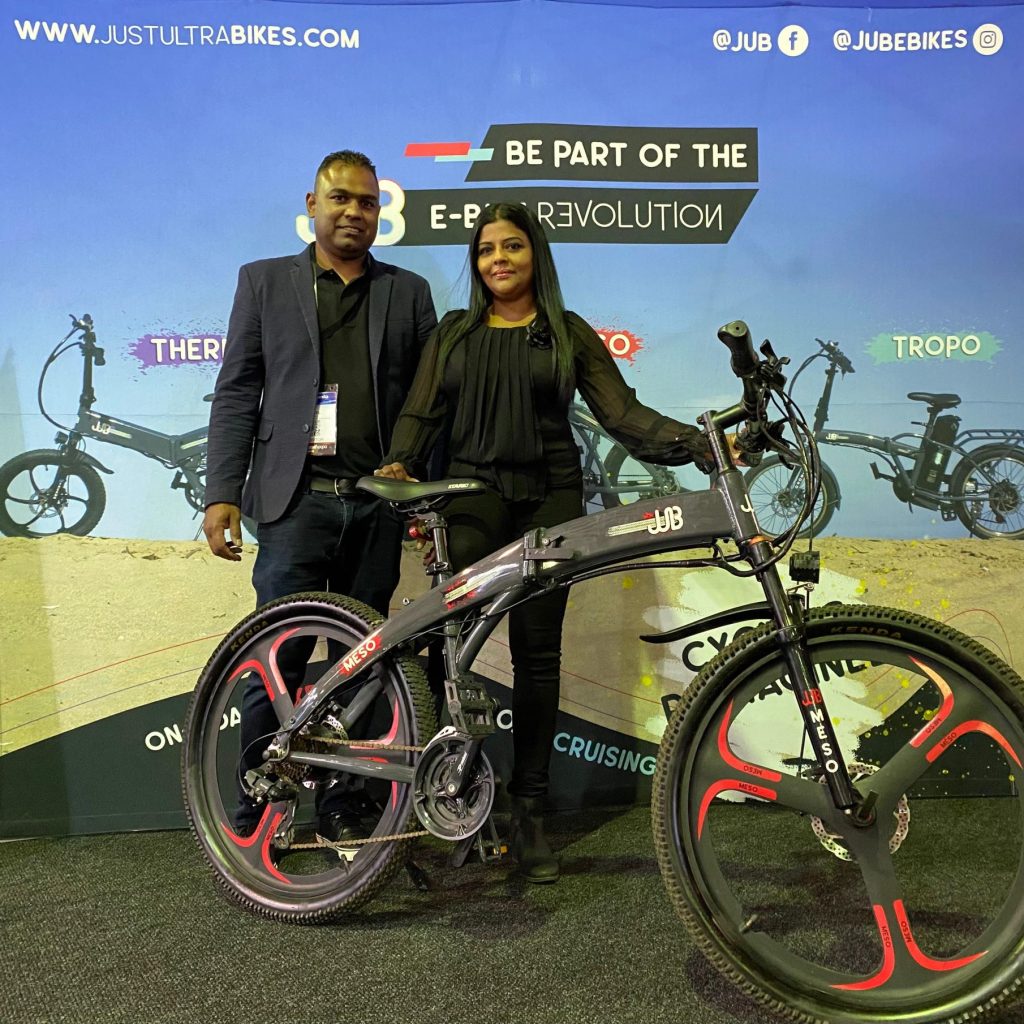
Audiomotion attended the Automechanika event last year, where the company showcased the ultra-bike for the first time. The company has introduced new innovations to surprise this year’s customers by introducing high-end truck dash cameras and rear-view mirror cameras. Audiomotion has been supplying companies such as Land Rover with screens for the past 20 years, which makes it very reliable in the automotive space.
The rear-view mirror cameras also operate on battery, and they have two cameras, the front and rear camera, which are both high resolution and make it easier for drivers to see both sides of the car.
The second innovation that came as a surprise to customers this year was their recent launch, which is the extended laptop screens. According to the company’s sales executive, Kamel Matabadal, these laptops are connected to the actual main laptop, and users can have multiple screens and can work on multiple projects all at once.
Kamel said the challenges faced by the business are mainly on the supply side, as they tend to supply car dealers and if no one is purchasing cars that means they are not making any income. He believes that since the interest rate is coming down this will have a positive effect on the company.