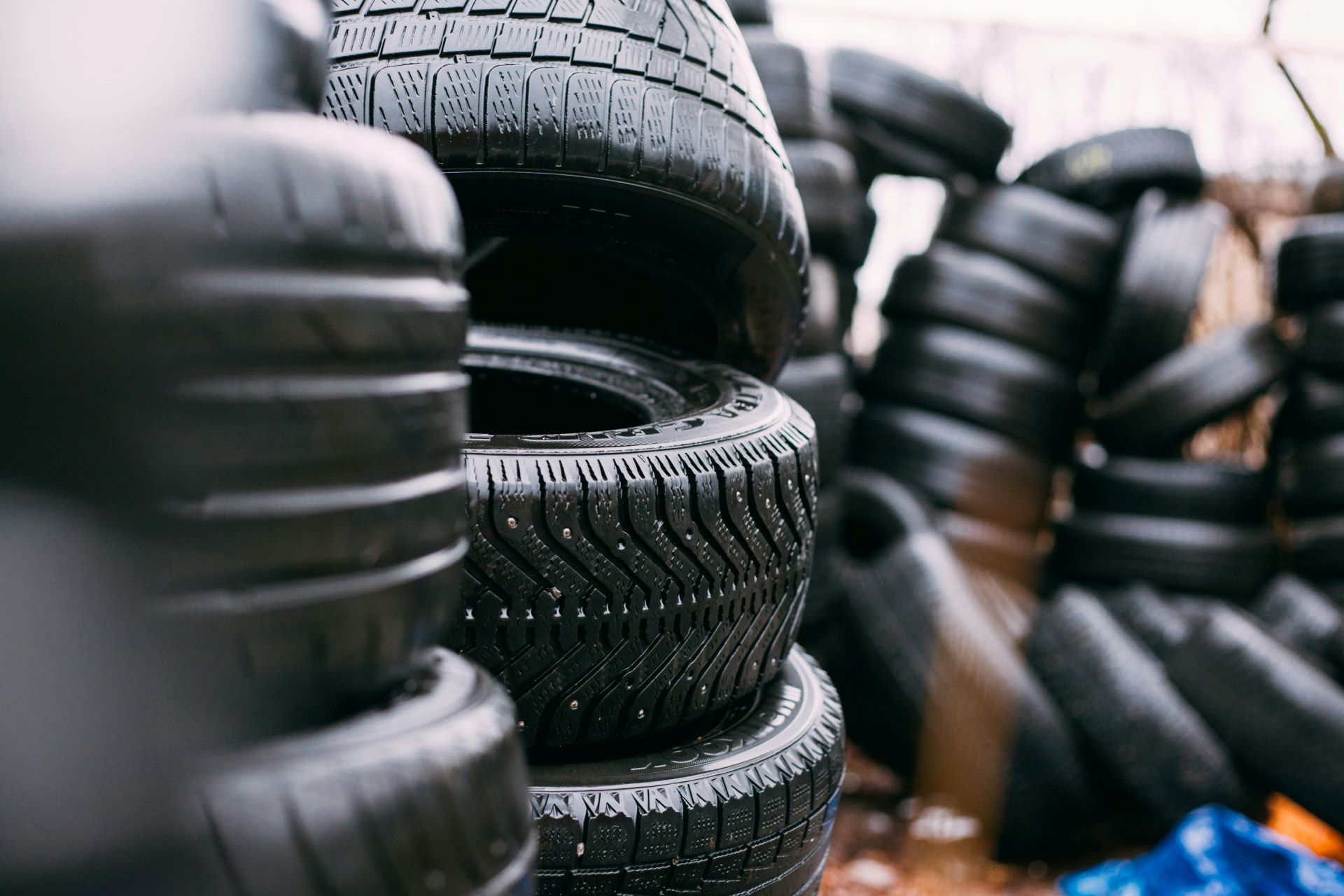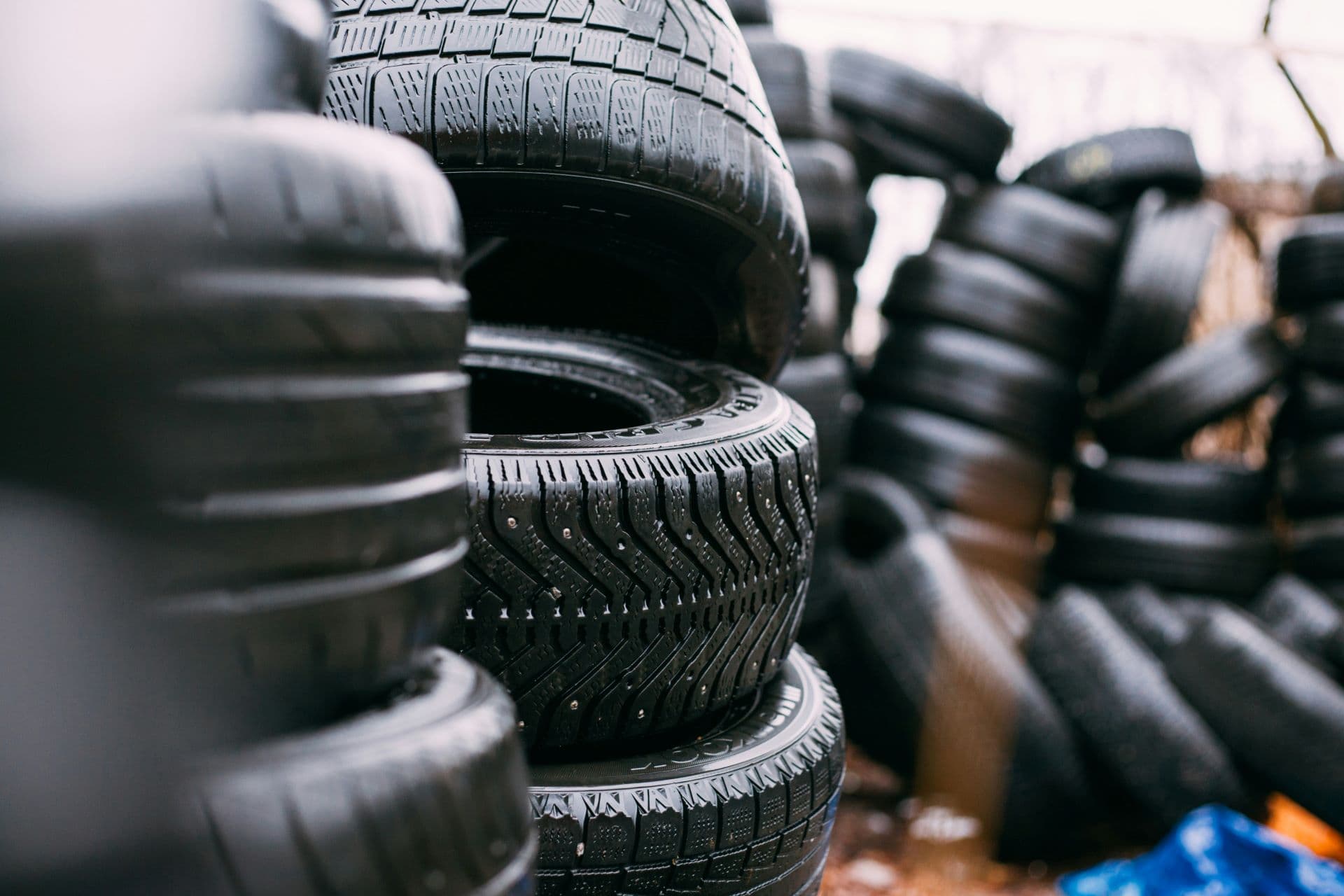
The Tyre, Equipment, Parts Association (TEPA), an association of the Retail Motor Industry Organisation (RMI), has welcomed the recent reminder letter from the Waste Bureau to all tyre dealers, reinforcing their legal responsibilities in handling and disposing of waste tyres.
This directive comes at a critical time when the complexity of waste tyre management requires the full support of the entire tyre industry value chain.
According to Vishal Premlall, National Director of TEPA and a member of the Waste Tyre Management Industry Advisory Committee, dealers play a crucial role in ensuring waste tyres are stored, mutilated, transported, and disposed of responsibly. He emphasizes that recycling remains the key to reducing the negative environmental impacts of waste tyres by finding ways to repurpose them into usablematerials.
Under the Waste Tyre Regulations of 2017, tyre dealers must segregate and store waste tyres safely until collection, mutilate end-of-life tyres to prevent reuse except through approved recycling streams, and use only registered transporters and processors for collections. Perhaps most importantly, they are prohibited from the public resale of waste tyres, which constitutes a serious violation that can result in fines and prosecution.
The Department of Forestry, Fisheries and the Environment, through the Waste Bureau, continues to monitor and audit tyre dealers for compliance. Any dealer found to be selling, distributing, or disposing of waste tyres unlawfully will face enforcement action as per the Waste Act and its regulations. Premlall urges all dealers to urgently review their current waste tyre disposal practices and ensure full compliance, notingthat assistance is available through the Waste Bureau or local environmental authorities for those seeking to verify registered waste tyre transporters in their area.
The consequences of non-compliance extend far beyond potential penalties. As Premlall explains, violations exacerbate the environmental crisis, with stockpiled and illegally dumped tyres creating fire hazards, leaching harmful toxins into soil and water, and increasing the risk of diseases. Recognizing the severity of this issue, TEPA launched its own whistleblower hotline in 2023 to report illicit trading andstockpiling and continues to lobby for the establishment of an industry compliance forum to deal decisively with malpractice.
The responsibility for proper waste tyre management extends beyond dealers to consumers, who can play their part by ensuring that their used tyres are handed in at registered TEPA dealers for proper disposal. Premlall concludes that it is in everyone's interest to keep South Africa clean, safe, and legally compliant, with TEPA remaining committed to working with all industry stakeholders to find sustainable solutions and develop a practical implementation plan for waste tyre disposal.