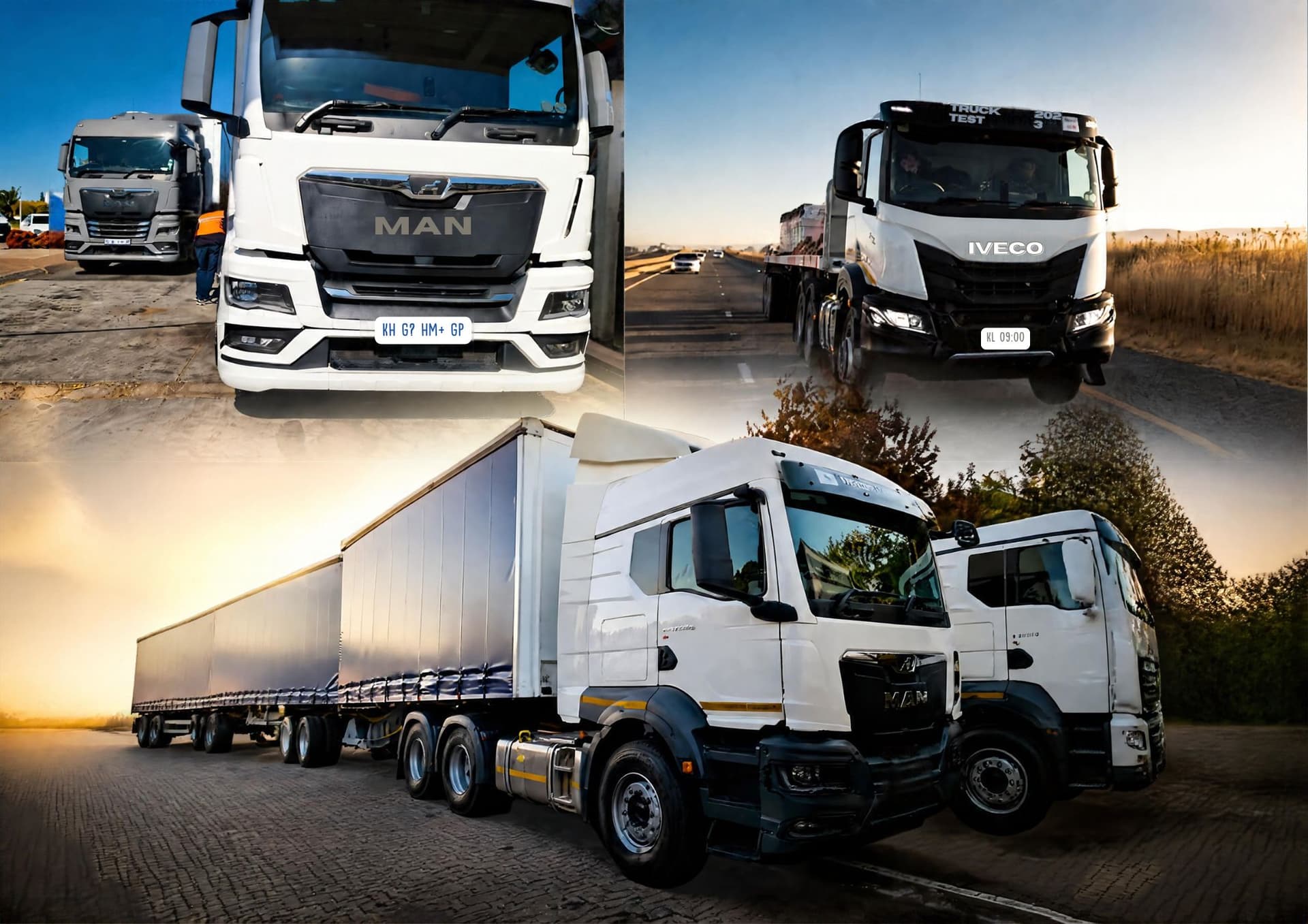
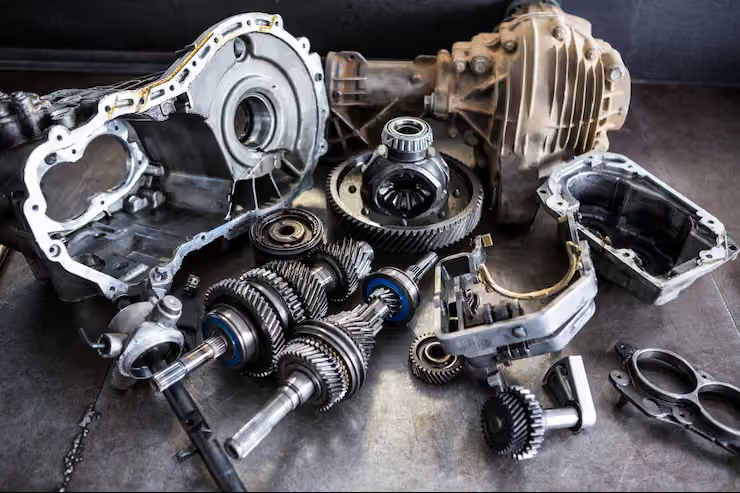
On March 26, 2025, U.S. President Donald Trump announced the imposition of a 25% tariff on imported automobiles and certain automobile parts, effective April 3, 2025.
This move aims to bolster US domestic manufacturing by reducing reliance on foreign automotive products. However, the announcement has introduced uncertainty regarding its impact on South Africa's automotive industry, particularly concerning the duty-free benefits previously enjoyed under the African Growth and Opportunity Act (AGOA).
South Africa has been a significant beneficiary of AGOA, with automotive exports playing a pivotal role. In 2023, the country exported approximately $1.6 billion worth of fully assembled vehicles to the U.S., and in 2022, duty-free exports of automotive parts and accessories were valued at around $62 million. Since 2000, South Africa has exported approximately $22.5 billion worth of motor vehicles to the U.S. under AGOA, accounting for over 99% of its automotive exports in this category during that period.
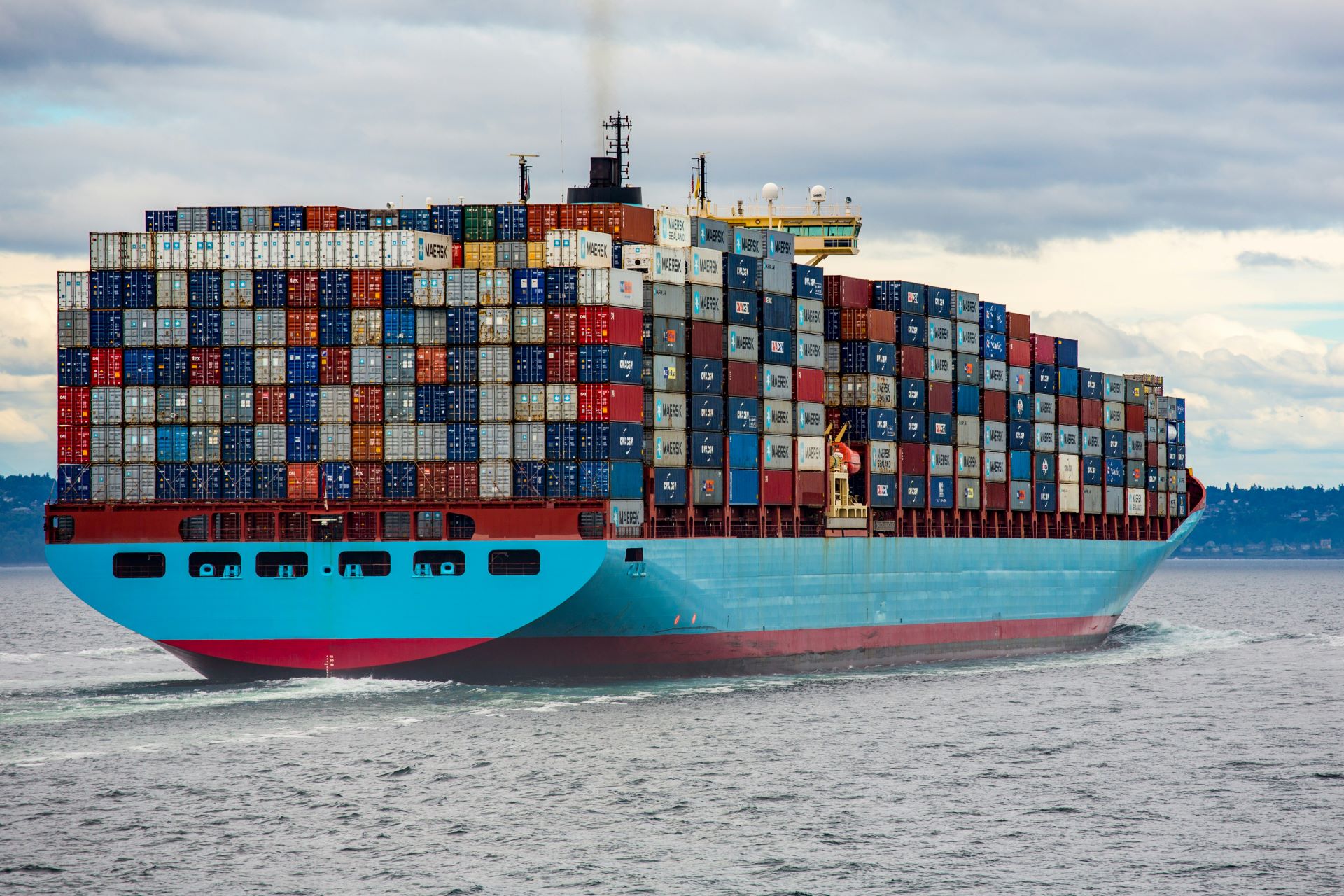
The introduction of these tariffs raises concerns about the future of these exports. The Automotive Business Council (Naamsa) has indicated that it remains unclear whether the new tariffs will encompass South Africa's AGOA-eligible automotive products. Naamsa is actively engaging with its members but acknowledges that the situation is currently one of waiting for further clarification.
Similarly, the National Association of Automotive Component and Allied Manufacturers (NAACAM) has expressed apprehension. Renai Moothilal, NAACAM's CEO, conveyed deep concern about the potential ramifications for local manufacturing should South African automotive exports become subject to these tariffs. The industry is poised for significant disruption, pending the outcome of the U.S. administration's final decision.
The potential imposition of tariffs on South African automotive exports could have far-reaching consequences. Beyond the immediate financial impact, there is the potential for reduced demand for locally produced rubber, manufacturing equipment, and logistics services. This downturn could lead to factory downsizing, job losses, and underutilization of investments made to meet U.S. safety and environmental standards.
The broader context includes President Trump's emphasis on implementing "reciprocal" tariffs aimed at reducing the United States' reliance on foreign goods. These measures are expected to generate approximately $100 billion in tax revenue. However, U.S. industry analysts warn that the tariffs could lead to significant increases in vehicle prices for American consumers, potentially adding thousands of dollars to the cost of imported cars.
As the April 3 implementation date approaches, the South African automotive industry remains in a state of uncertainty. Stakeholders are closely monitoring developments and engaging in dialogue to understand the full implications of the U.S. tariffs. The outcome will be critical in determining the future trajectory of South Africa's automotive exports and the broader health of its manufacturing sector.