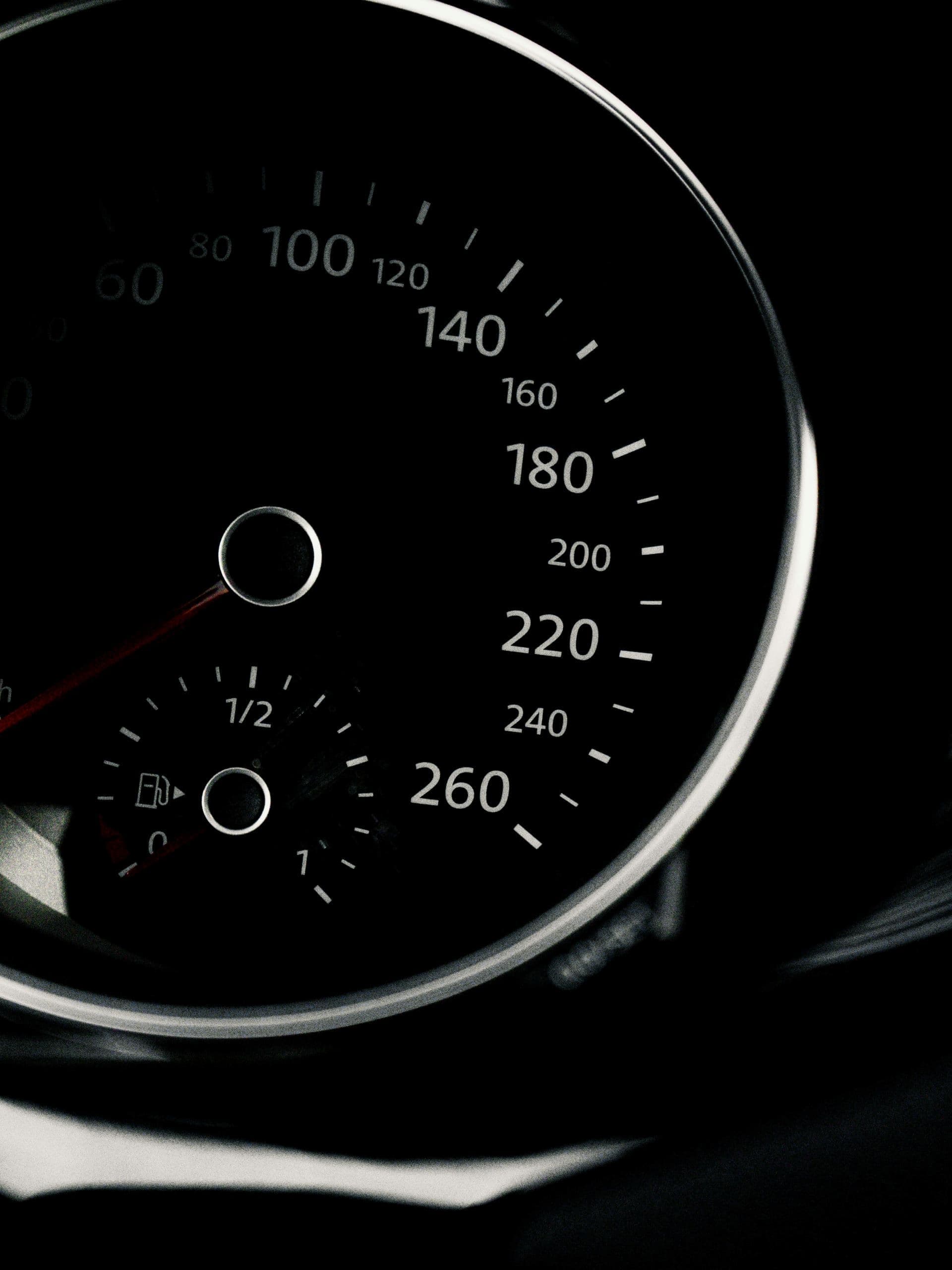
Since the earliest days of the automobile, it’s been understood that there’s a connection between speed and safety. Speedometers were one of the first standard features on cars. Speed limits were one of the first traffic laws.
Toyota’s Collaborative Safety Research Center (CSRC), as part of its mission to advance mobility safety for industry and society, has looked for opportunities to better understand the complicated reasons why drivers continue to exceed speed limits.
CSRC’s latest findings show that some previous assumptions about decisions to engage in risky driving don’t explain everything about speeding. Most prior research focused on individual risky driving events like crashes or near-misses to determine driver behaviors immediately surrounding the event – looking at how factors such as age, thrill-seeking, or attitudes about risk can contribute to unsafe driving. CSRC’s research showed how the broader context of an entire trip can be another important factor.
Additional external factors like idling, surrounding vehicle speed, and time of day play a substantial role in drivers’ choices to speed, according to CSRC’s research. CSRC and its research collaborators showed it could predict speeding by observing driving characteristics and what is happening outside the vehicle, such as traffic, to infer context for driver behavior. So, understanding these trip contexts along with the needs of the driver are important factors to consider when analyzing potential efforts to reduce these risky behaviors.
“This is some of the first research to show that the choice to speed depends a lot on the circumstances of the drive itself – not only the characteristics of the driver,” said Josh Domeyer, principal scientist at CSRC.
CSRC’s findings can help inform university researchers, groups like the Insurance Institute for Highway Safety and regulatory bodies like the National Highway Traffic Safety Administration – which are all actively looking for ways to make roadways safer.
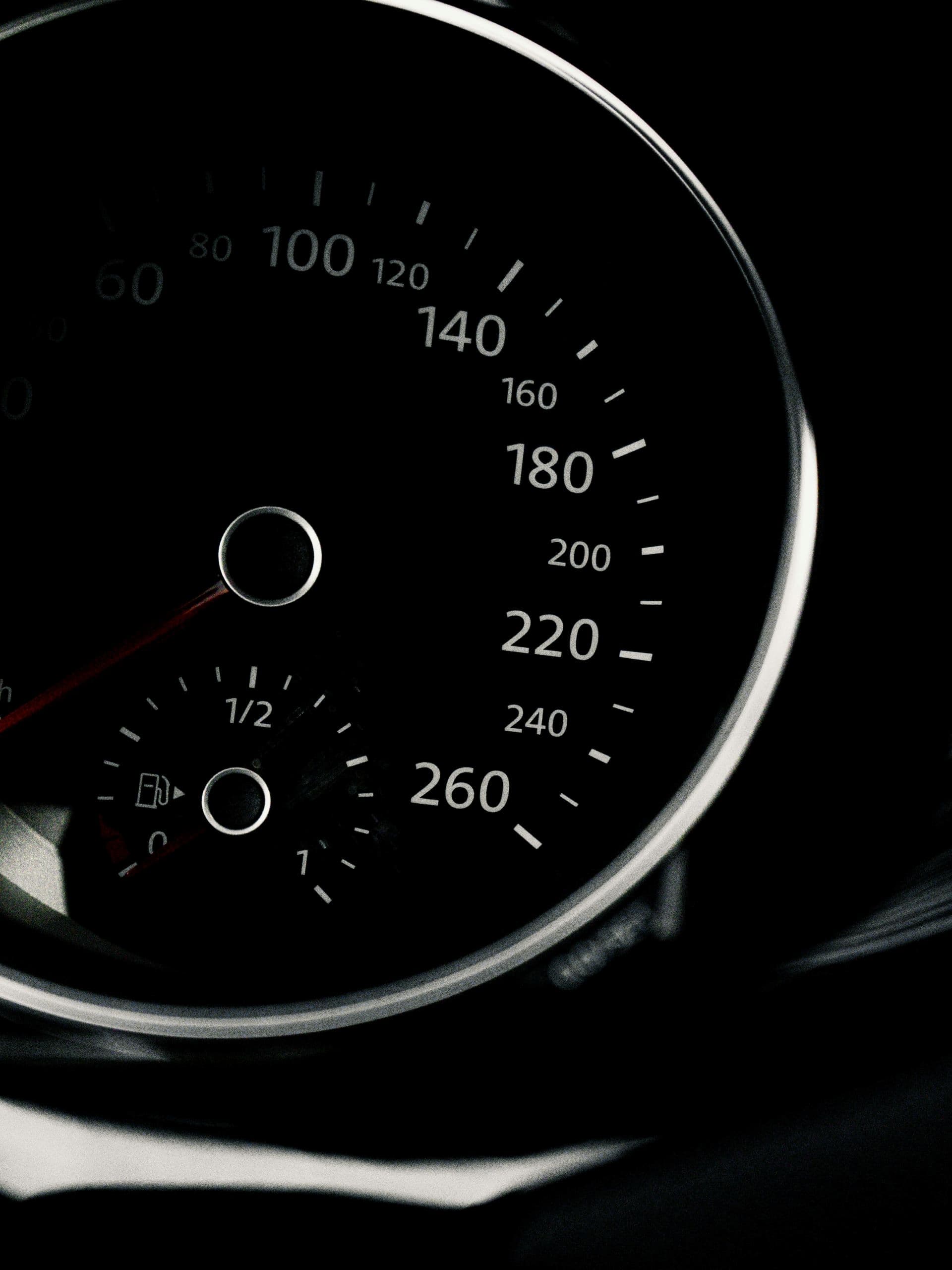
Another approach to improving safety is to give drivers the tools they need to make better decisions while they’re behind the wheel. That’s the philosophy behind Toyota Safety Sense (TSS), the suite of driver-assistance systems and alerts that is transforming modern driving by providing customers more information about their drive. And now Toyota is leveraging that technology to better inform drivers of their speed and when the local limit is being exceeded.
Toyota has been an industry leader in offering active safety and advanced driver assist technology, like TSS. In recent years it has been upgrading and fine-tuning TSS, which is now standard on nearly every new Toyota vehicle sold today.
Making these safety technologies standard equipment is an outward manifestation of Toyota’s aim of a future “society with zero traffic accidents” and its desire to provide customers the tools they need to be more aware of and make more informed decisions based on what’s happening on the road around them.
One TSS feature, Road Sign Assist (RSA), helps drivers to remain aware of certain road signs such as posted speed limits and when they’re exceeding them.
“We want to help our customers make more informed decisions about their driving while being respectful of their autonomy. We hope that RSA identifying and displaying the posted speed limit helps our customers do just that.” said Derek Caveney, senior executive engineer at Toyota Motor North America, Research and Development in Saline, Michigan.
TSS cameras and algorithms are what enable the RSA feature. First introduced to the U.S. market in 2018, RSA displays an icon on the vehicle multi-information display when a driver passes specific road signs. RSA’s intelligent camera can detect stop signs, Do Not Enter signs, yield signs and speed limit signs.
With RSA, drivers can remain more aware of posted speed limit signs even after they have passed them. If the vehicle is exceeding the posted speed limit, the system can emphasize the sign display with a red icon. RSA can be customized by drivers for what kinds of warnings they prefer and at what speeds.
Ultimately, the driver is responsible for safe and proper use of the vehicle, including selection of a speed that is appropriate for the circumstances.
Toyota’s approach to active safety technology comes down to helping customers make better, more informed choices when operating their vehicles, Caveney said.
With RSA, Toyota is providing helpful information to drivers about the identified speed limit sign and comparing it to the current vehicle speed, including about whether they’re over that posted speed limit.