South Africa ranks as the fourth riskiest country to drive in, according to the World's Best Drivers Index 2025, a study by Compare the Market that tracked 56 countries, according to a report on GadgetWheels.
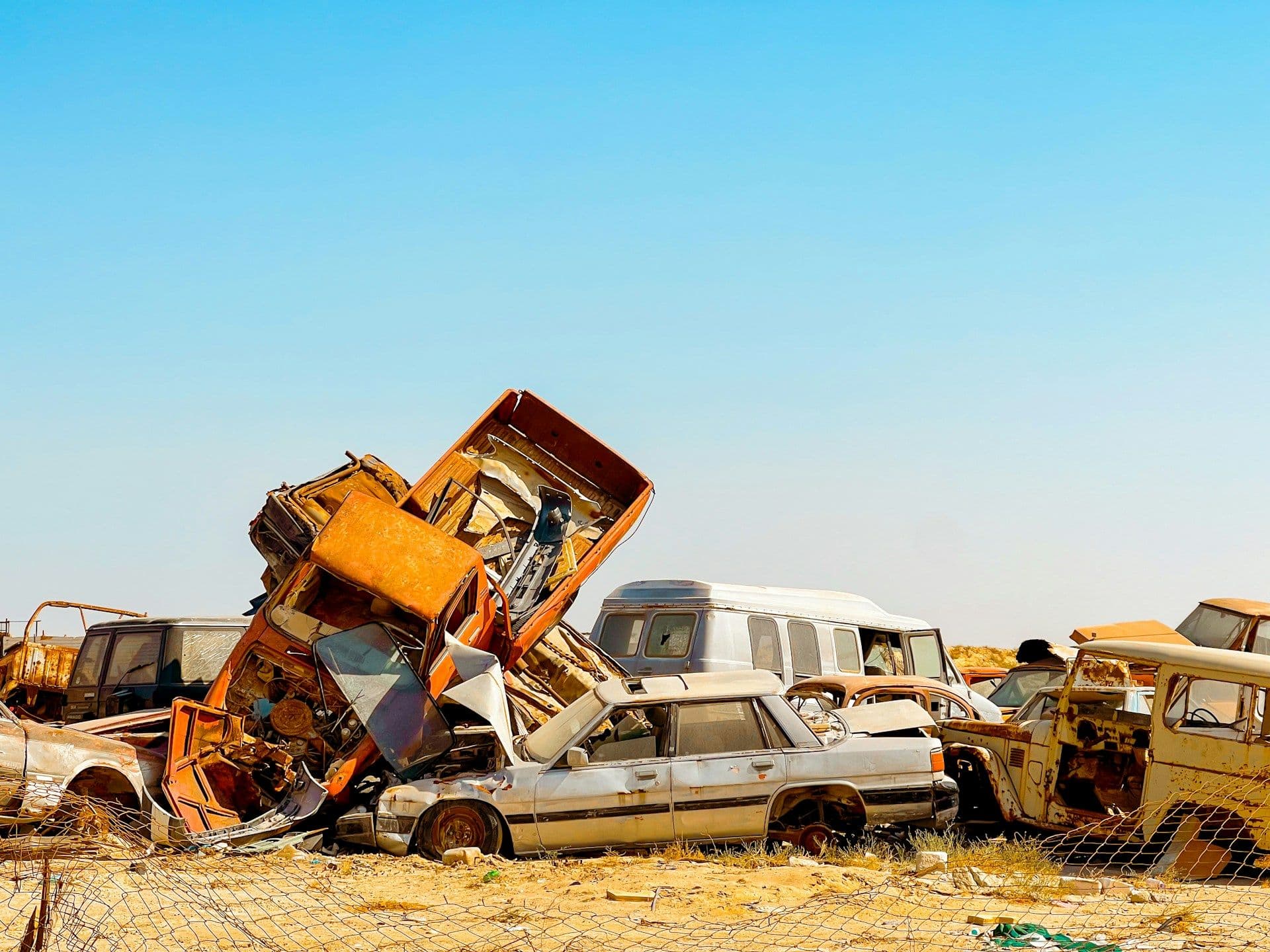
This unwelcome distinction has significant implications for the country's auto repair sector, which continues to see sustained demand driven by accident damage, poor road conditions and vehicle neglect.
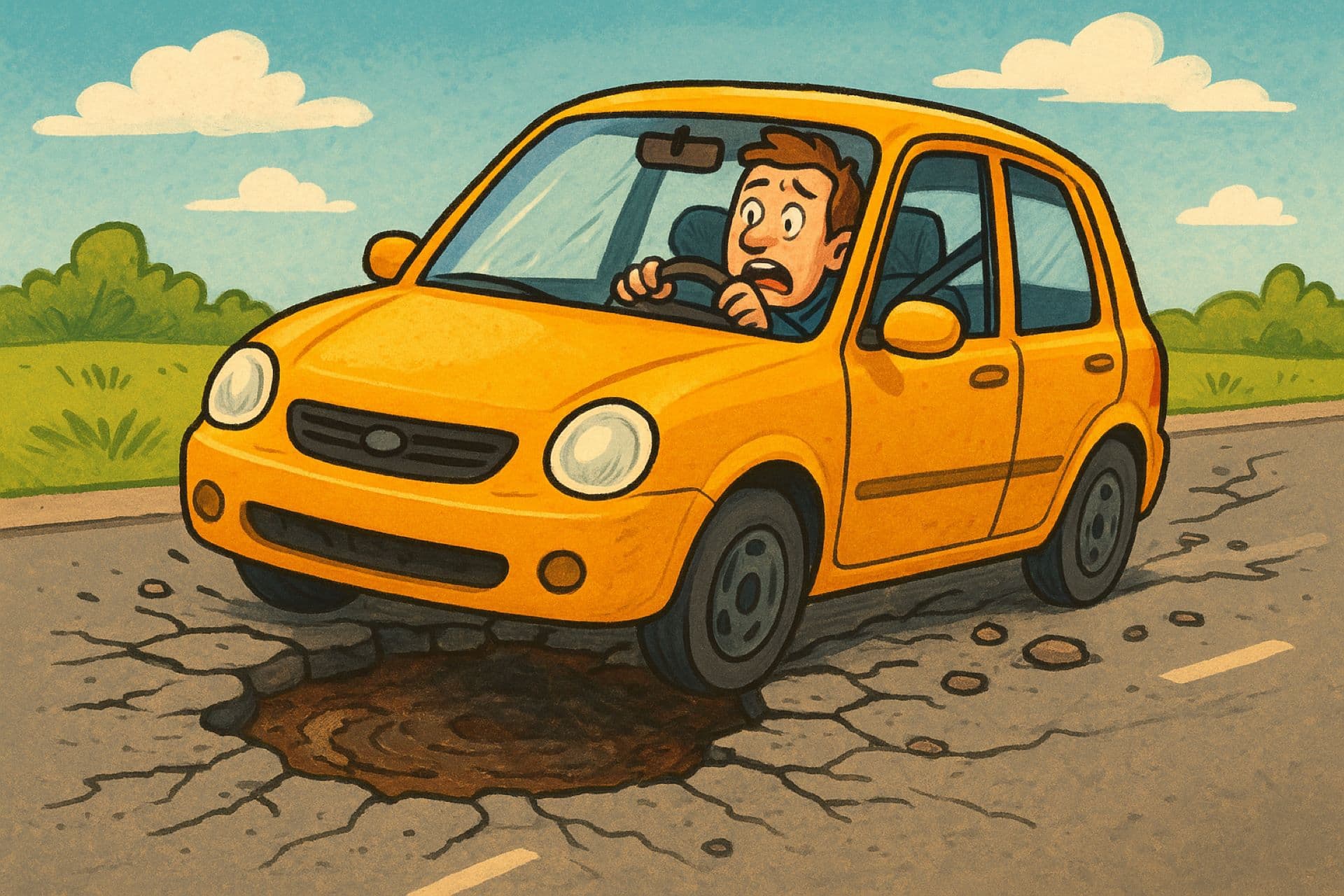
Contributing factors include a high road death rate of 17.9 per 100 000 people, below average road infrastructure, and severe traffic congestion. These conditions translate directly into workshop visits, with collision repairs, pothole damage and wear and tear keeping repair businesses consistently busy.
"The study from Compare the Market underlines that drivers should be ready for the unexpected on our roads," says Ernest North, co-founder of Naked, a car and home insurance platform. "Unpredictable drivers, potholed roads and thundershowers are just a few of the factors that make driving in South Africa so interesting."
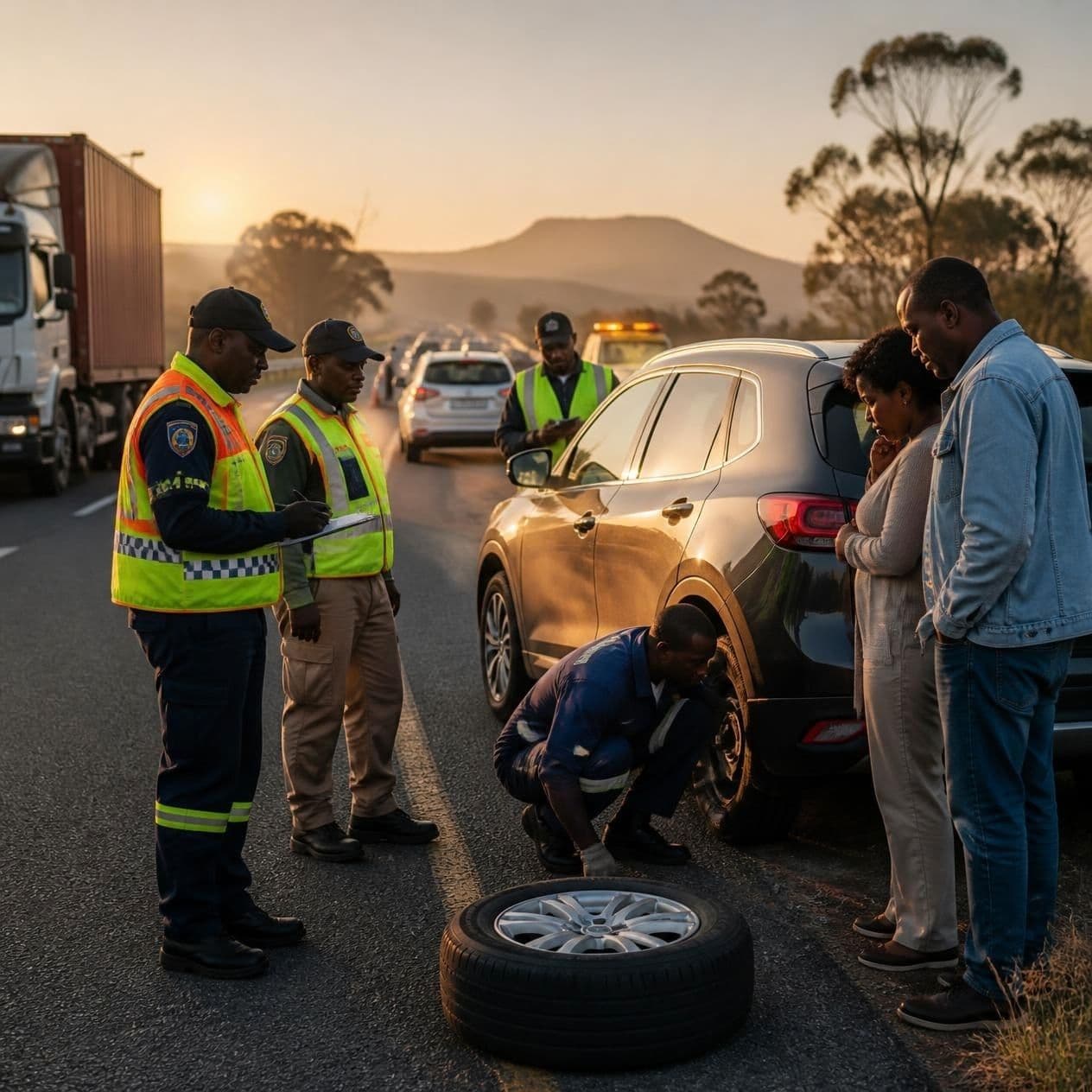
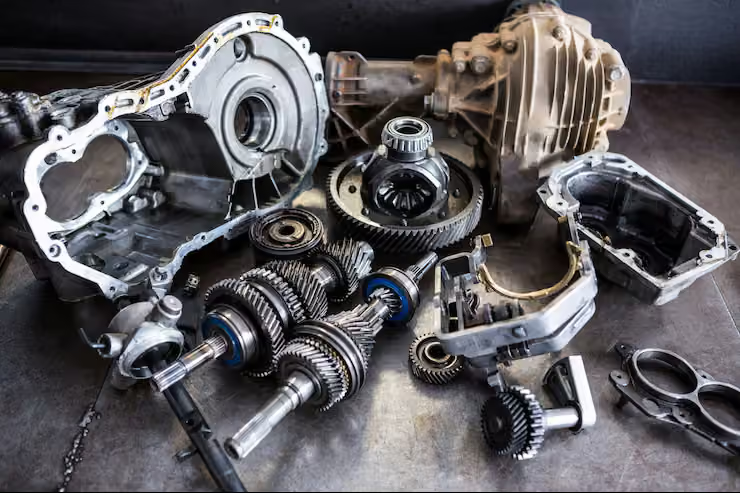
For panel beaters and mechanical workshops, these hazardous conditions represent a steady stream of work. Accident repairs remain the bread and butter of many operations, whilst suspension and tyre specialists benefit particularly from the country's deteriorating road surfaces. Pothole damage alone generates substantial business, with wheels, tyres and suspension components frequently requiring replacement.
North provides several recommendations that, if followed, could actually reduce demand for repair services. These include driving with awareness, maintaining safe following distances, and avoiding drink driving, which currently has a legal blood alcohol limit of 0.05%.
However, the reality is that many motorists fail to heed such advice. Speed related incidents continue to flood workshops with damaged vehicles, whilst poor vehicle maintenance creates additional work. North advises that tyres should have sufficient tread depth and correct pressure, and that brake pads, windscreen wipers and indicators should be regularly checked. Many drivers neglect these basics until failure occurs, creating emergency repair situations.
"You might be a safe and careful driver, but dangerous road conditions and careless road users mean that you can't always avoid accidents," says North. This reality ensures the repair industry remains robust despite economic pressures.
The insurance dimension further supports the sector. "Insurance is there to protect you when things go wrong. Most claims are linked to accidents, which account for the bulk of repair and replacement costs. The right cover also protects you against theft, hijacking, pothole damage and third party liability," North explains.
Insured repairs typically result in higher quality work and better profit margins for repairers, as insurance assessors authorise necessary repairs rather than cut price alternatives. The prevalence of accidents means approved repair centres maintain strong relationships with insurers, generating consistent workflow.
Additional factors compound repair demand. Night time driving increases accident risk through lower visibility and higher numbers of drunk or tired drivers. Crime related damage, including hijacking attempts and smash and grabs, creates further work for security fitment specialists and body shops.
"Many households are under financial pressure, but appropriate car insurance is well worth the money. It is a safety net that cushions you against unexpected costs and losses that could otherwise derail your finances," says North. For the repair industry, these insurance policies ensure that damaged vehicles get properly fixed rather than abandoned or poorly patched, maintaining professional standards and business sustainability in challenging times.