Recent crash test results have highlighted structural and safety equipment concerns in the Toyota Corolla Cross, with the Automobile Association flagging issues that may have implications for repairability and accident outcomes.
Following its assessment of the Hyundai Grand i10, the AA has now turned its attention to the Toyota Corolla Cross after Global NCAP's #SaferCarsForAfrica campaign testing revealed a two-star adult safety rating. The locally manufactured vehicle achieved three stars for child occupant protection, yet the results point to significant concerns regarding the structural integrity and safety equipment fitted to models destined for African markets, including South Africa.
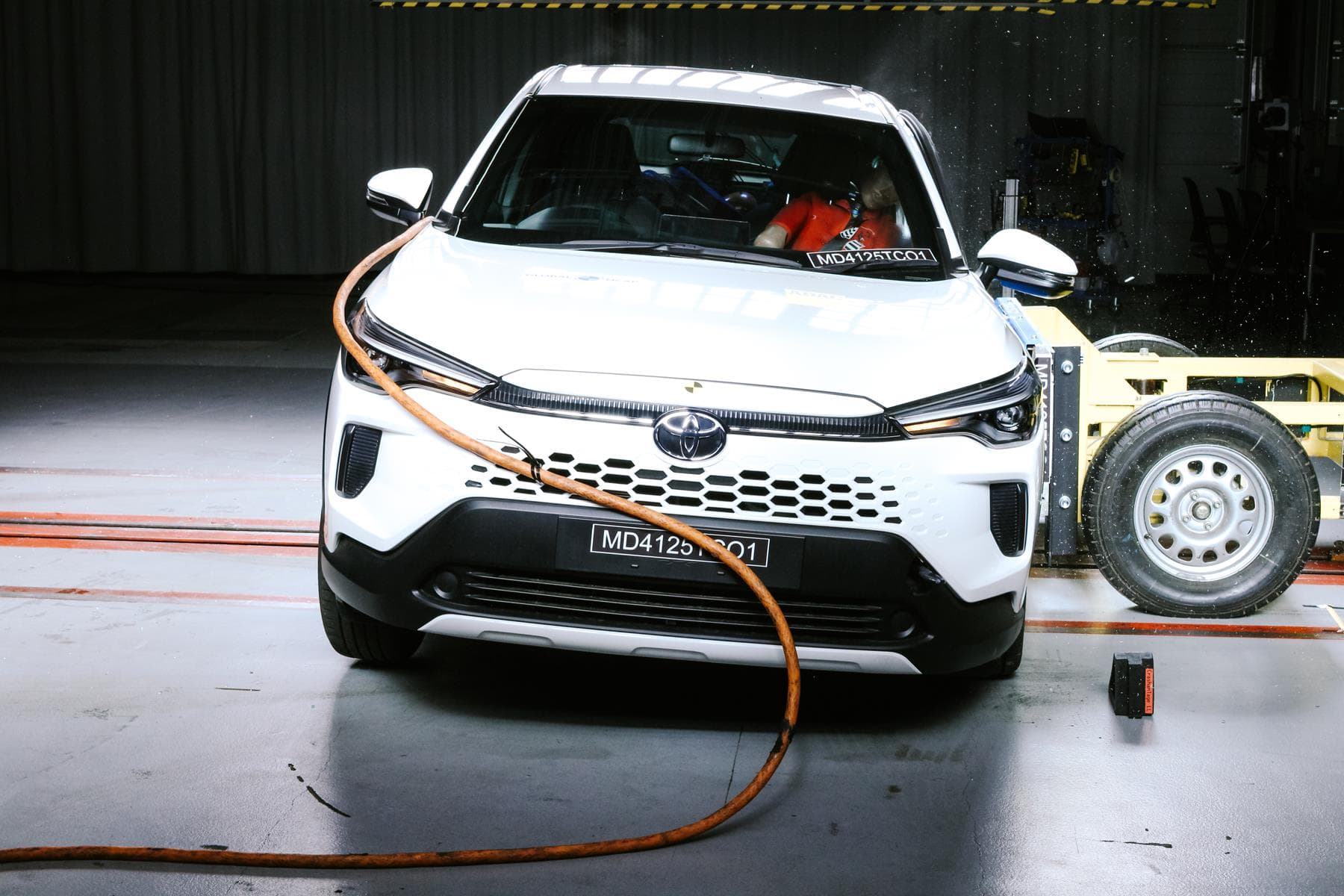
The Corolla Cross, assembled at Toyota's Prospecton facility in KwaZulu-Natal, features driver and passenger frontal airbags, side body airbags, a driver knee airbag, and Electronic Stability Control. However, the absence of side head protection airbags represents a notable difference in the safety specification compared to versions sold in other markets.
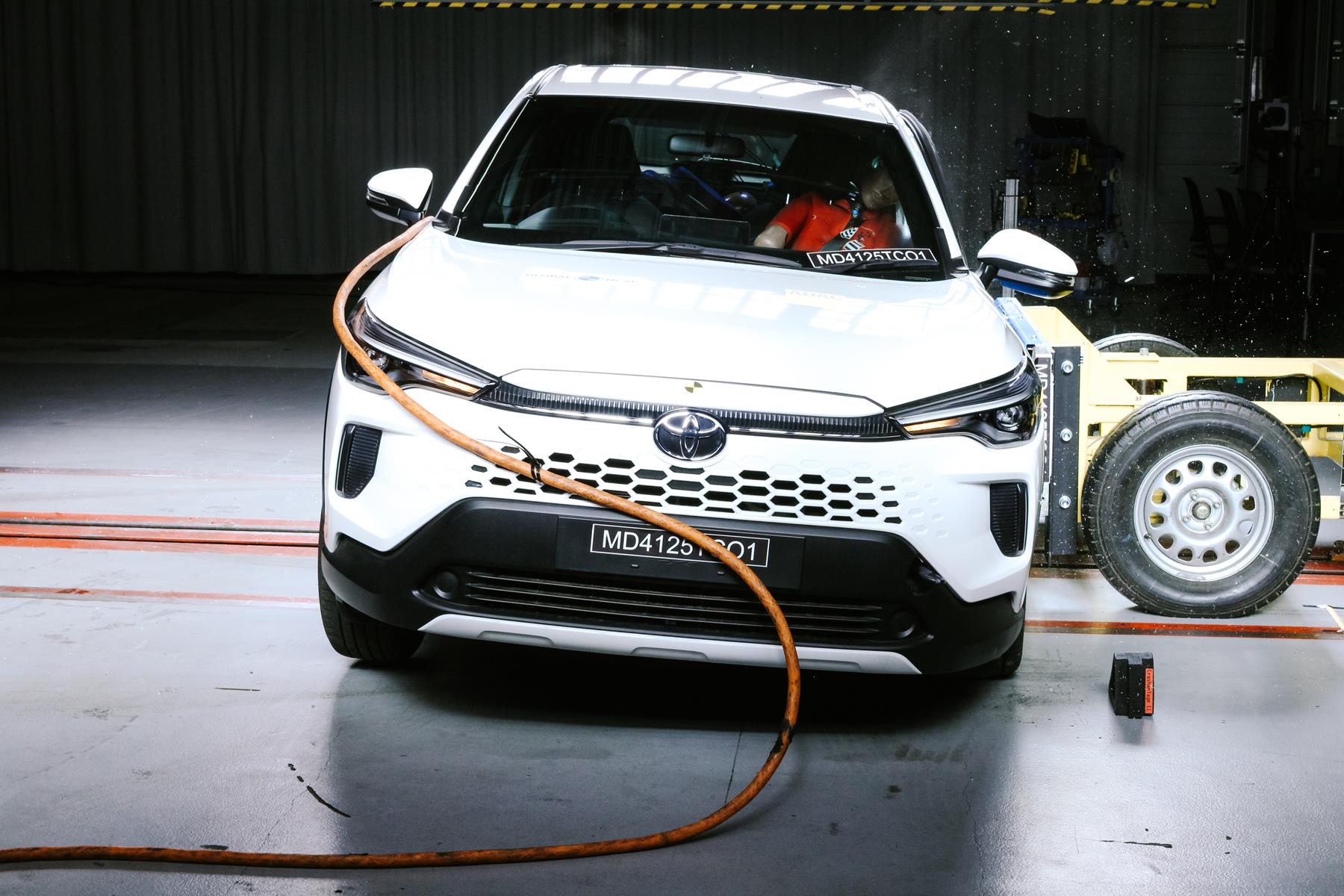
Global NCAP's testing revealed specific structural findings that warrant attention. The footwell area was assessed as unstable and incapable of withstanding further loading, although the bodyshell itself received a stable rating. The side pole impact test could not be conducted due to the absence of standard side head protection for front and rear occupants. Without this protection, the assessment noted potential exposure to head injury risk in side impacts involving poles or trees.
The side impact testing showed good protection to the abdomen and pelvis, with adequate chest protection. However, the child protection evaluation, despite its three-star rating, identified areas including the lack of passenger airbag disconnection and head exposure of the three-year-old test dummy in both side and frontal impacts.
These findings have prompted discussion about vehicle specification differences between markets. Richard Woods, Global NCAP's Chief Executive Officer, noted that manufacturers like Toyota have the technical capability to build vehicles with enhanced safety features, and that consumers in Africa should have access to safety performance levels fitted as standard elsewhere. The organisation continues to focus on addressing these disparities in vehicle safety across different regions.
AA Chief Executive Officer Bobby Ramagwede characterised the results as concerning. "The lack of side head protection in the popular Toyota Corolla Cross highlights patterns where vehicles sold in Africa differ from safety standards in other regions," he observed. "South African motorists should expect consistent standards, particularly for a vehicle manufactured locally at Toyota's Prospecton plant."
The two-star assessment has renewed calls for manufacturers to provide equivalent safety specifications across all markets. The AA maintains that side head protection for front and rear rows should be standard fitment rather than market-dependent equipment. The organisation continues to advocate for enhanced safety regulations and encourages manufacturers to address the NCAP findings, whether through production line modifications or other corrective measures. The focus remains on ensuring vehicle safety standards meet consumer expectations across all markets.