Plastic and plastic blends are used by automotive manufacturers (OEMs) for both functional and aesthetic reasons. Not only do they play a major part when it comes to vehicle shape and design aspects, but also their use delivers functional benefits by reducing vehicle weight and therefore emissions and fuel consumption. As the range and quality of plastics used by OEMs increase, it becomes more important for refinishers to understand the process and the dedicated products required to carry out right-first-time repairs on plastic parts.Standox, one of the premium refinish paint brands of Axalta, has developed a straightforward process for the minor repair of plastic parts, to support its refinishers with everything they need to do their jobs successfully.Paul Retief, Axalta’s Refinish Academy Manager in Midrand, South Africa, says: “When it comes to repairing plastic parts, preparation is key. It is important refinishers carefully follow the process we have devised, otherwise when it comes to applying the topcoat, or clear-over-base system, paint defects are likely to occur and no bodyshop can afford to re-do repairs in this economic climate.”
Step oneUse Standoflex Plastic Cleaner Antistatic 6500 and a degreasing cloth to clean the plastic part that needs to be repaired properly. Follow this by carefully inspecting the damage.Step twoSand over the damaged area with an orbital sander using a premium sanding disc P320 or P400.
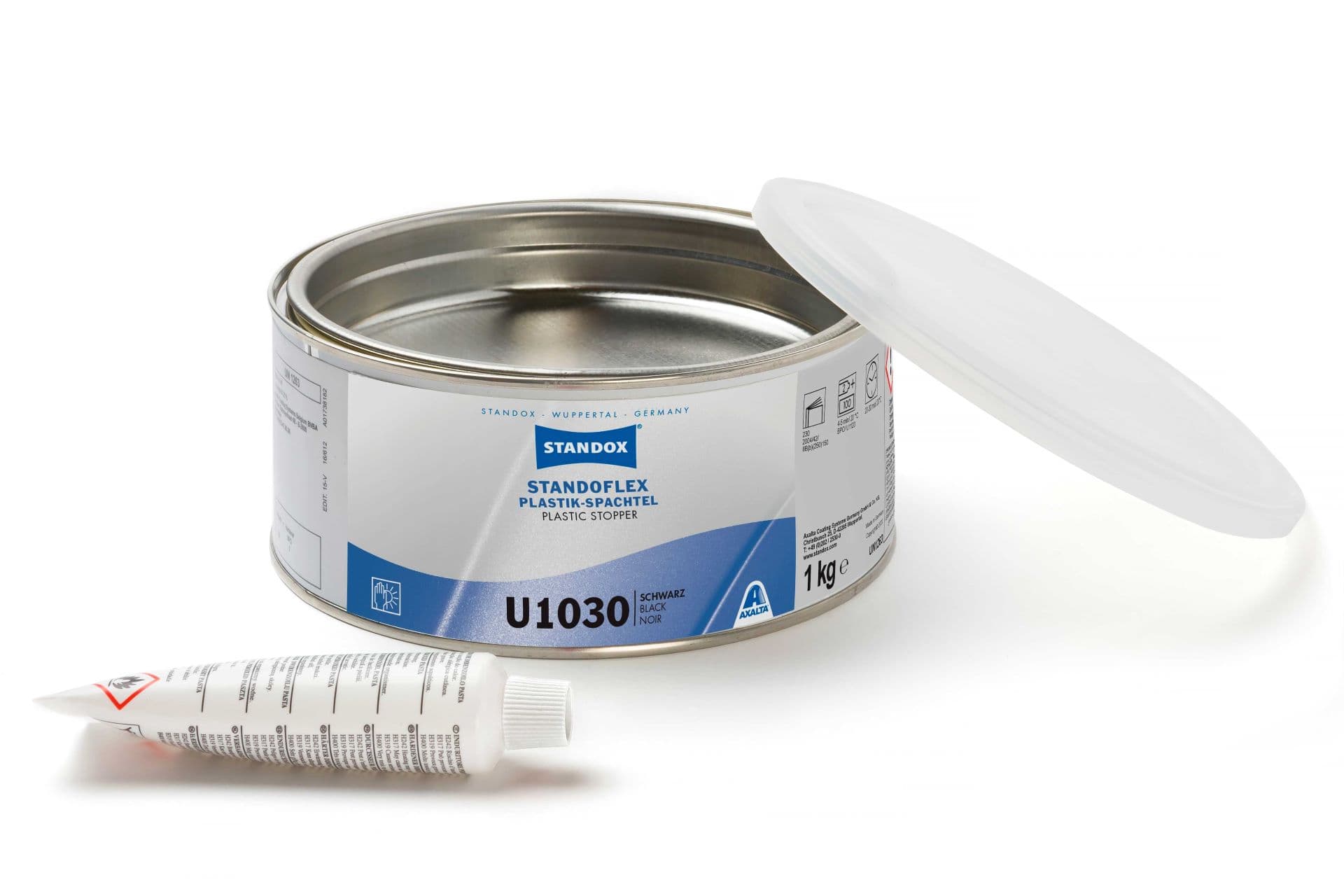
Step threeIf the damage, such as scratches, runs deep into the plastic part, apply the chosen Standox stopper, such as Standoflex Plastic Stopper U1030, which produces a pore-free, smooth surface and offers high flexibility after drying.
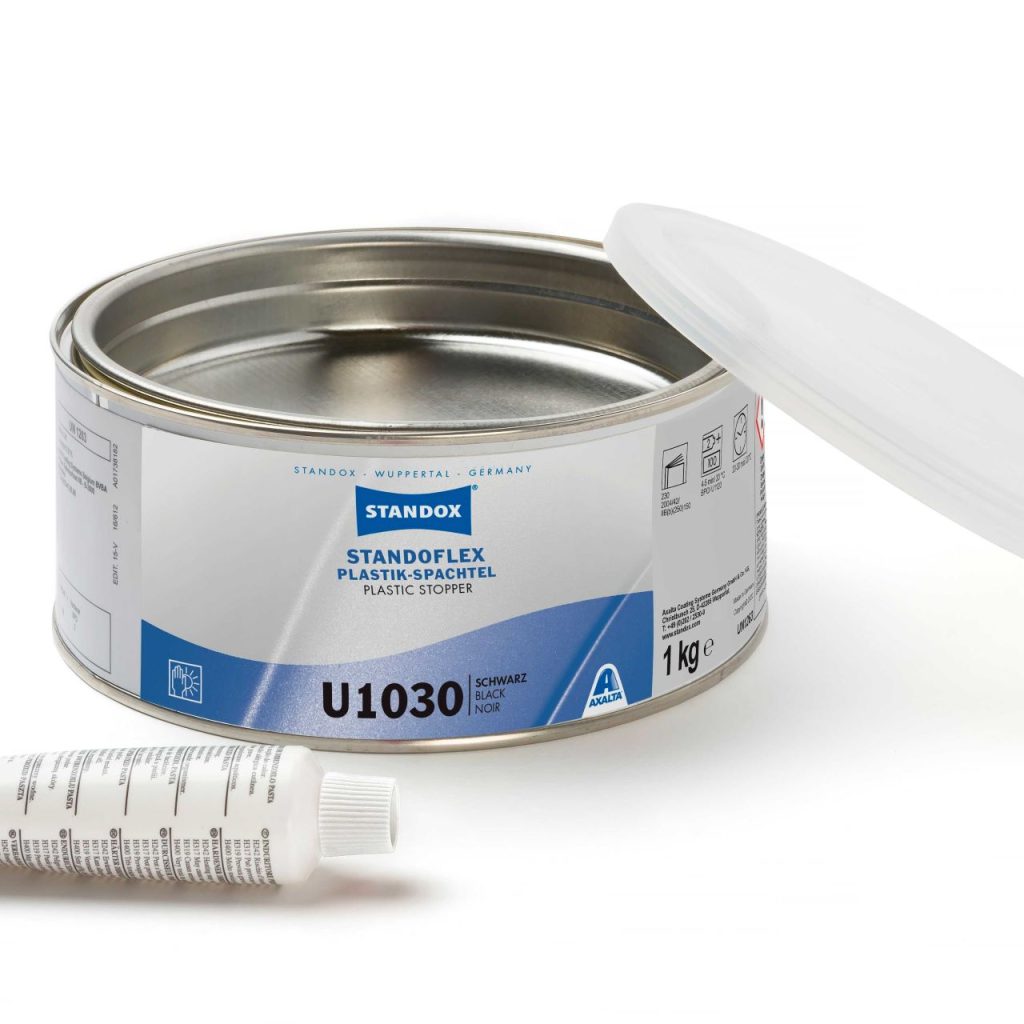
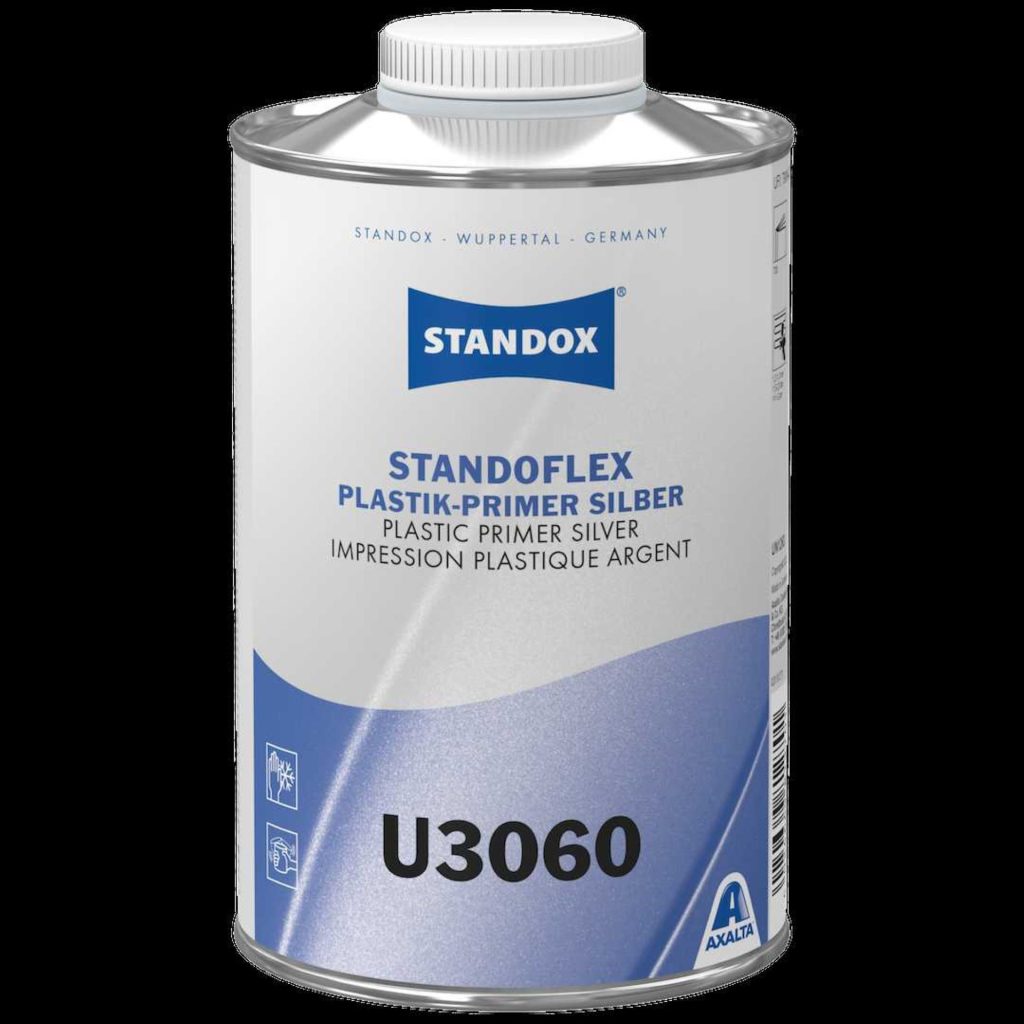
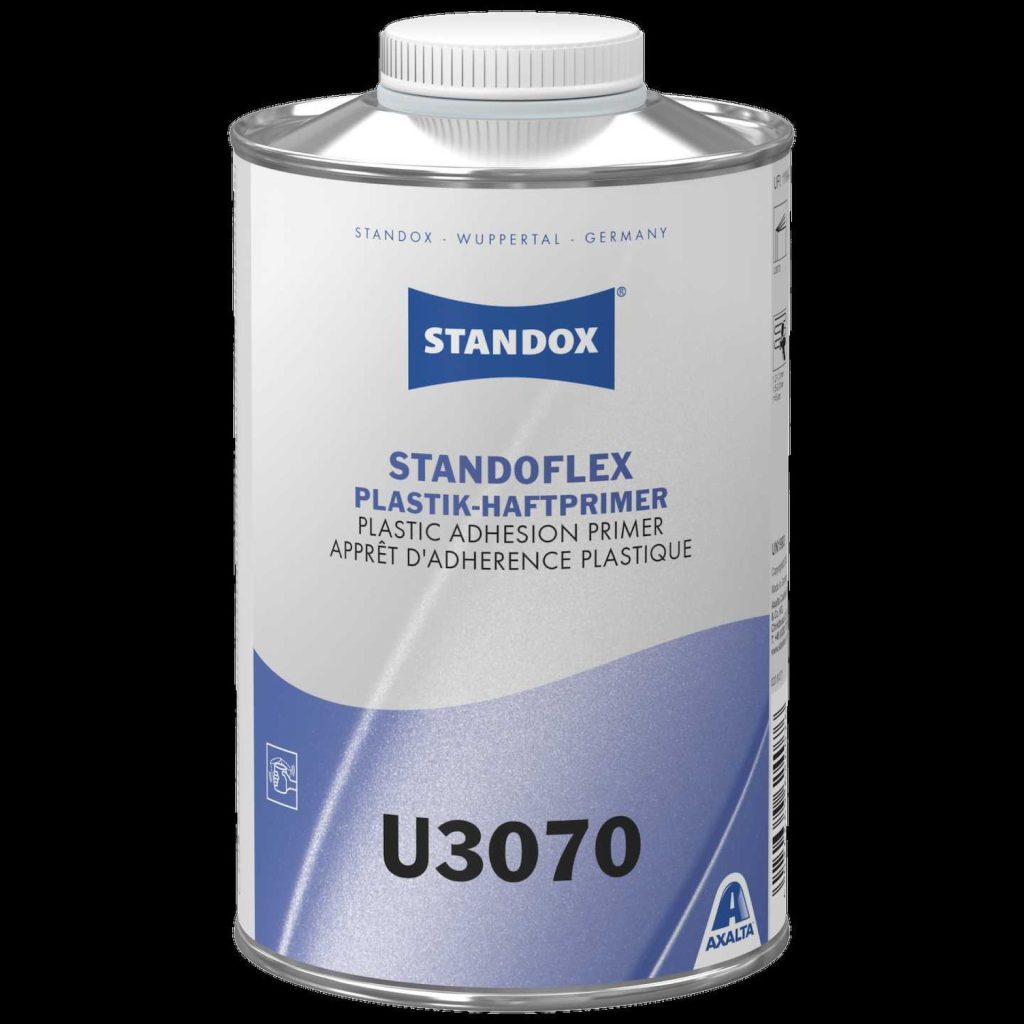
“Standoflex Plastic Stopper U1030 is suitable for nearly all exterior plastic vehicle parts. We supply it as part of a kit with a dedicated hardener,” says Retief.Before the stopper application, refinishers have the option of applying Standoflex Plastic Primer U3060, a 1K primer for three-stage plastic refinishing, which adheres to all exterior plastic car parts. Alternatively, refinishers can use the newest addition to the Standox plastic product portfolio, Standoflex Plastic Adhesion Primer U3070, a transparent adhesion primer for use on degreased or uncoated plastic parts.
Step fourHand sand the stopper to shape with a premium sanding strip P150. Once completed, refine the repair surface with a premium sanding strip P320.
Step fiveFeather the repair areas with a premium sanding disc P320 or P400. Ensure any corners and edges are hand sanded with a super fine sanding sponge or soft-roll.
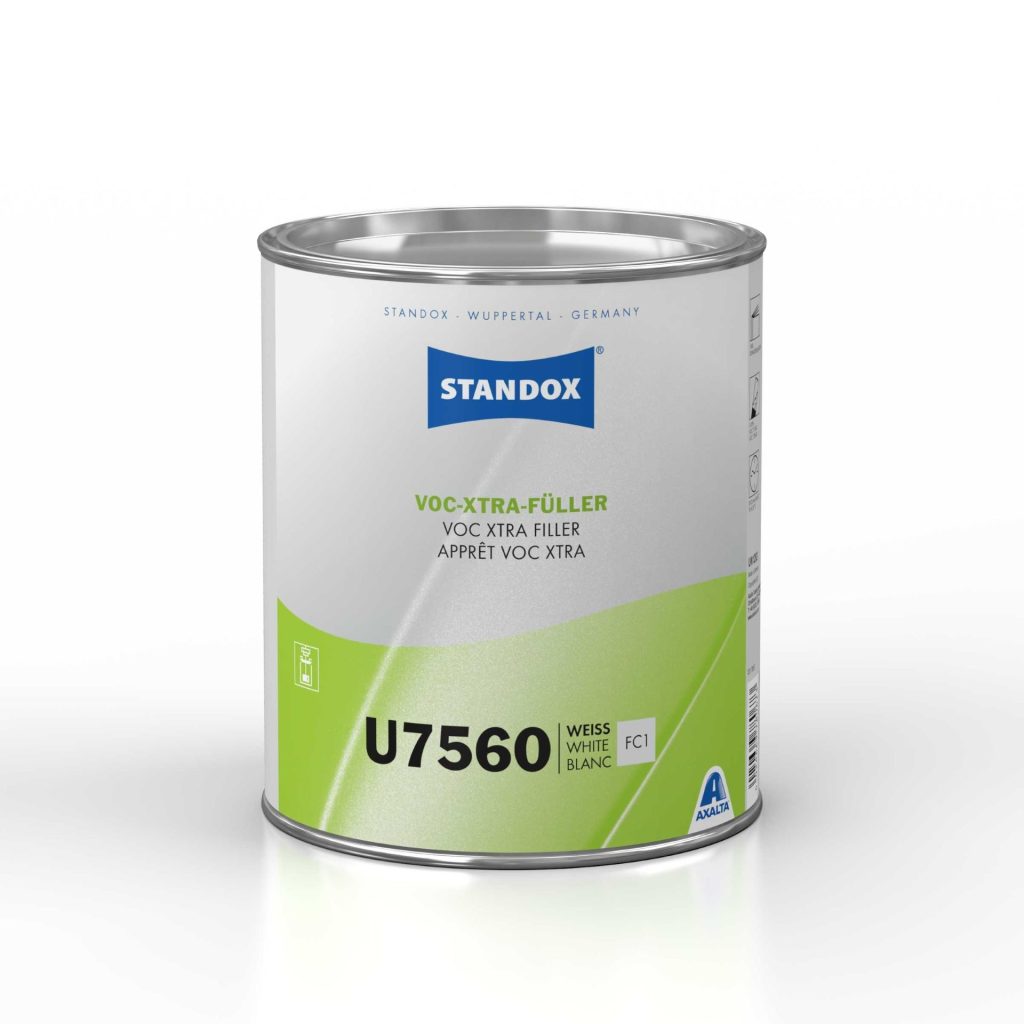
Step sixRefinishers next apply Standoflex Plastic Primer U3060 or Standoflex Plastic Adhesion Primer U3070 and allow to flash off. They can follow this with a suitable Standox VOC Filler, such as Standox VOC Xtra Filler U7560, which is flexibilised with additive Standox Plasticiser 5660 to aid with long-term elasticity.
Step sevenHand sand corners and edges with an ultra-fine sanding sponge. Then machine sand with a premium disc P600 and suitable soft backing pad. Finally, refinishers should remove sanding dust and clean the plastic part thoroughly.
Retief concludes: “Only once those seven preparation steps have been completed on plastic parts with minor damage should a refinisher even think about applying the chosen Standox topcoat or clear-over-base system. And when topcoating, refinishers need to remember to add Standox Plasticiser 5660 to the topcoat or the clearcoat. They must also ensure they follow specific OEM bumper repair processes and pay close attention to the film build limitations as well as any sensor requirements.”