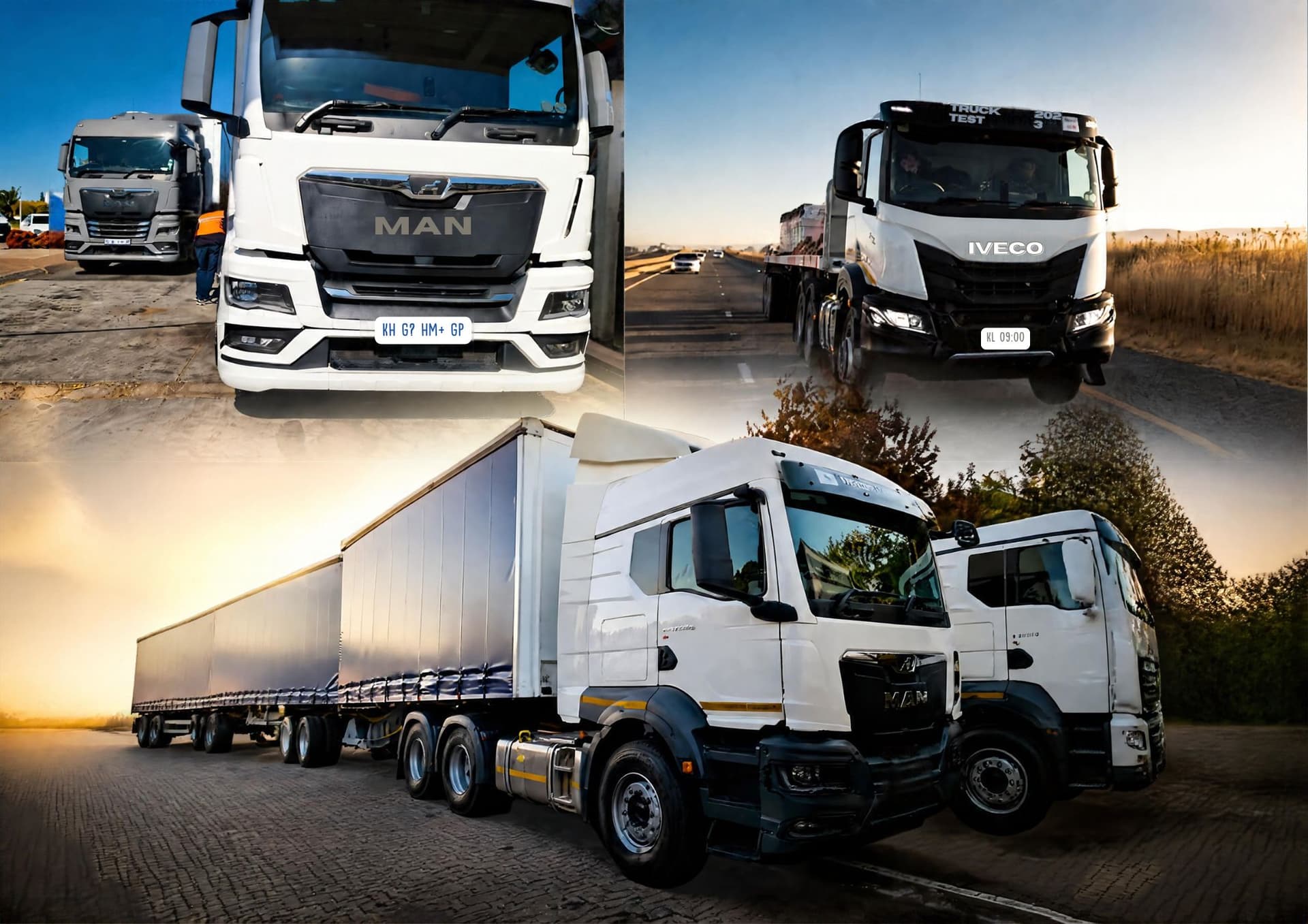
The South African automotive industry is under pressure from multiple fronts, with recent tariffs imposed by the United States on vehicle and component exports adding to existing challenges. While this primarily impacts manufacturers, the knock-on effect on the repair and maintenance sector cannot be overlooked.
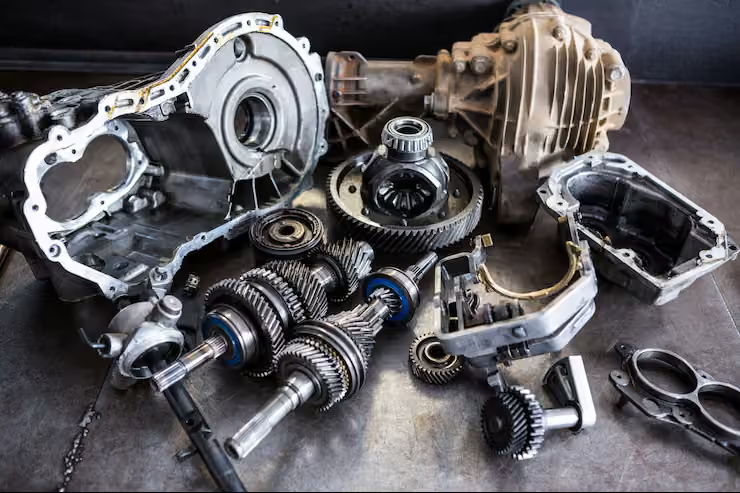
The Automotive Business Council (naamsa) presented its second-quarter 2025 review to the Department of Trade, Industry and Competition, outlining key industry developments. Local production decreased by 3.9% compared to the same quarter in 2024, while exports dropped by 3.6%. These trends signal a potential slowdown in new model rollouts, which could limit the supplyof parts, creating added strain for workshops and repair businesses that rely on consistent availability.
The US market, which accounted for R28.67 billion of exports in 2024, now faces tariffs of 25% under the revived Section 232 trade measures. This sudden change has severely impacted exports to North America, which plummeted by 82.7% in Q2 2025 compared to the previous year.
Despite these headwinds, domestic new vehicle sales grew by 17.4% compared to Q2 2024, although they were down 6.4% from Q1 2025. For repair professionals, this rise in local sales, combined with a vehicle parc of 13.36 million at the end of 2024, offers reassurance of ongoing service demand. However, the increasing complexity of modern vehicles, particularly the rise of New Energy Vehicles (NEVs), requires workshops to invest in advanced diagnostic and repair capabilities.
NEV sales fell by 10.8% year-on-year in Q2 2025, which may slow the immediate transition to electric mobility but does not remove the long-term need for upskilling. naamsa stresses the urgency of implementing NEV-friendly policies, including hybrids and plug-in hybrids, to future-proof the sector.
For workshops, the message is clear: adapt to new technologies, prepare for disruptions, and embrace training opportunities to maintain competitiveness in a changing industry.