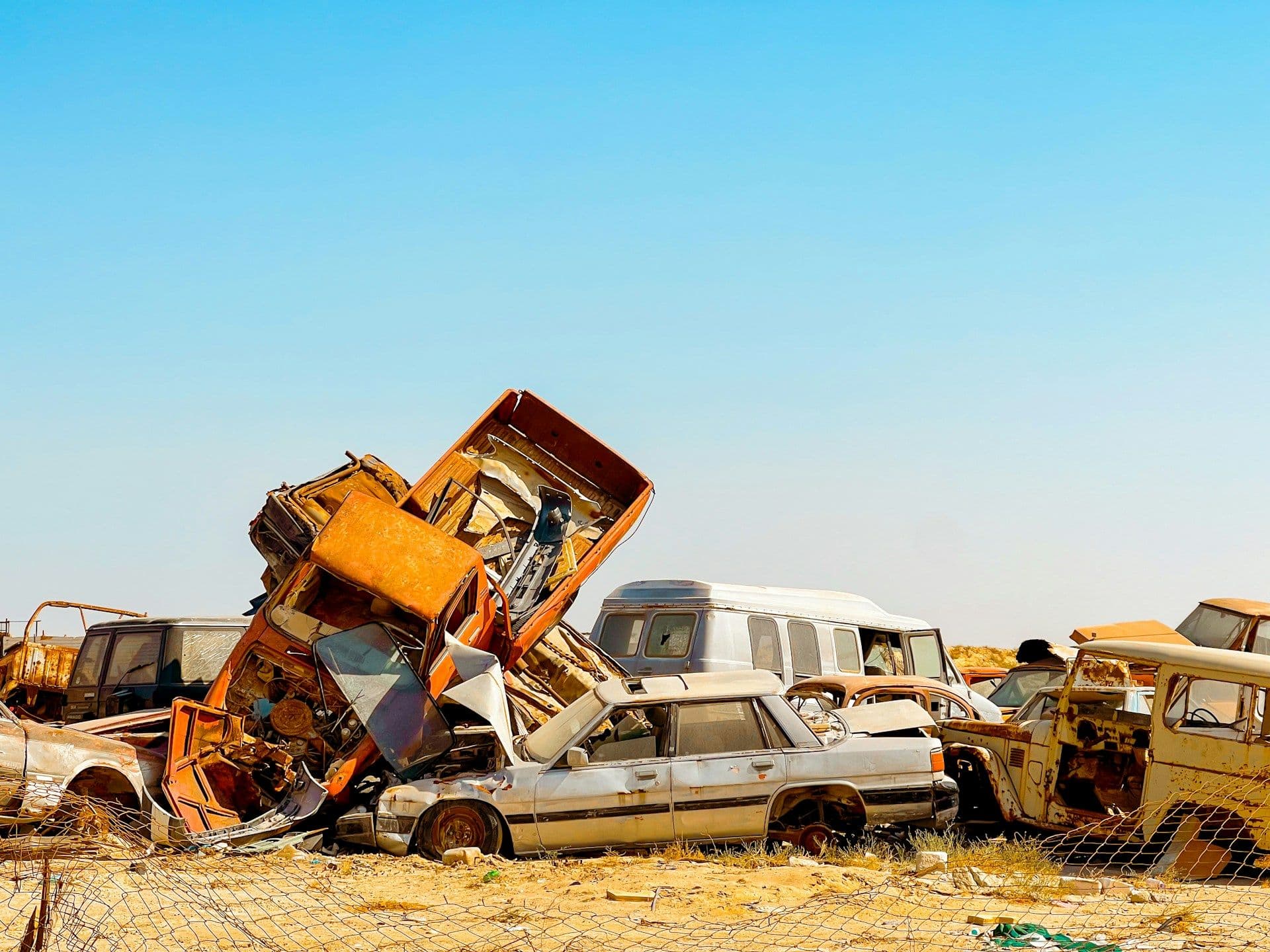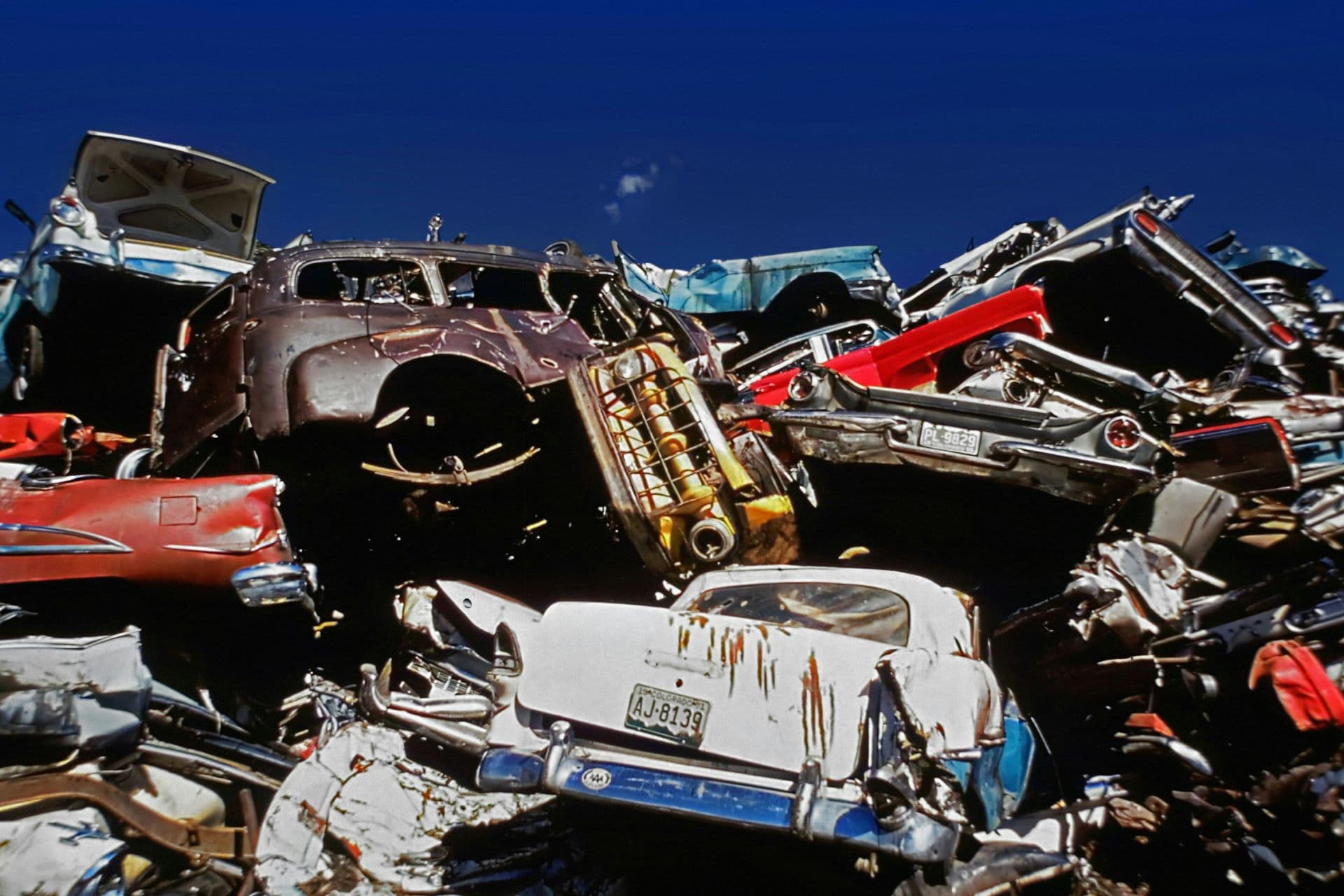
European and UK authorities have collectively fined several vehicle manufacturers and their industry associations after they admitted to forming end-of-life vehicle (ELV) recycling cartels.
The European Commission (EC) issued 15 manufacturers and the European Automobiles Manufacturers’ Association (ACEA) fines totaling €458 million for participating in a cartel, while a parallel probe by the British Competition and Markets Authority fined 10 manufacturers and two trade bodies more than £77 million for their involvement in the illegal behaviour.
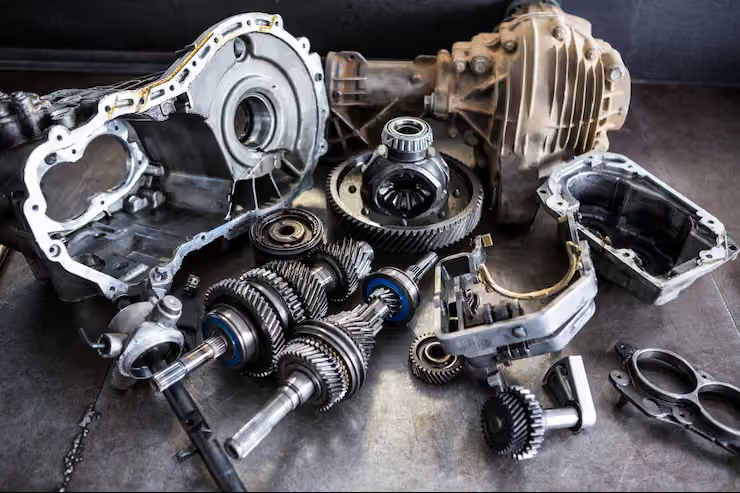
The investigations revealed that for more than 15 years, vehicle manufacturers entered into anti-competitive agreements to avoid paying car dismantlers for processing ELVs. They also agreed not to promote how much of an ELV can be recycled, recovered and reused, and how much recycled material is used in new cars.
According to the EC, the manufacturers’ goal was to prevent consumers from considering recycling information when choosing a car. The manufacturers it named as involved are:
However, Mercedes-Benz escaped penalty as the company self-reported its participation in the cartel, blowing the whistle on the practice.
The investigation also found that the ACEA facilitated the cartel, having organised numerous meetings and contacts between the car manufacturers.
The British case involved 11 manufacturers, which were fined for similar transgressions:
As in the EC matter, Mercedes-Benz self-reported and avoided penalty for blowing the whistle. The ACEA and SMMT (Society of Motor Manufacturers & Traders) were also involved in the illegal agreements in the UK.
“We will not tolerate cartels of any kind, and that includes those that suppress customer awareness and demand for more environmental-friendly products,” said Teresa Ribera, Executive Vice-President for Clean, Just and Competitive Transition at the EC.
“High quality recycling in key sectors such as automotive will be central to meeting our circular economy objectives – not only to cut waste and emissions but also to reduce dependencies, lower production costs and create a more sustainable and competitive industrial model in Europe.”