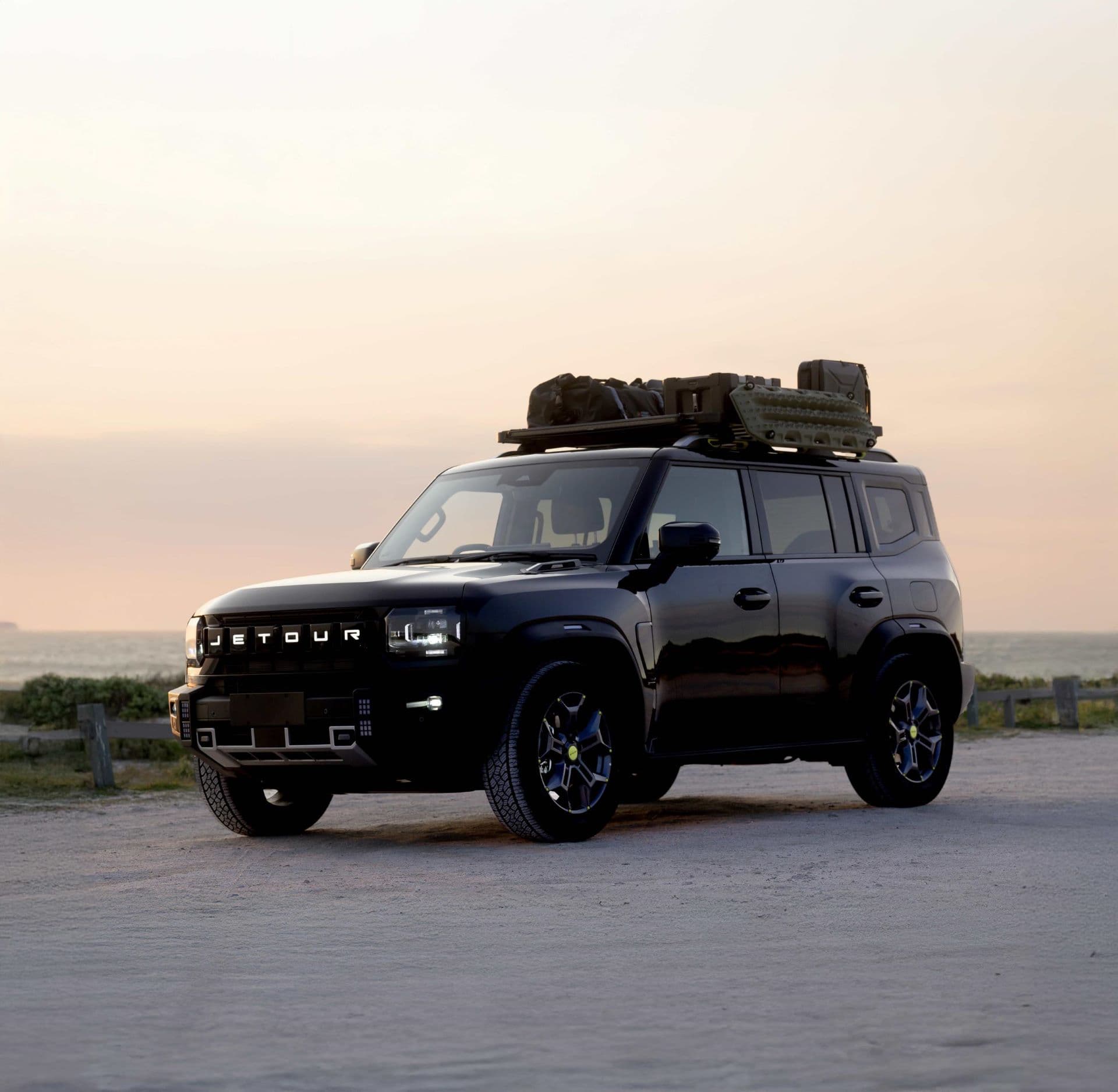
South Africa’s automotive industry is set for another boost as Jetour confirmed that its T-Series models will be built locally from 2027.
The announcement was made at Auto China 2026 by Ke Chuandeng, President of Jetour International, and follows Chery’s acquisition of the Rosslyn plant from Nissan.
The move positions Chery South Africa as a local manufacturer, with plans to produce 50 000 vehicles annually and generate over 3 000 jobs by mid-2027. Jetour, part of the Chery Group, will benefit directly, with its T-Series models joining the production line at Rosslyn.
Since their launch in October last year, the Jetour T1 and T2 have achieved strong sales, with more than 4 500 units sold. The decision to manufacture locally reflects both the popularity of the series and Jetour’s confidence in the South African market.
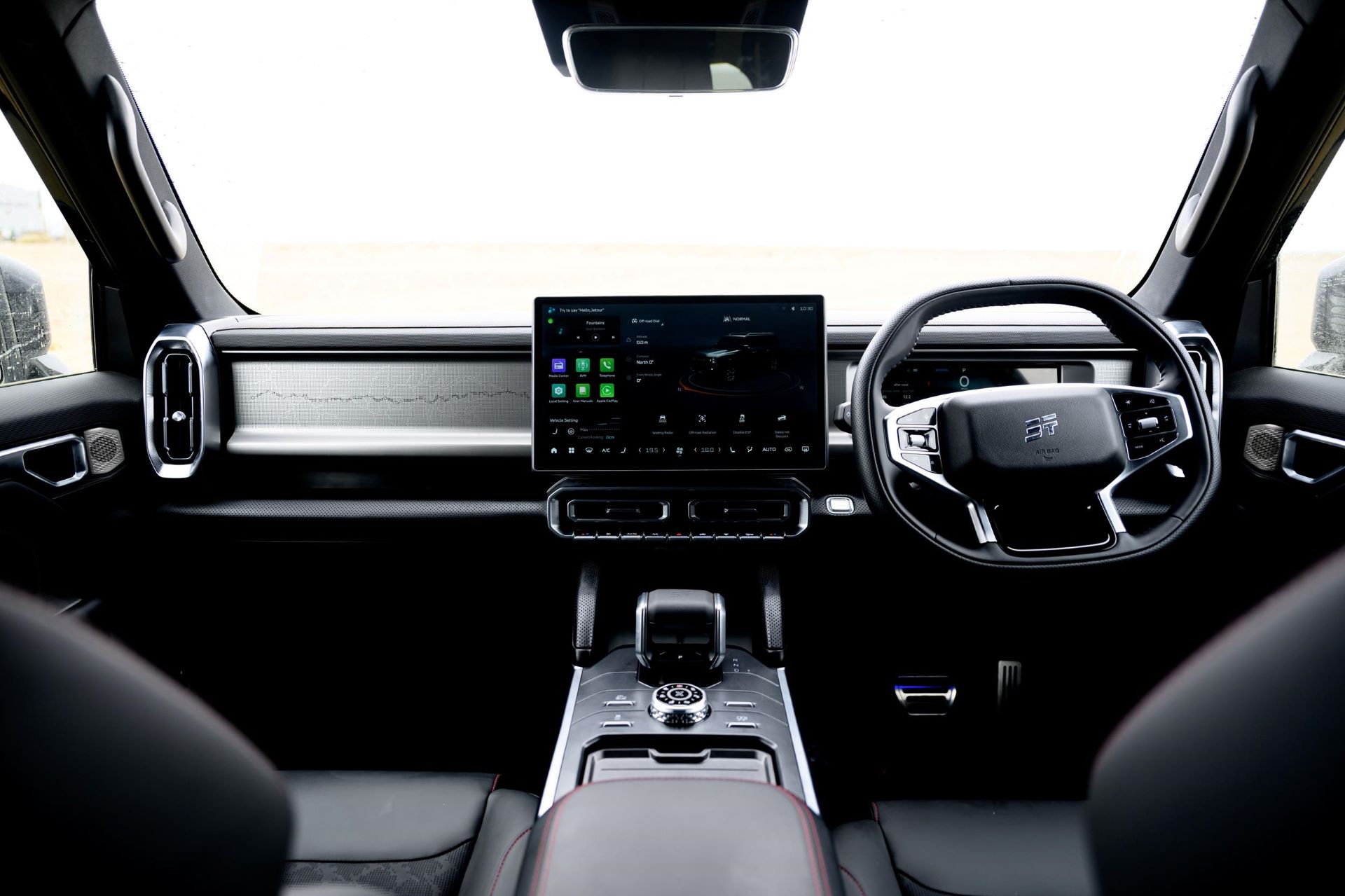
The announcement comes as electrification and intelligent mobility dominate global automotive discussions. Jetour has already introduced plug-in hybrid versions of the T1 and T2, known as iDMs, which are available in South Africa. These additions highlight the brand’s alignment with industry shifts towards greener and smarter technologies.
Nic Campbell, Vice President of Jetour South Africa, emphasised the importance of the development: “This announcement to produce the Jetour T-Series locally positions South Africa as an integral part of Jetour’s global ambitions and underscores the growing influence of Chinese automakers in our market. This is undoubtedly a very exciting time for Jetour.”
He continued: “In just 18 months since launching independently in South Africa, we have introduced four internal combustion models and two PHEV models, with further upgrades and new models planned for this year and next. This latest step into local production really marks a significant next phase in our journey.”