South Africa’s gradual shift towards electric mobility is not only changing how motorists power their vehicles but also how the wider automotive industry prepares for a different kind of maintenance.
While traditional fuelling remains the norm, the rise of public charging stations and home installations signals a fundamental transformation that could reshape the repair and service landscape.
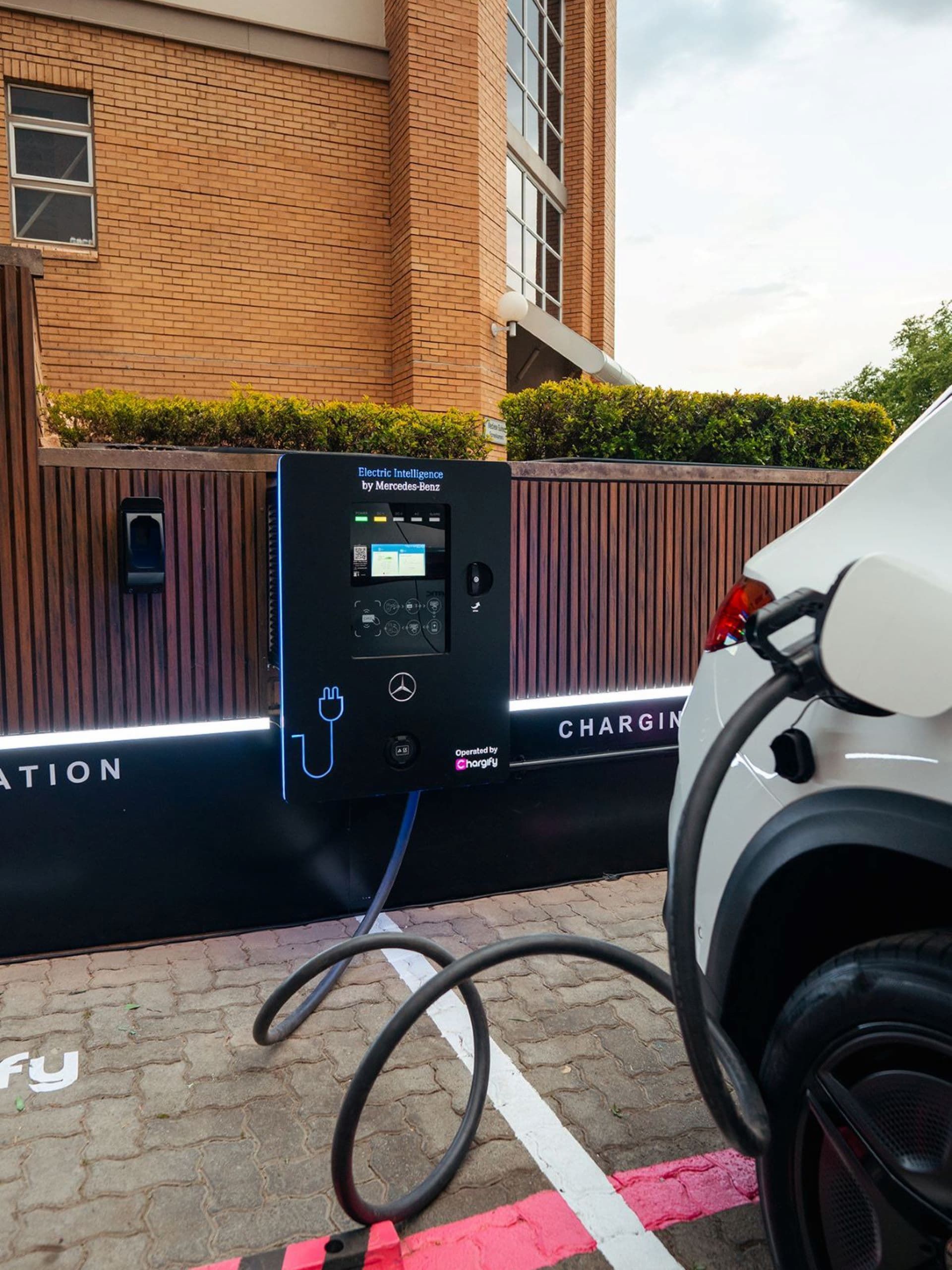
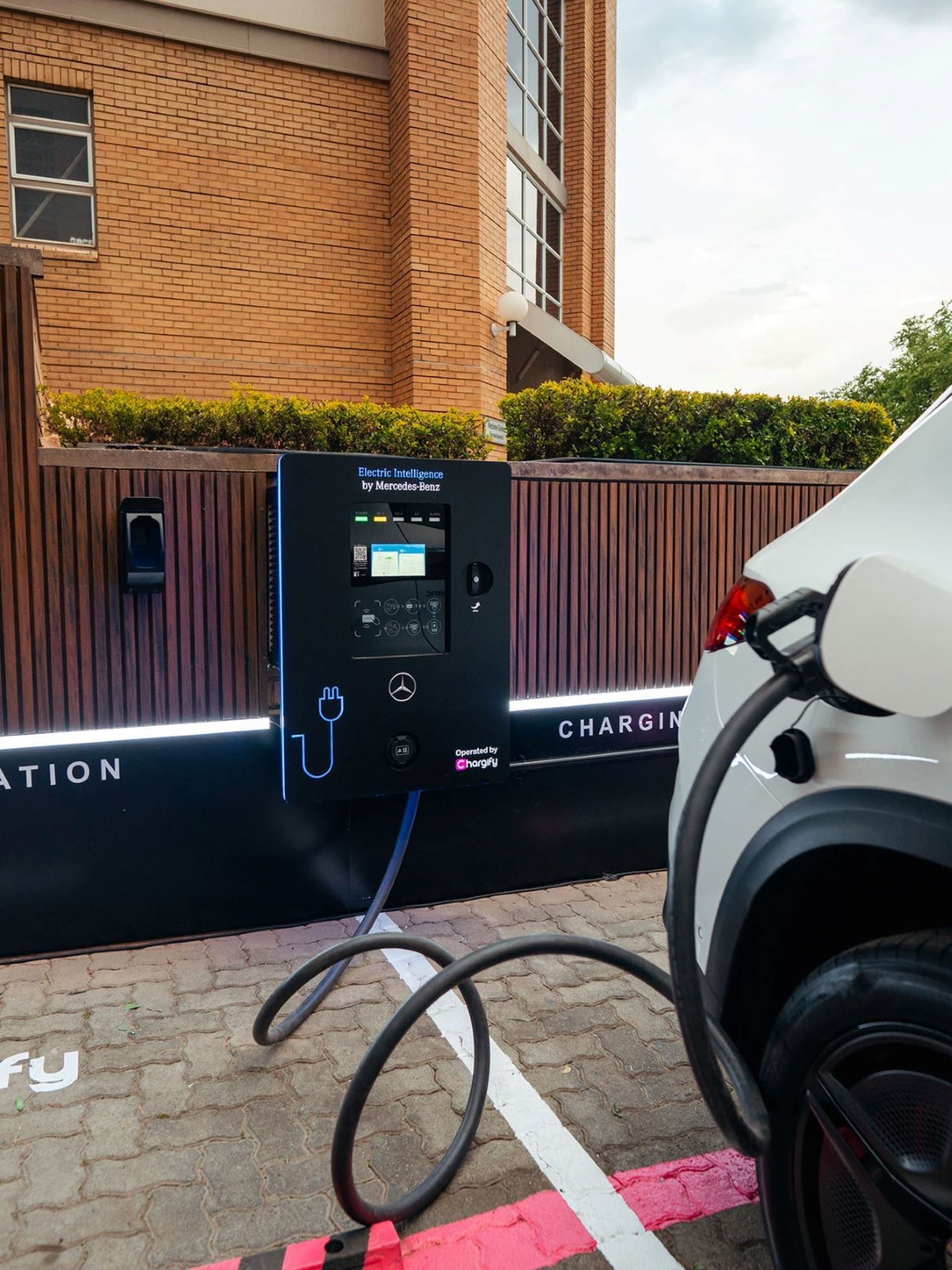
The country’s electric vehicle (EV) charging network, though modest by global standards, is expanding at a steady pace. There are now about 600 public charging stations, mostly concentrated in Gauteng, the Western Cape and KwaZulu-Natal. These chargers range from slow AC to ultra-fast DC types, with several operators building infrastructure ahead of mass EV adoption.
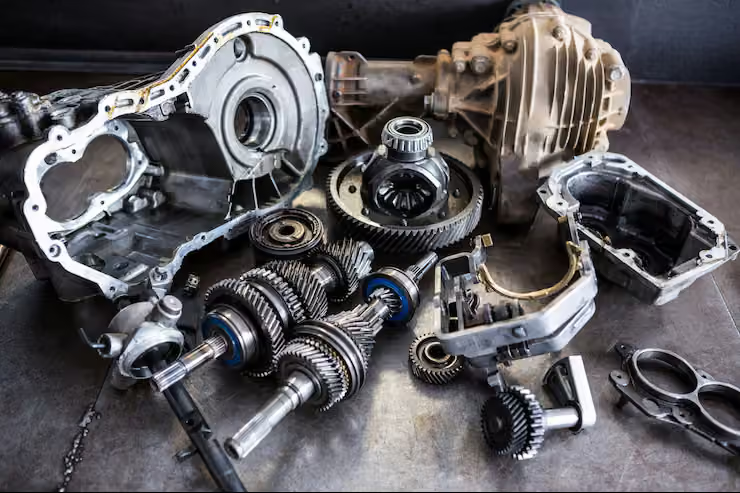
For workshops and service centres, this trend brings new prospects. Technicians will increasingly need skills in electrical diagnostics, high-voltage systems and battery health management. Independent garages may find opportunities in installing or maintaining home charging units, or even in setting up small-scale public chargers for customers.
GridCars remains South Africa’s largest operator, with a broad national footprint and manufacturer partnerships that extend its network along major routes. Rubicon and Chargify are also key players, while CHARGE, formerly Zero Carbon Charge, is leading with a renewable model. Its off-grid, solar-powered stations, like the Wolmaransstad site launched in 2024, could inspire repairers in smaller towns to consider hybrid or solar charging setups on their premises.
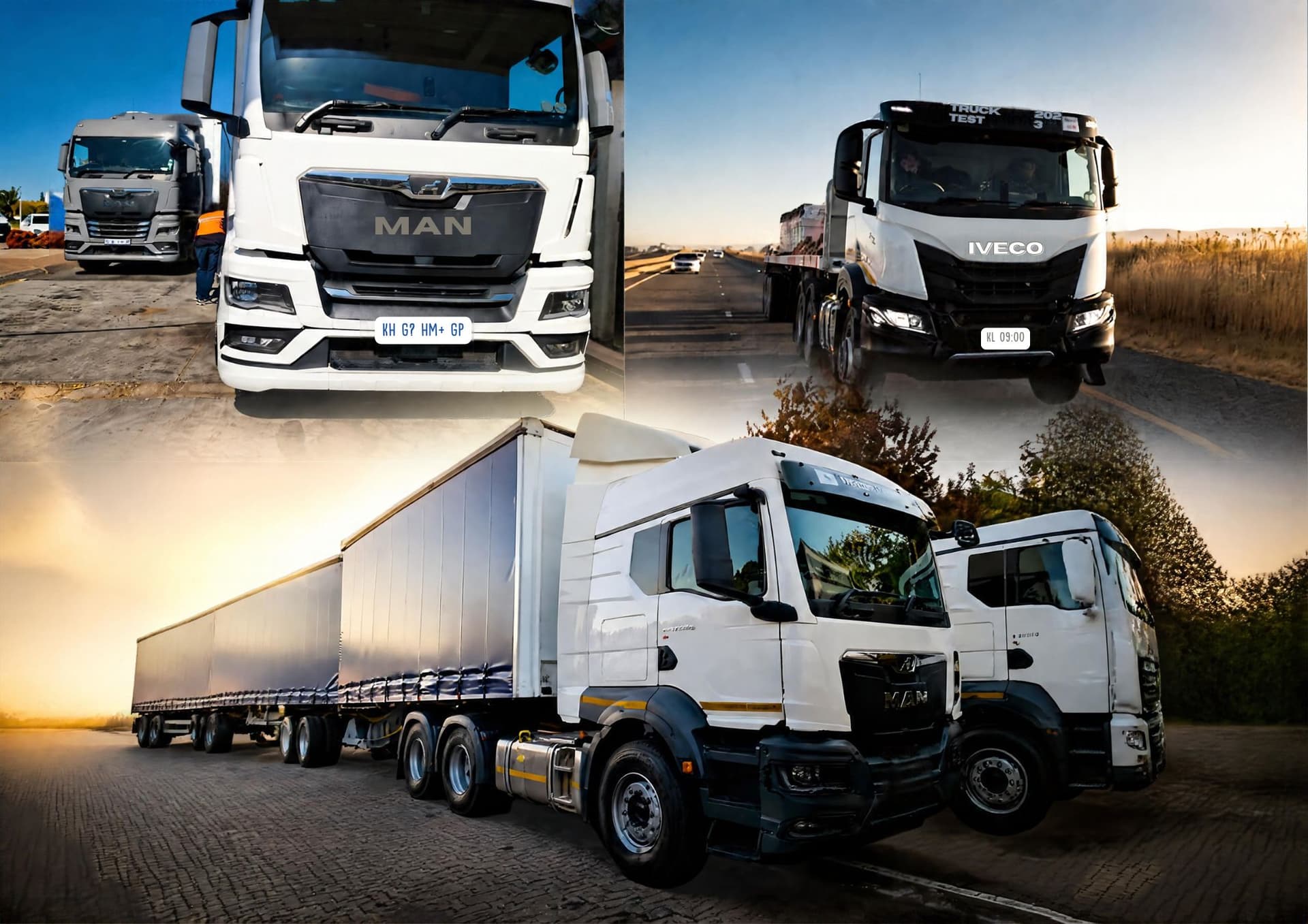
By 2026, CHARGE plans 240 stations for both passenger vehicles and trucks, powered independently from Eskom. Such developments may drive demand for technicians capable of handling solar integration and high-capacity battery systems.
As South Africa builds its electric backbone, the repair sector’s evolution will be just as vital as the rollout of chargers themselves. Those who invest in training, partnerships and renewable readiness today are likely to power the next generation of automotive service tomorrow.